A journal of IEEE and CAA , publishes high-quality papers in English on original theoretical/experimental research and development in all areas of automation

Current Issue

Vol. 13,  No. 7, 2026

Display Method:
PERSPECTIVE
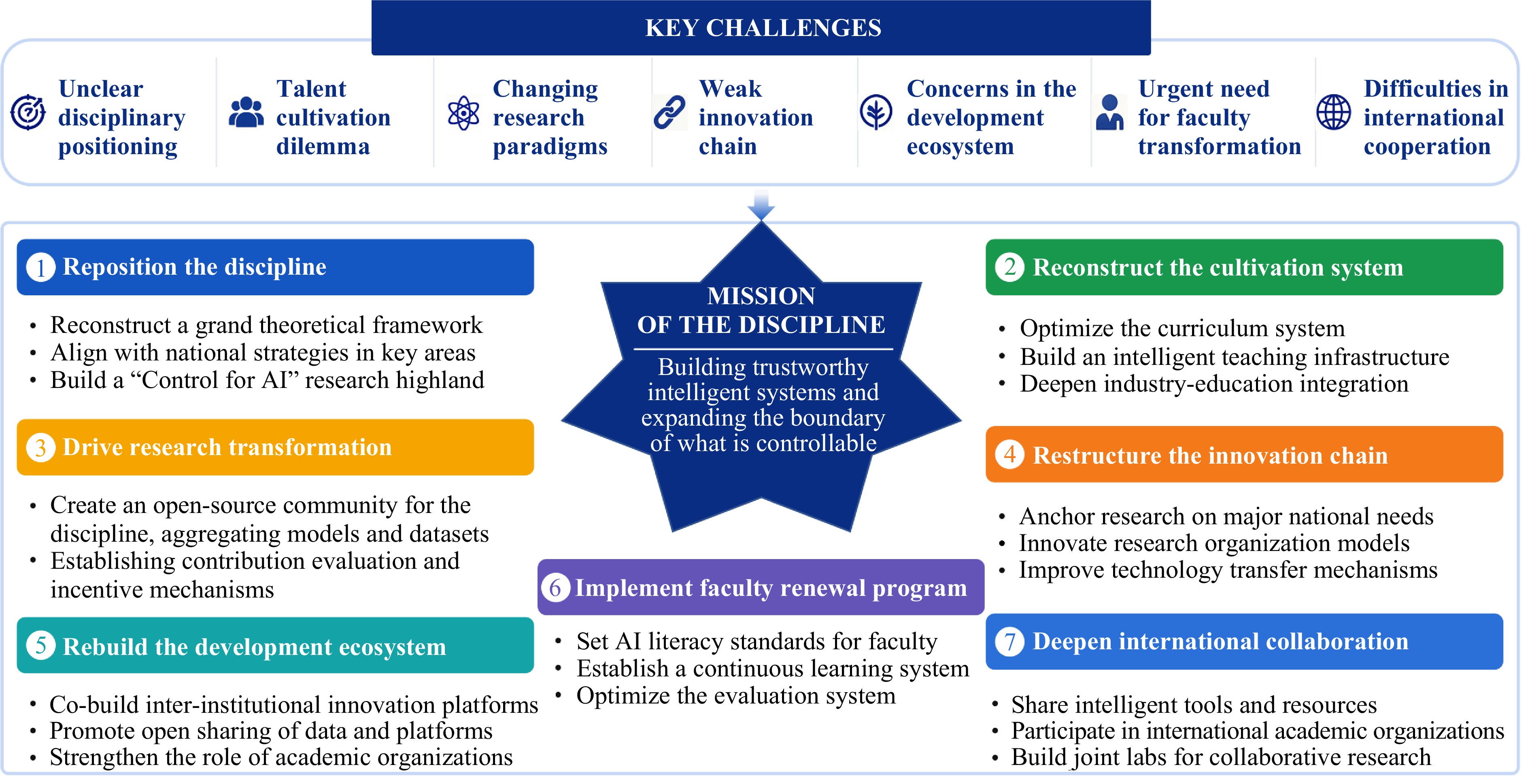
The Discipline of Control Science and Engineering in the Intelligent Era: Challenges, Paradigm Transformation, and Future Directions
Chenghui Zhang
2026, 13(7): 1533-1535. doi: 10.1109/JAS.2026.126254
Abstract(26) HTML (10) PDF(3)
Abstract:
REVIEW
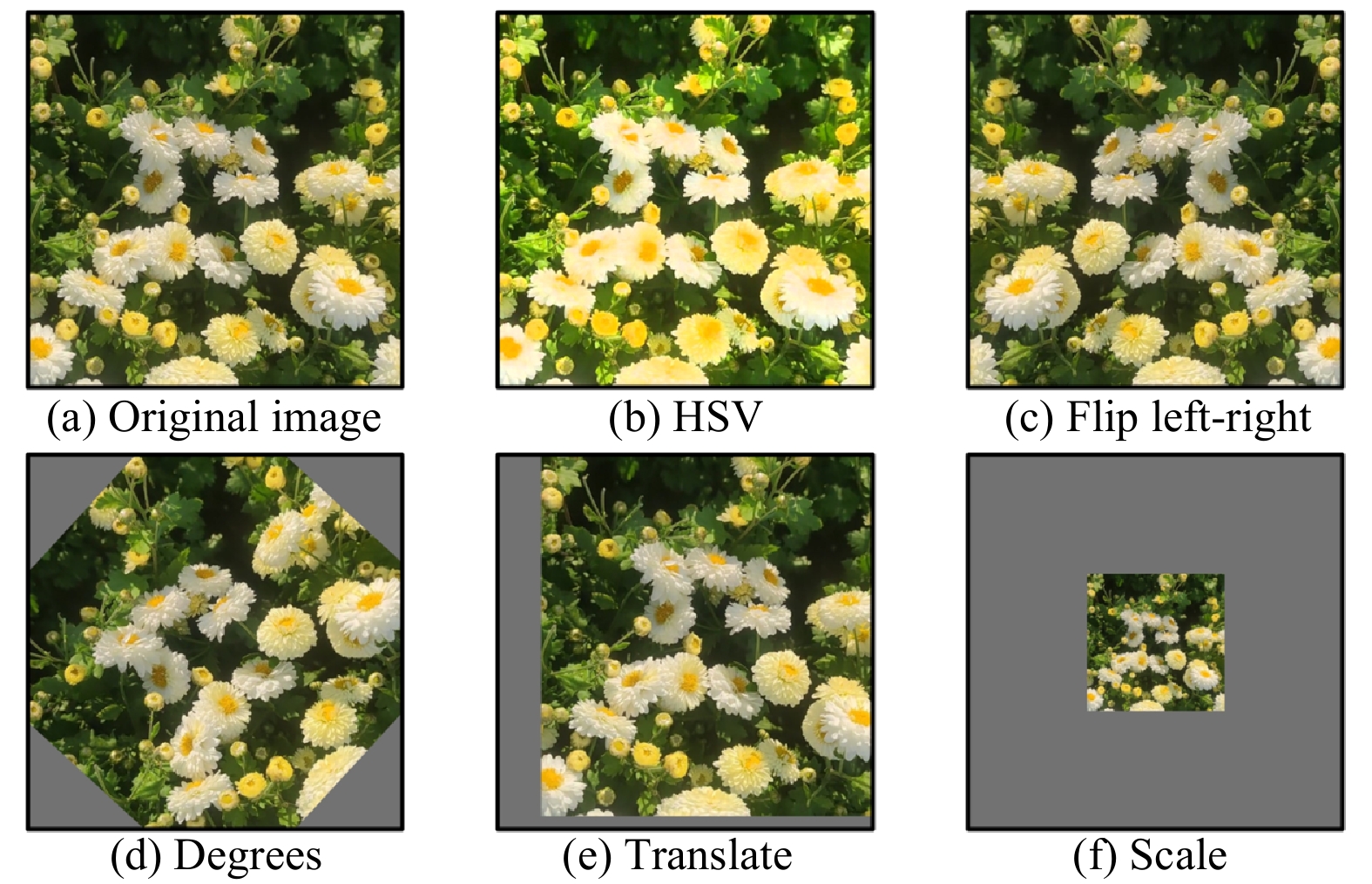
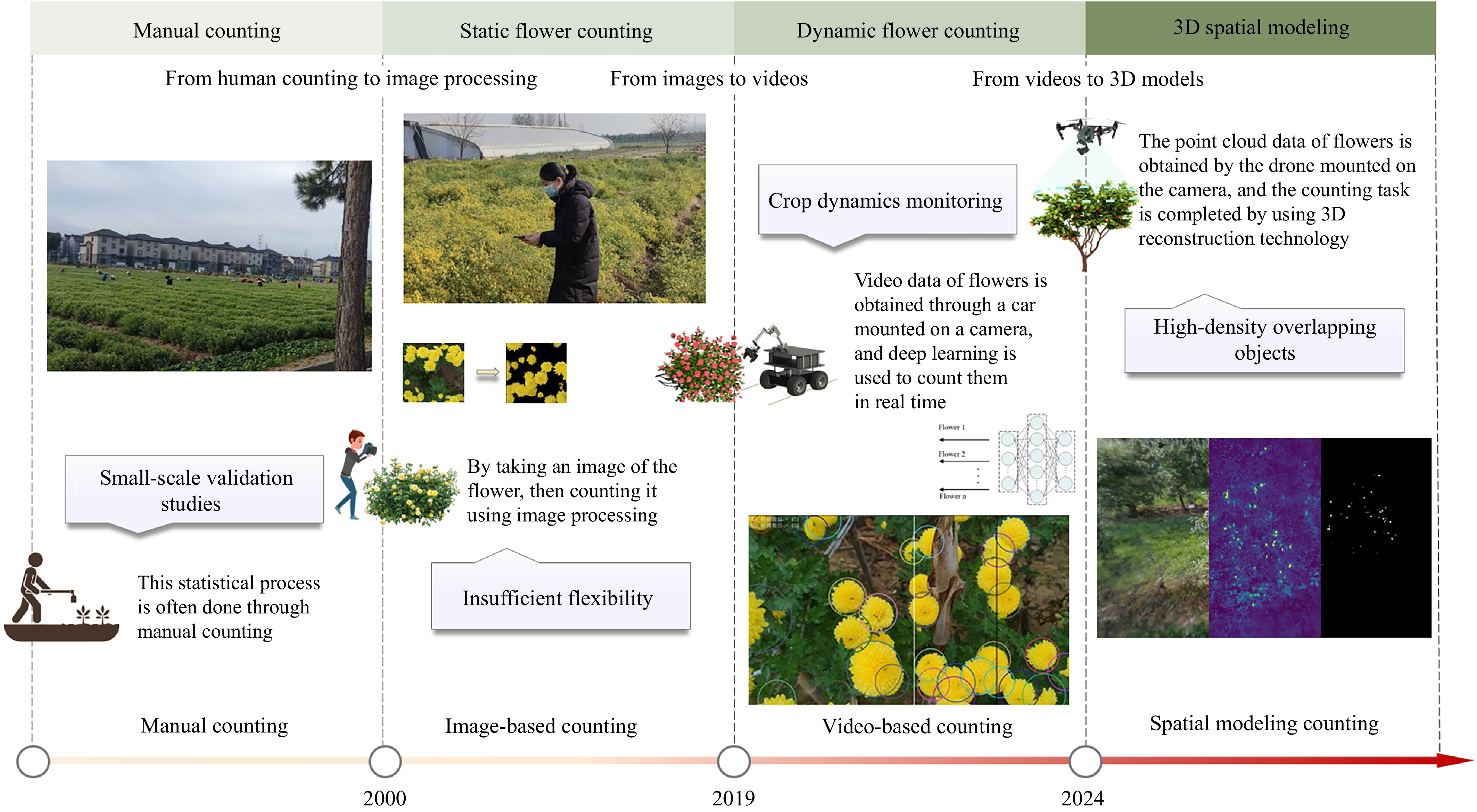
Visual-Based Flower Counting: Techniques and Applications
Siyang Zang, Lei Shu, Ru Han, Xing Yang, Grzegorz Cielniak, Feiya Zhang
2026, 13(7): 1536-1557. doi: 10.1109/JAS.2026.126050
Abstract(32) HTML (12) PDF(4)
Abstract:
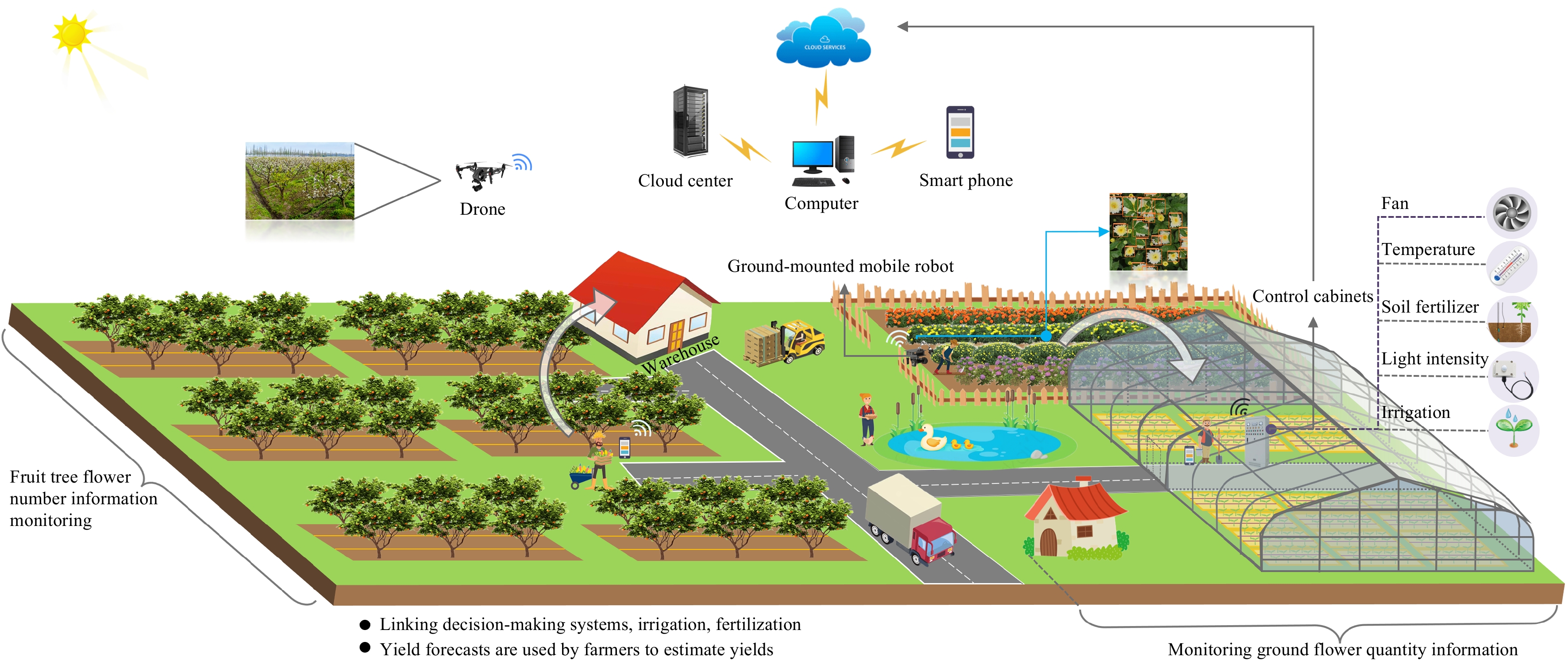
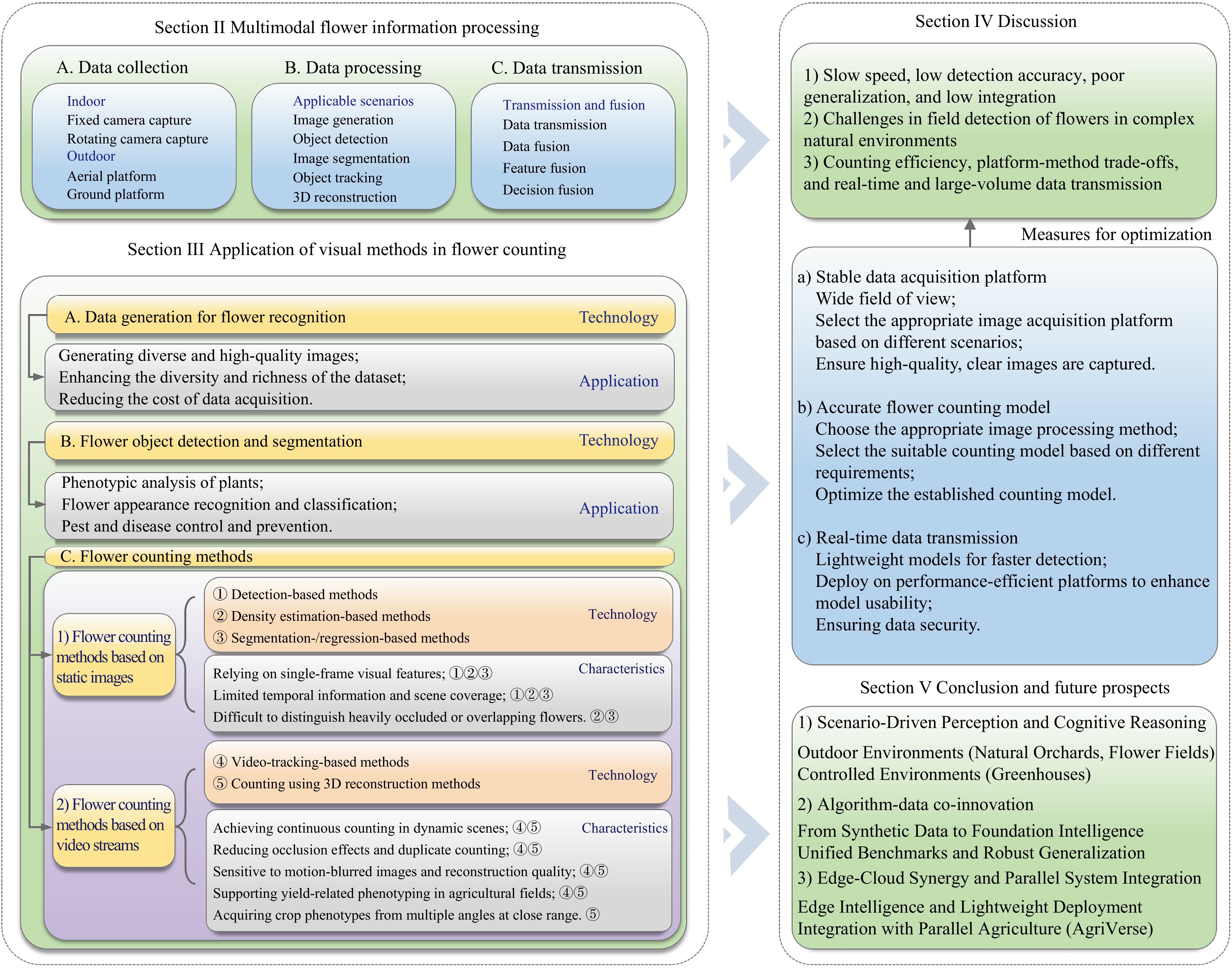
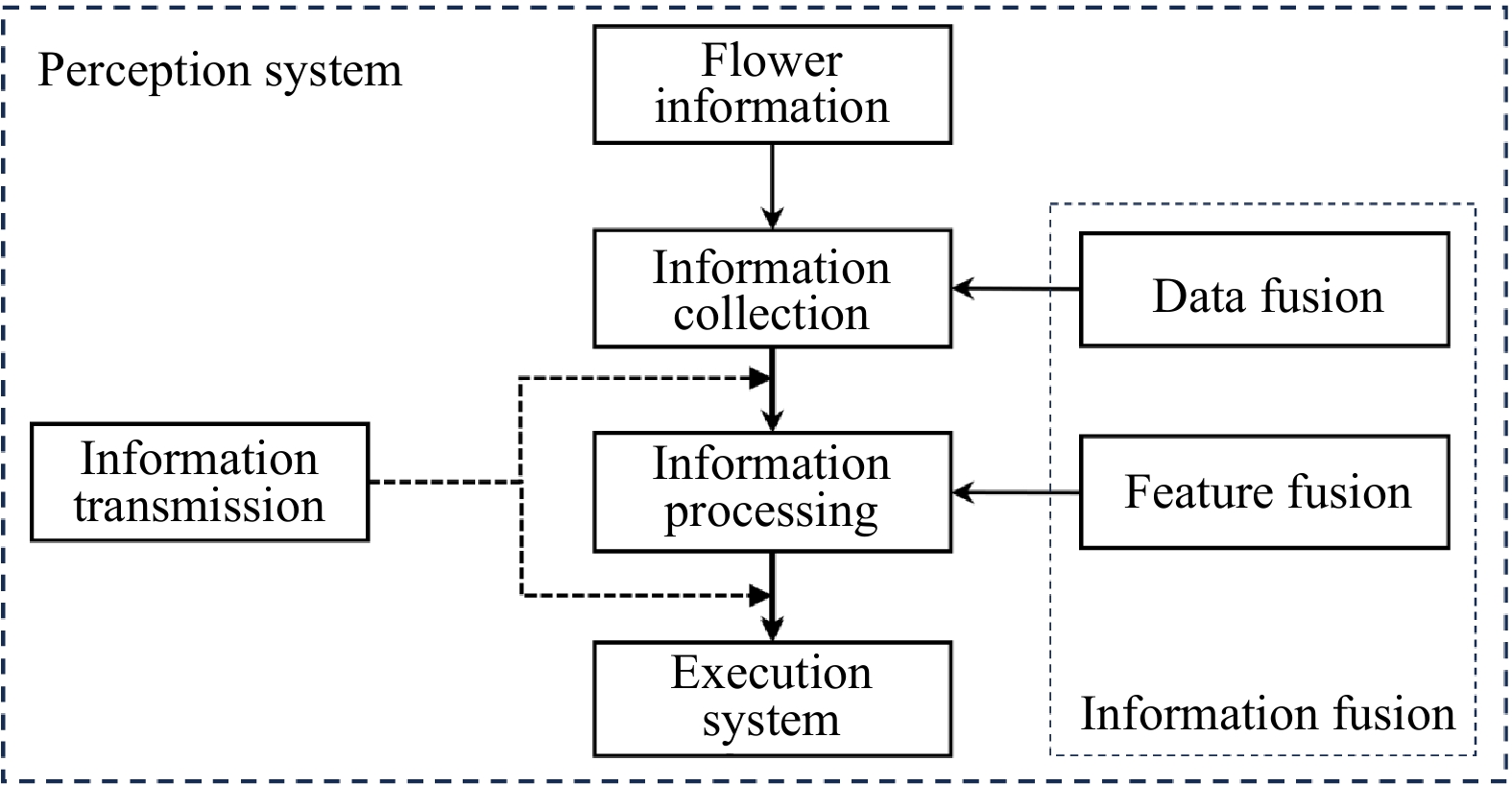
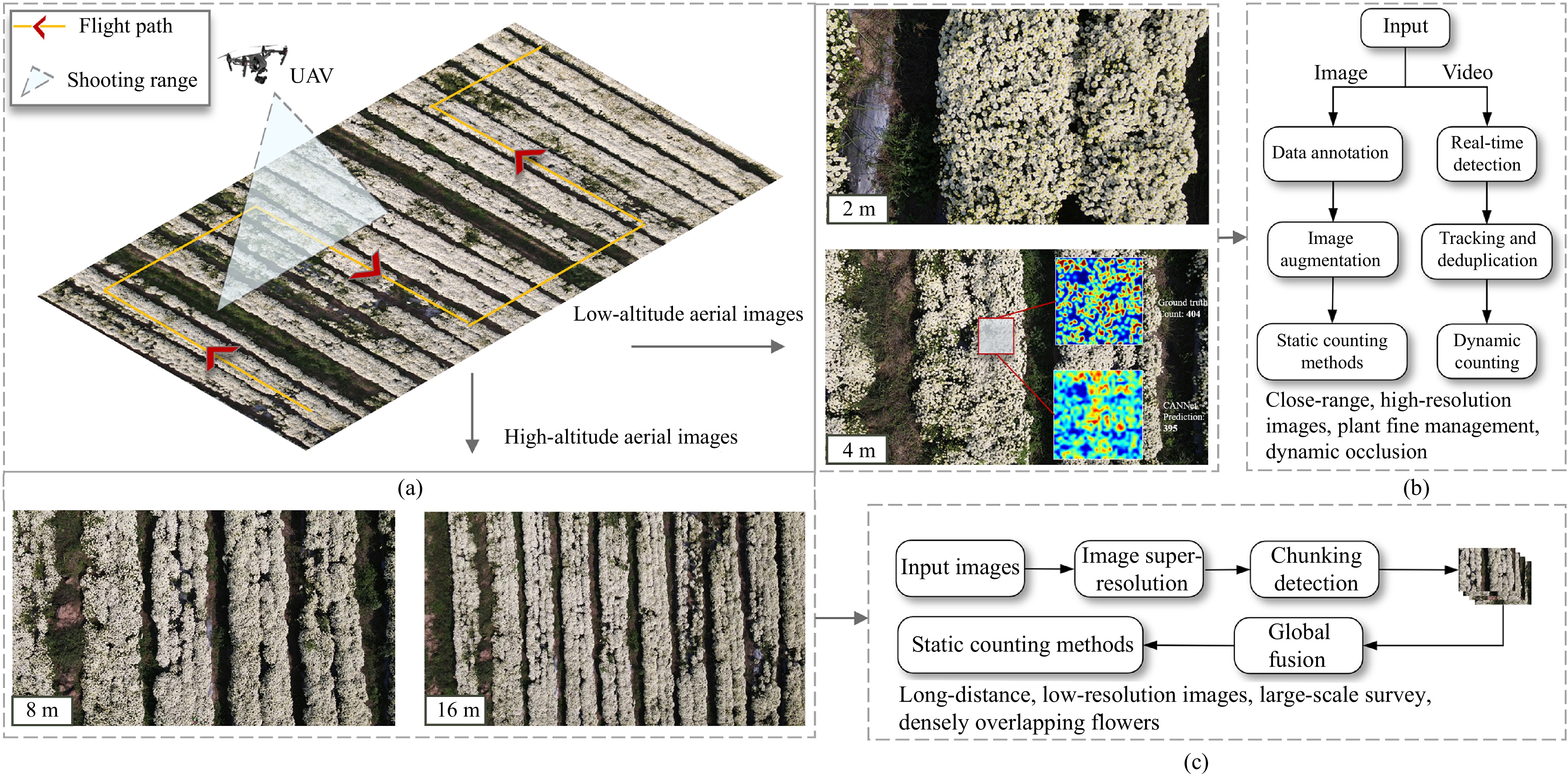
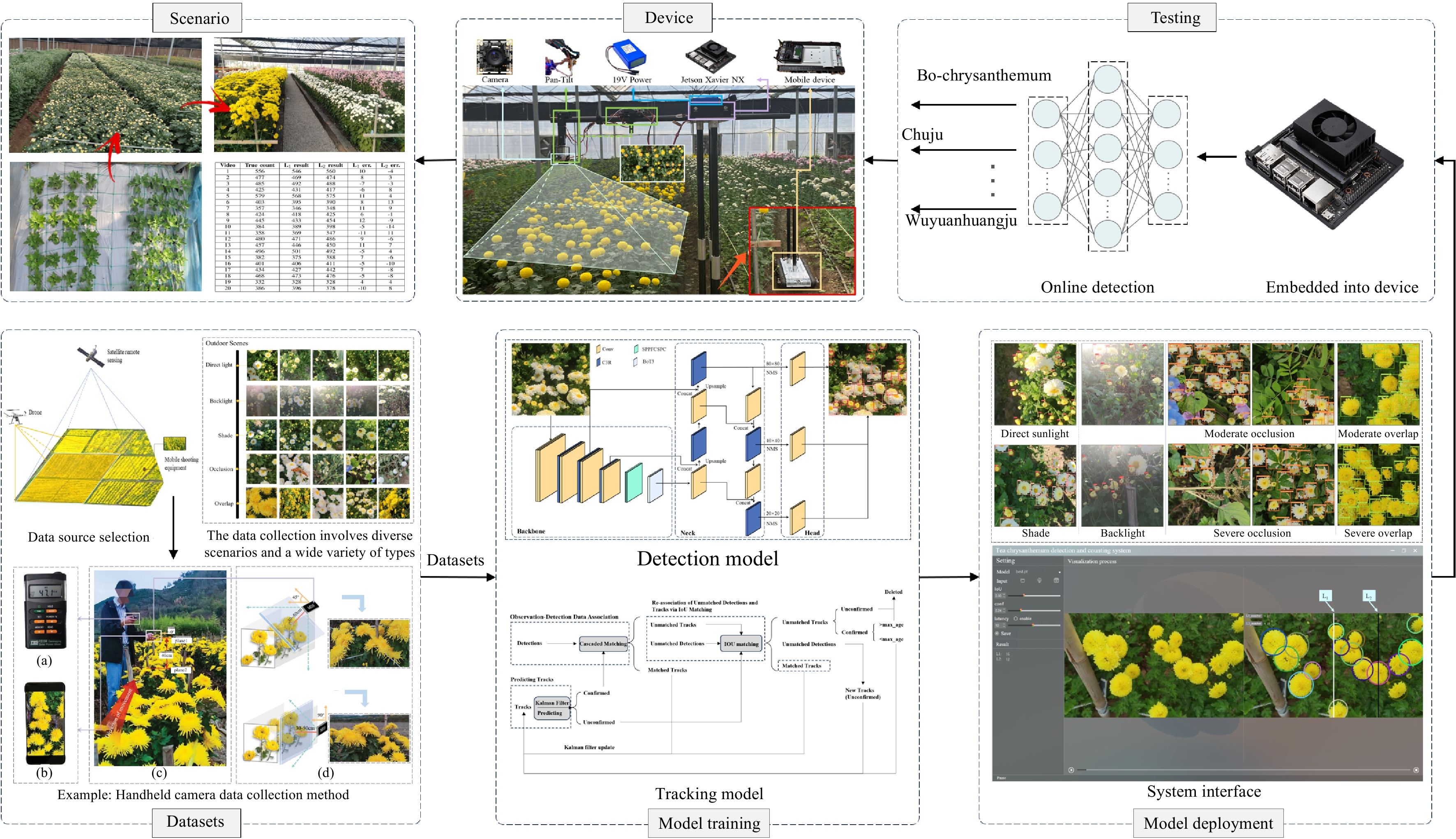
With the rapid integration of modern information technologies into agriculture, smart agriculture enables increasingly precise phenotyping and yield prediction. Flower counting is a key phenological indicator; however, achieving high precision remains a significant challenge due to severe occlusion, density variations, and environmental variability (e.g., lighting/weather). Moreover, existing studies remain fragmented without a comprehensive synthesis. To bridge this fundamental research gap, we present the first systematic survey of computer-vision-based flower counting. In this work, we propose a novel taxonomy that categorizes methods into static (single-image) and dynamic (video/multi-view) paradigms and elucidates their evolutionary trajectory. Unlike conventional reviews, we conduct a multi-scale evaluation encompassing both horizontal (methodological evolution from traditional to deep learning) and vertical (cross-species and scene-condition) performance analyses. Crucially, we validate representative algorithms on deployed platforms—UAV and ground robots—through engineering case studies that quantify real-world trade-offs (e.g., height-accuracy and latency-robustness). Finally, we discuss prevailing limitations and propose future directions, including graph-based reasoning and AgriVerse integration (i.e., agriculture-centric metaverse or digital twin ecosystems), establishing a foundational framework for both academic research and industrial deployment.
PAPERS
Proportional-Integral Observer Design for Multi-Rate Systems Under Decode-and-Forward Relays: Tackling Power-Dependent Packet Dropouts
Di Zhao, Zidong Wang, Derui Ding, Qing-Long Han, Guoliang Wei
2026, 13(7): 1558-1571. doi: 10.1109/JAS.2025.125216
Abstract(24) HTML (12) PDF(8)
Abstract:
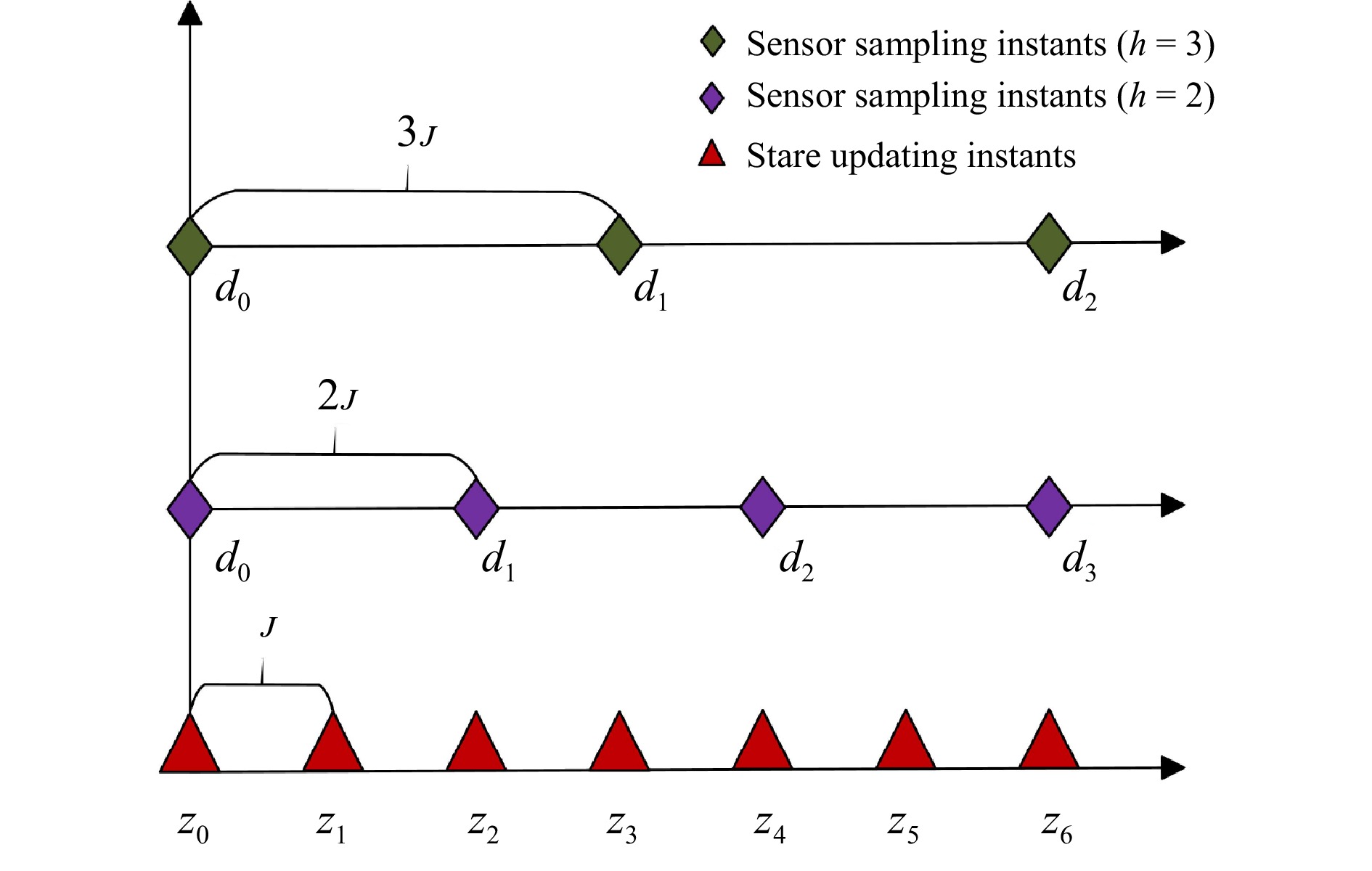
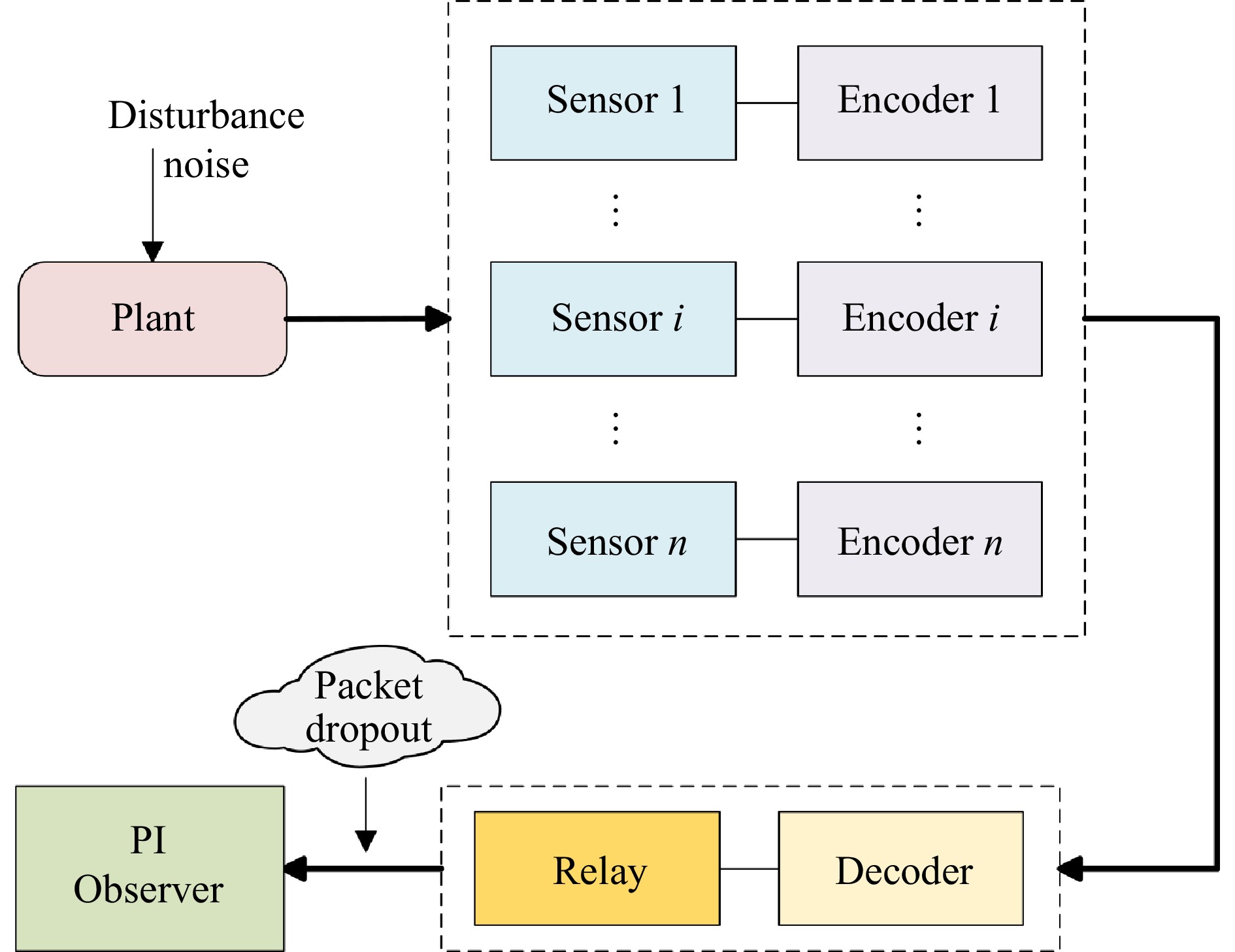
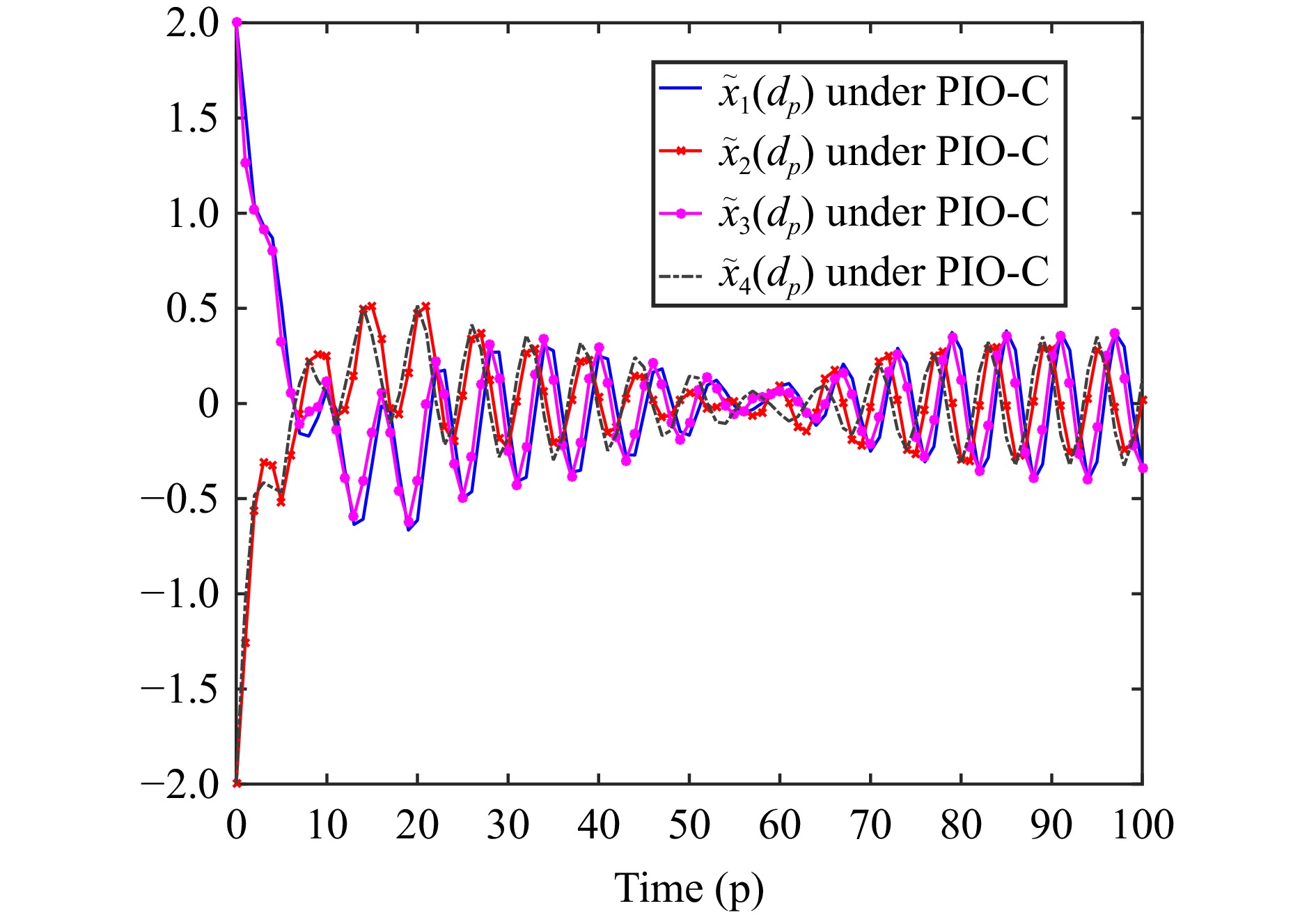
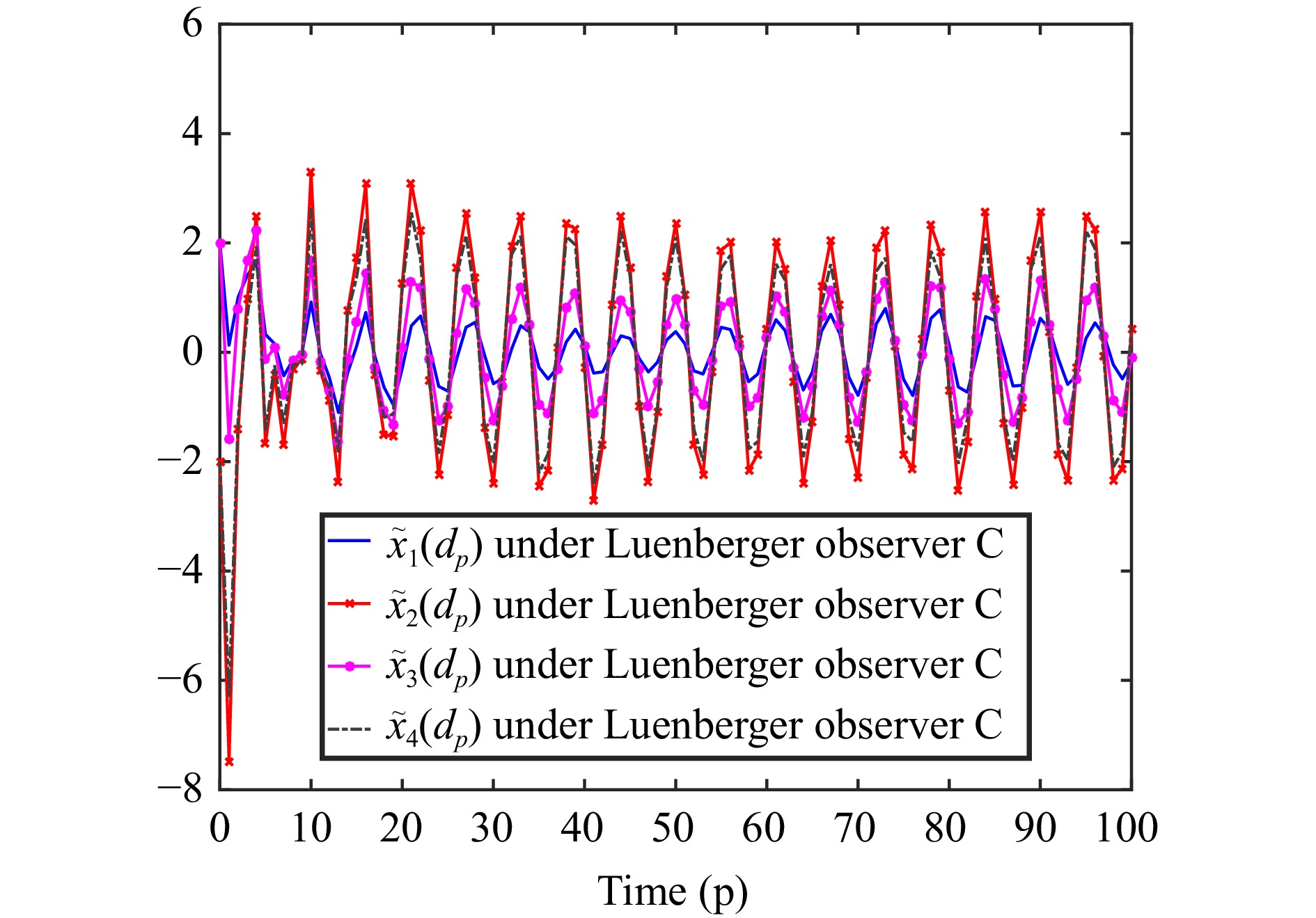
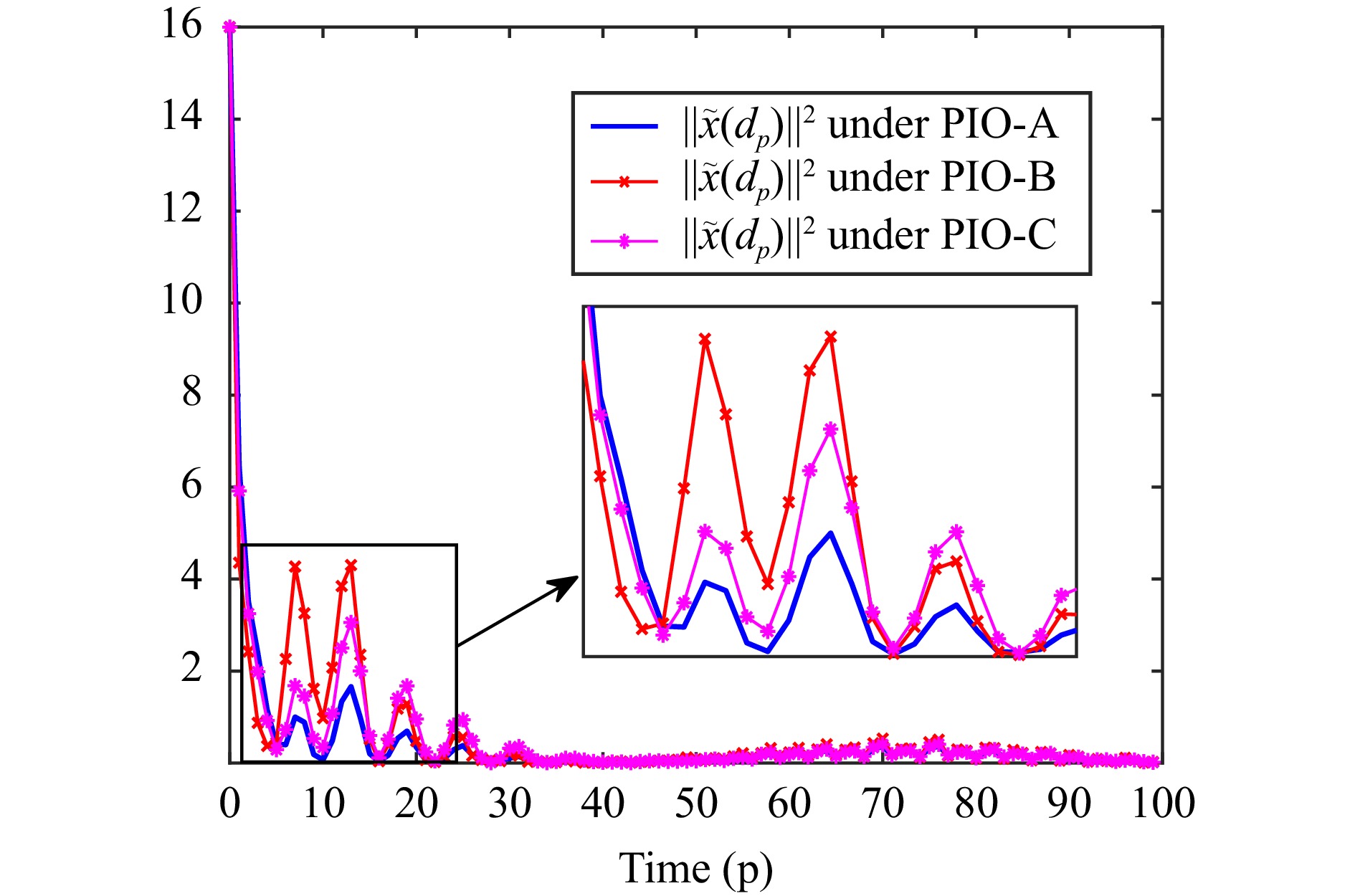
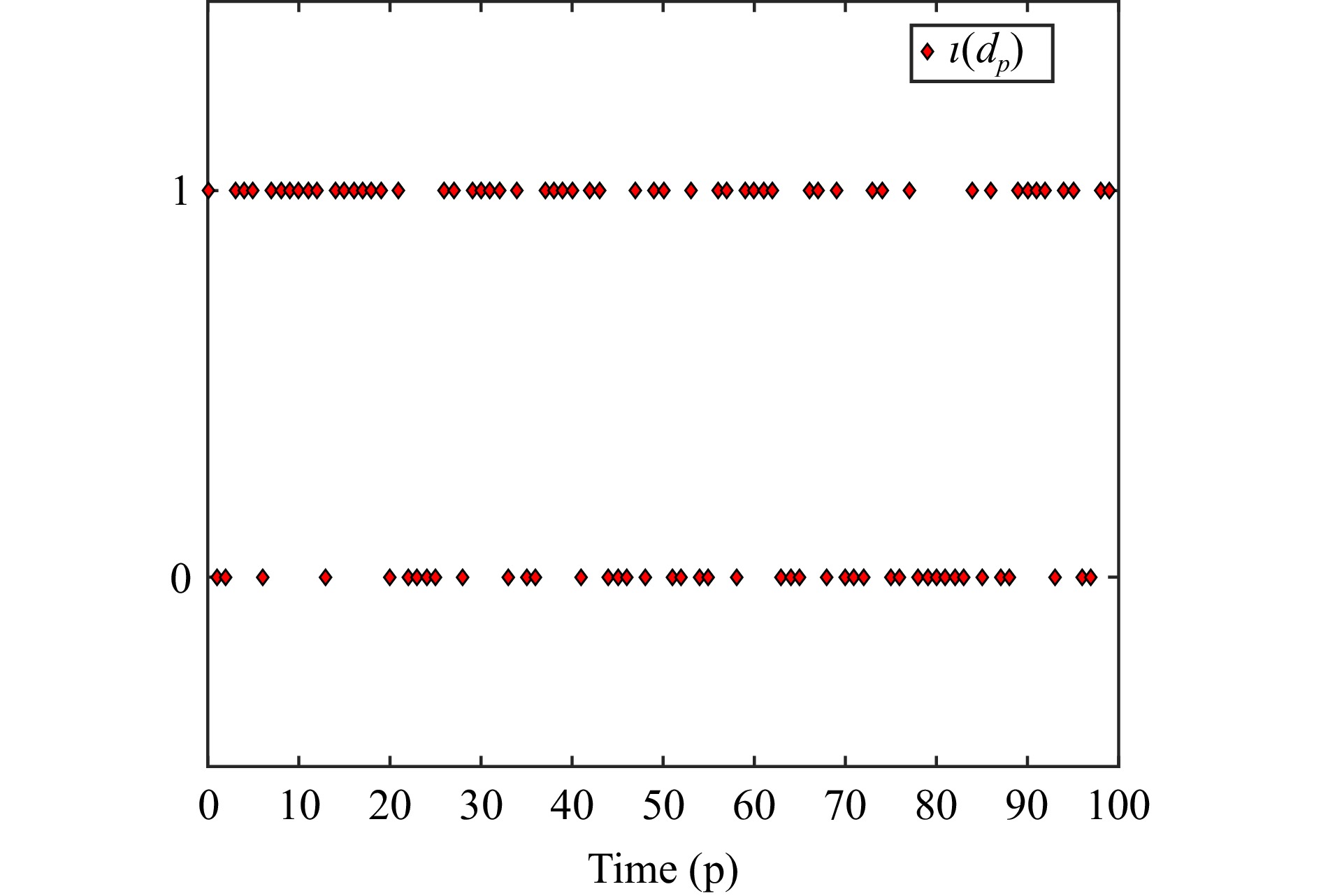
In this paper, the problem of proportional-integral observer (PIO) design is investigated for a class of discrete-time multi-rate systems with multiple sensors, with the sensor sampling periods being allowed to differ from the system updating periods. The facilitation of communication between sensors and the remote PIO through wireless networks, which are subject to probabilistic packet dropouts, is achieved through the utilization of a decode-and-forward relay-based strategy. The occurrence of packet dropouts is governed by a Bernoulli-distributed random variable whose probability is dependent on the available transmission power. A decode-and-forward relay-based strategy, developed based on different components, is capable of processing information from different encoders at different physical locations. For the convenience of observer design, the lifting technique is employed with aim to cast the multi-rate system into a single-rate one. By establishing sufficient conditions, the combined effect of external noises and relaying-aided communication on estimation performance is intuitively illustrated. Subsequently, a PIO with an adjustable parameter is designed by solving certain optimization problems. A simulation example is finally provided to validate the theoretical results.
Admissible Heuristic Design for Optimally Scheduling Resource Allocation Systems With Generalized Timed Petri Nets
Yuanzheng Xiao, Yangqing Gao, Haoran Wu, Bo Huang
2026, 13(7): 1572-1583. doi: 10.1109/JAS.2025.125777
Abstract(23) HTML (16) PDF(5)
Abstract:
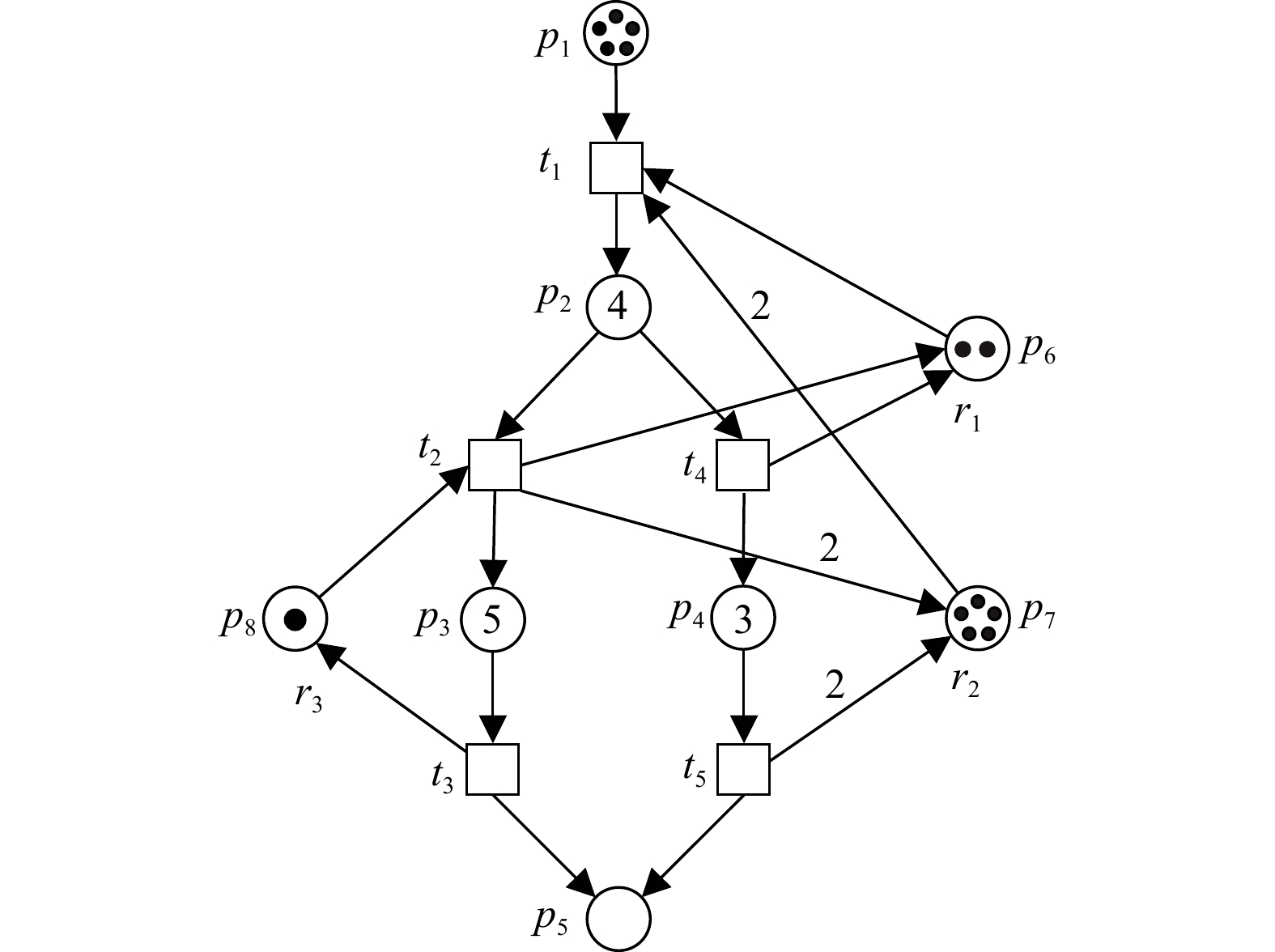
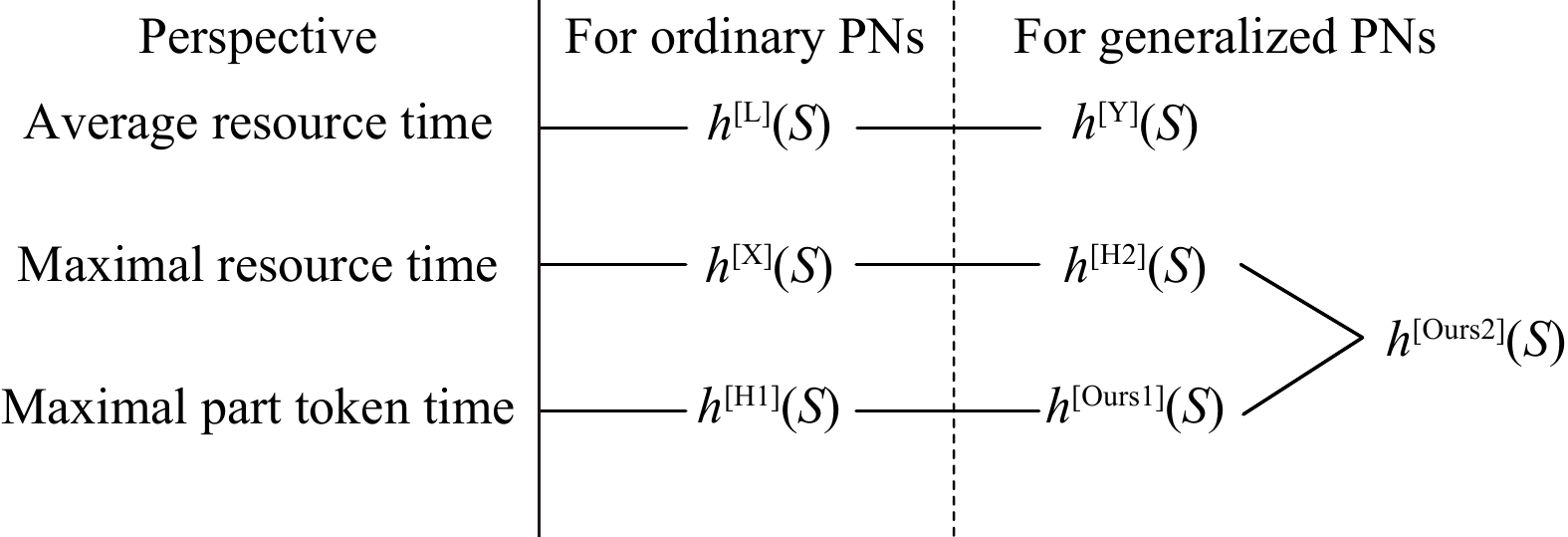
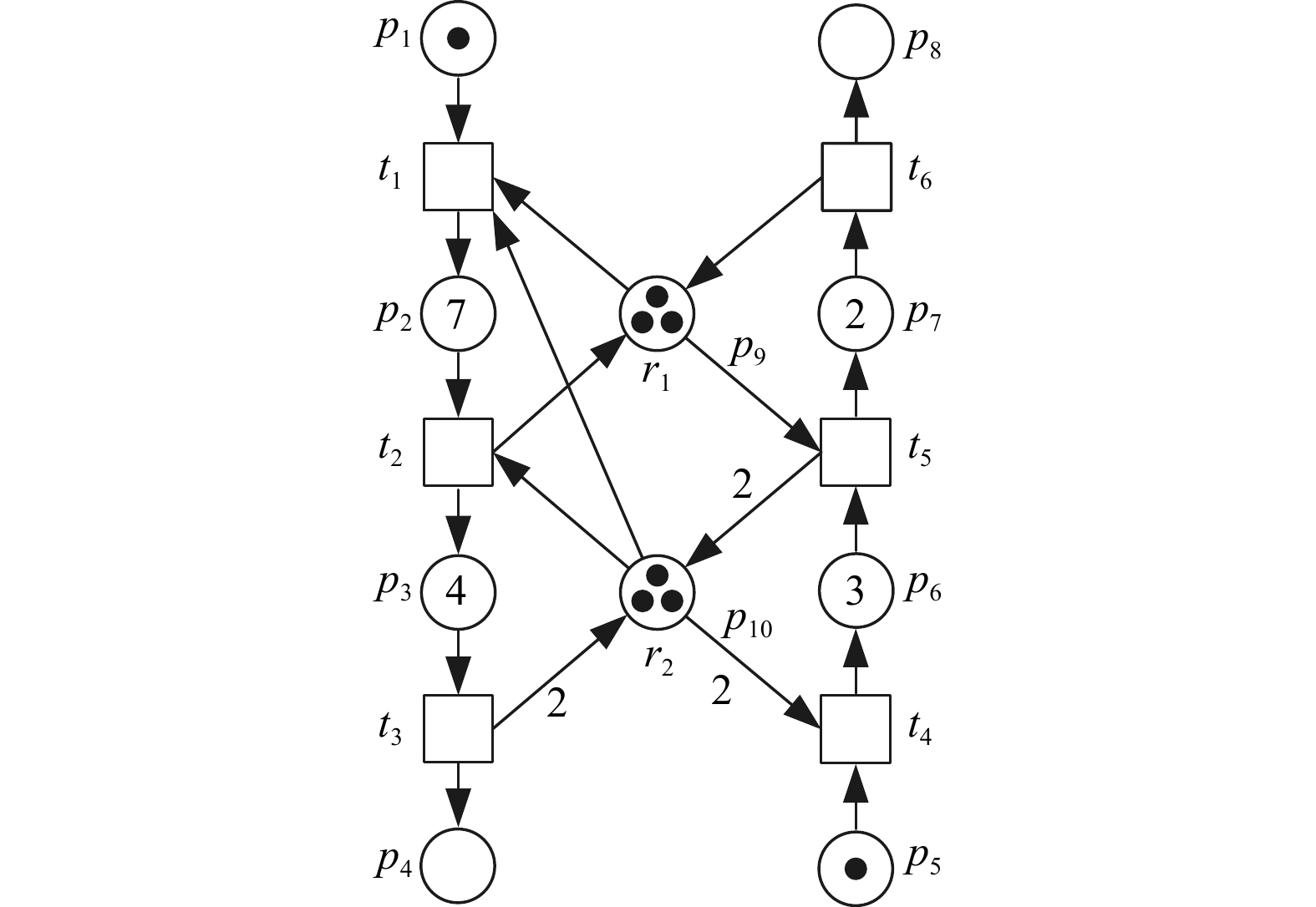
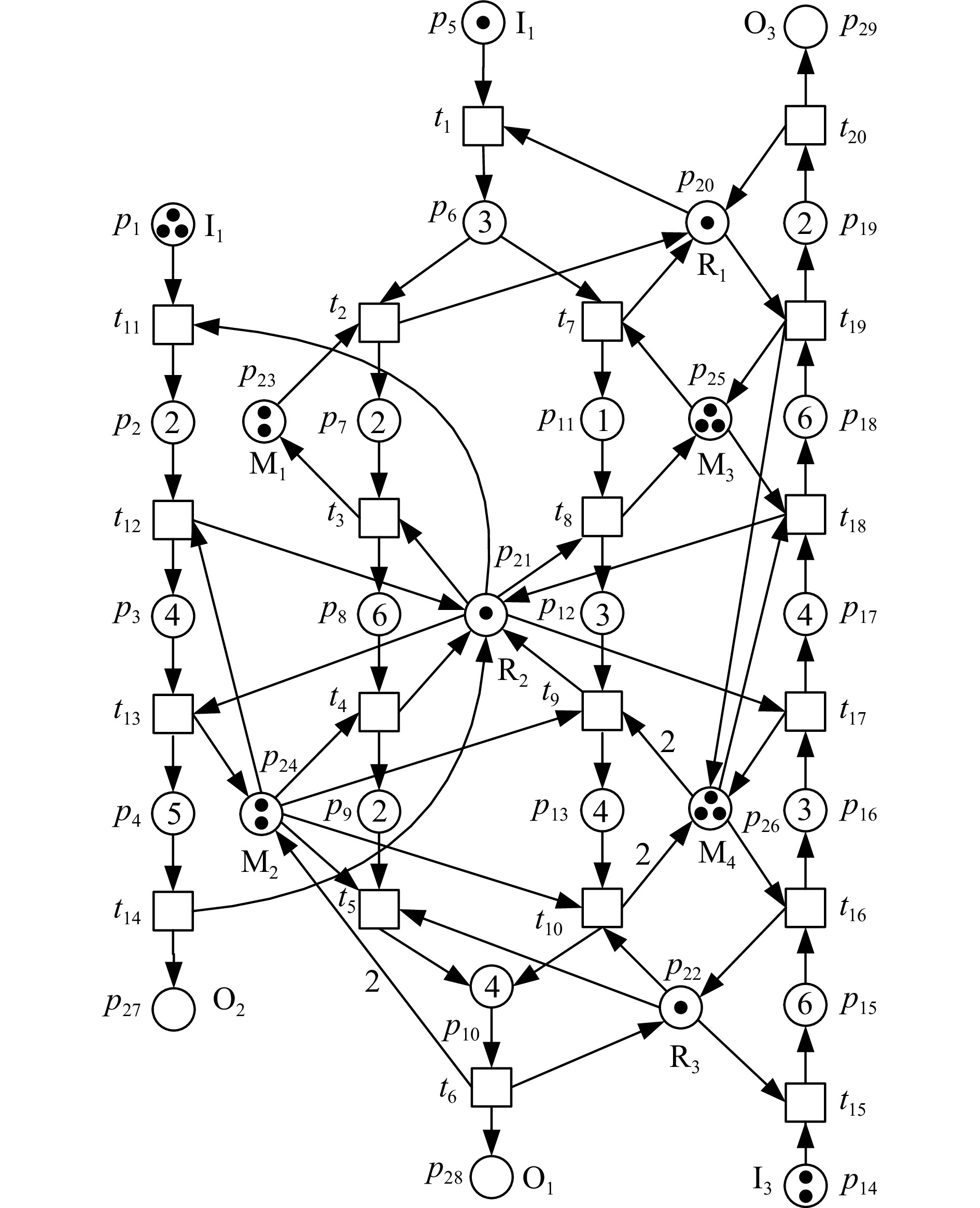
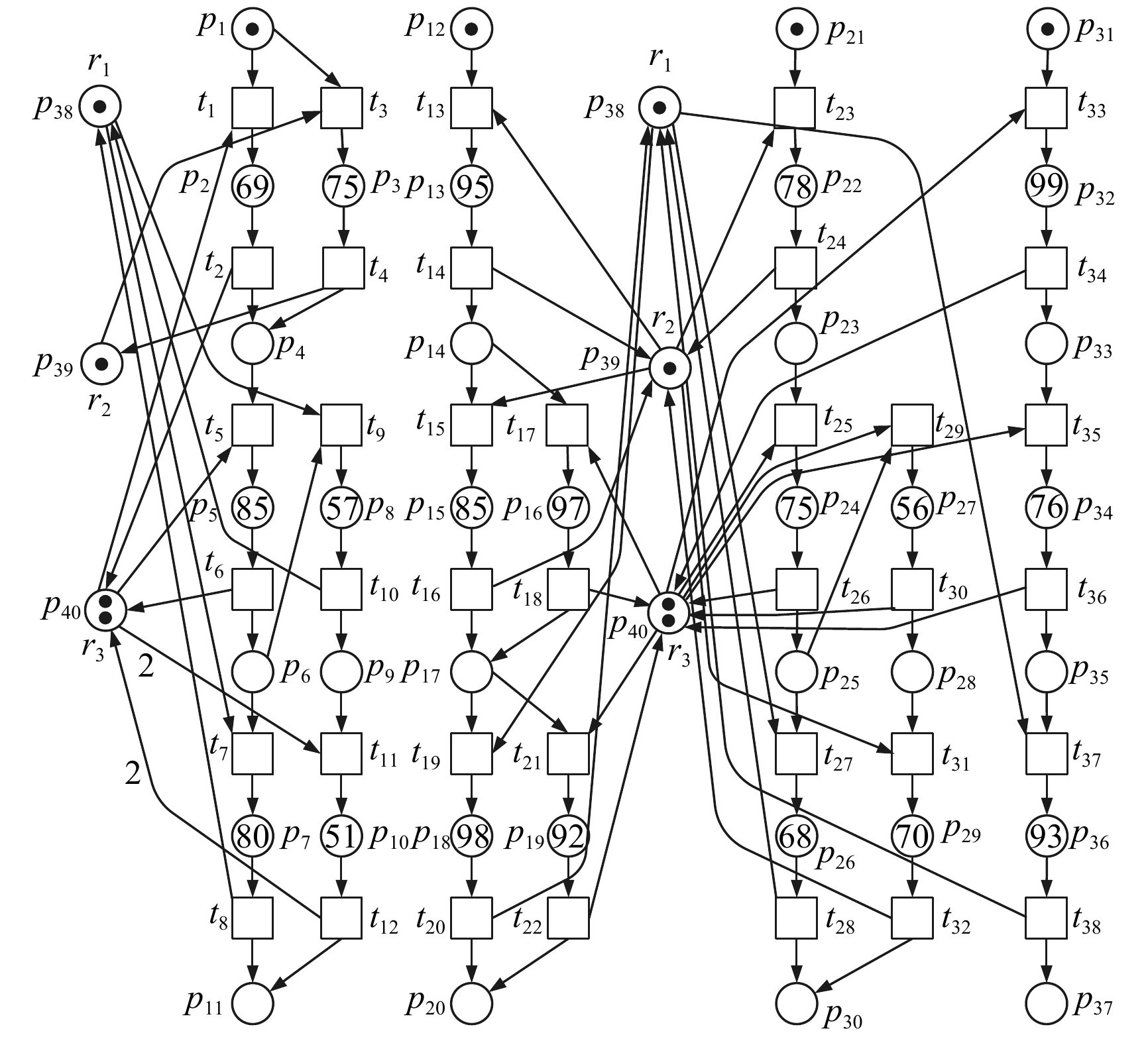
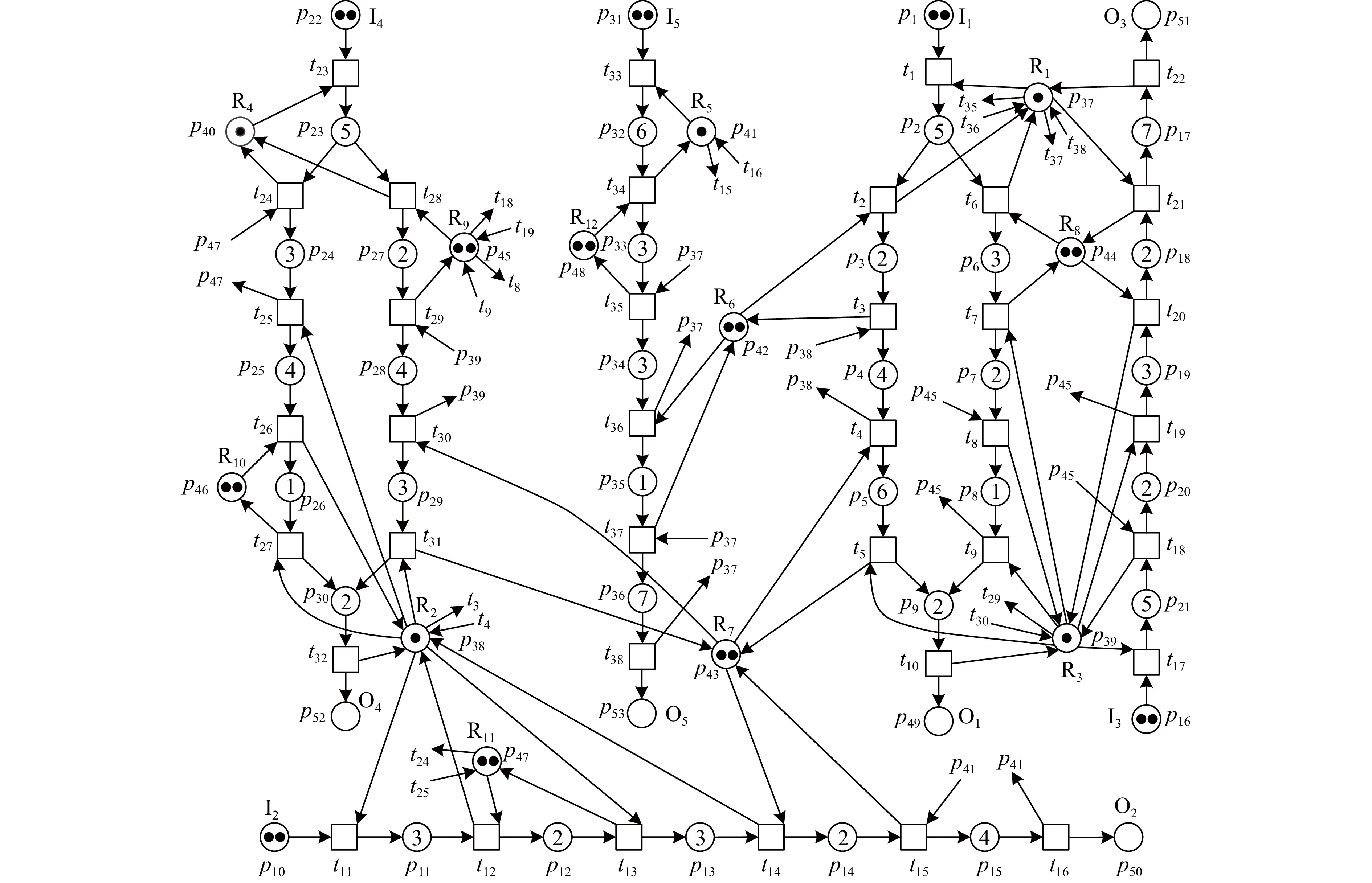
The heuristic function in Petri-net-based A* search directly influences both the search efficiency and solution quality for scheduling resource allocation systems (RASs). In the literature, some heuristic functions have been proposed, but most of them fail to consider key aspects such as token remaining time, alternative routes, weighted arcs, multiple resource copies, and batch processing ability, which are common in the place-timed Petri nets (PNs) for RASs. This paper proposes two novel heuristic functions. Both are admissible, guaranteeing the optimality of the obtained schedules. In addition, they are designed not only for ordinary PNs but also for generalized ones, which may have arc weights greater than one. They can effectively handle RAS PNs with alternative routes, weighted arcs, multiple resource copies, and batch processing capability. Most importantly, the new heuristics, especially the second one, are highly informed, leading to faster searches for optimal schedules compared to existing heuristics for generalized PNs. Experiments on several benchmark PNs of RASs have been conducted to demonstrate the effectiveness and efficiency of our methods.
A Two-Step Iterative Local Search for the Harvester Scheduling Problem With Splittable Workloads
Hongyu Lin, Jing Liang, Bo Jin, Caitong Yue, Yaonan Wang
2026, 13(7): 1584-1599. doi: 10.1109/JAS.2025.125768
Abstract(37) HTML (16) PDF(4)
Abstract:
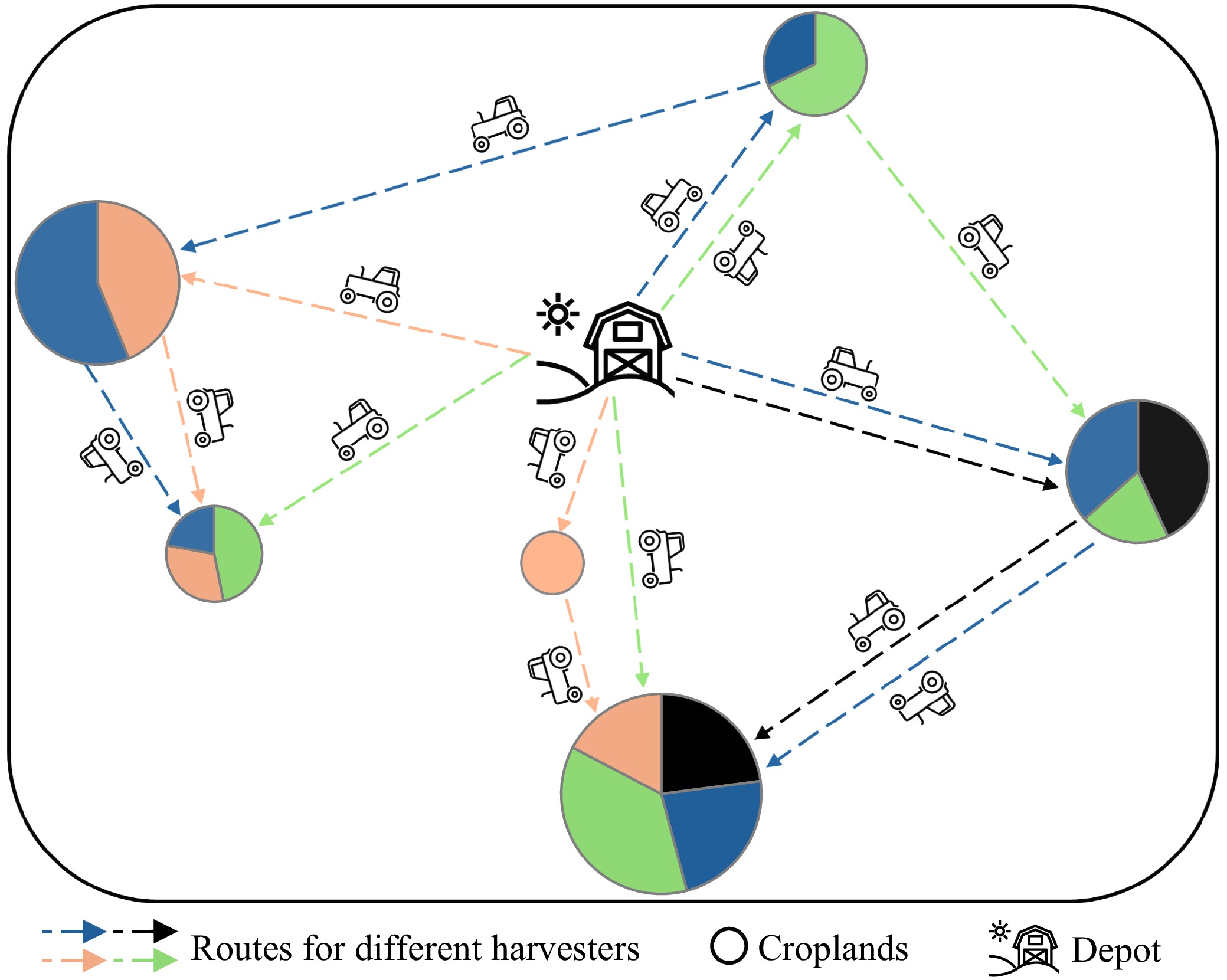
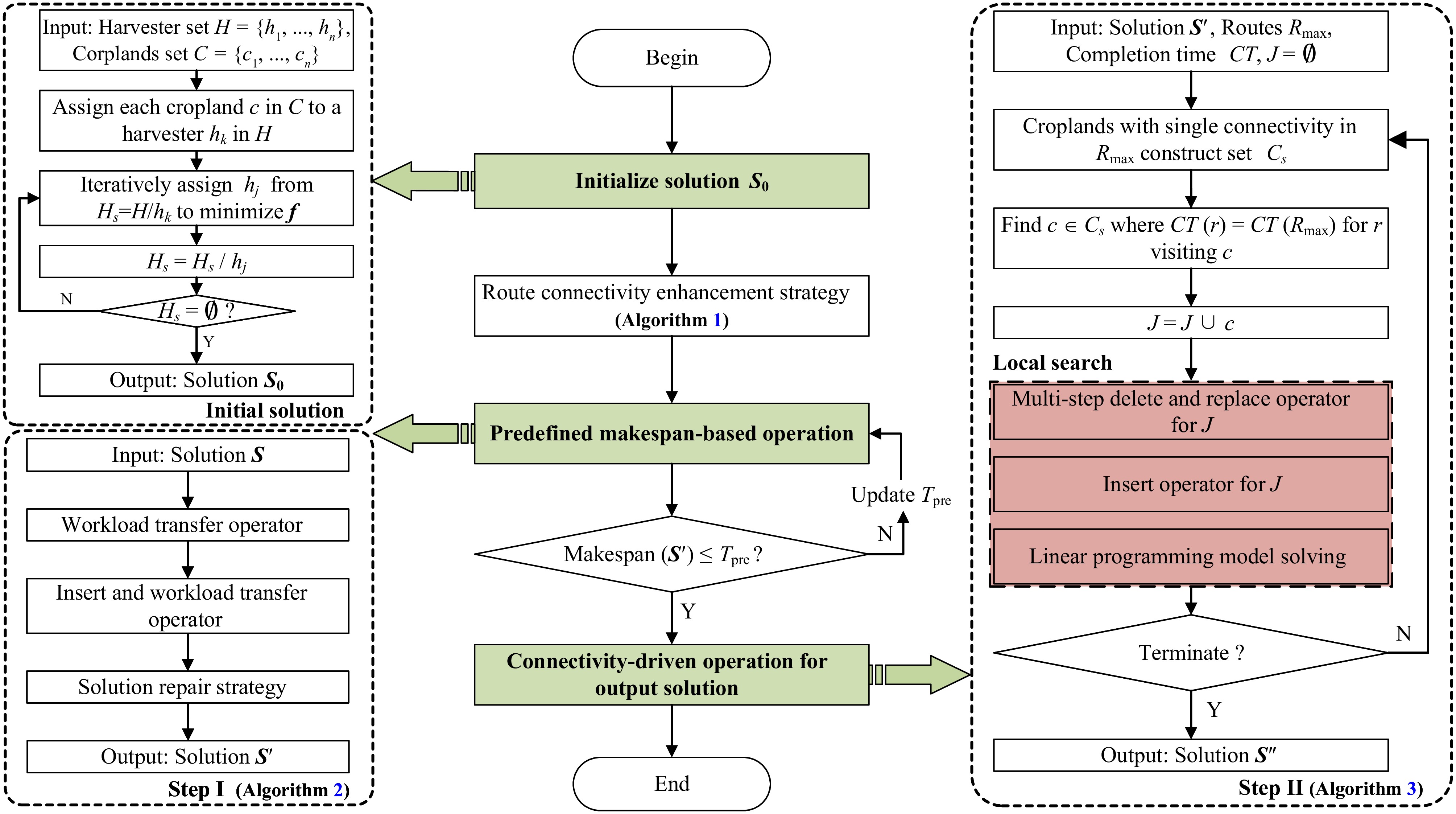
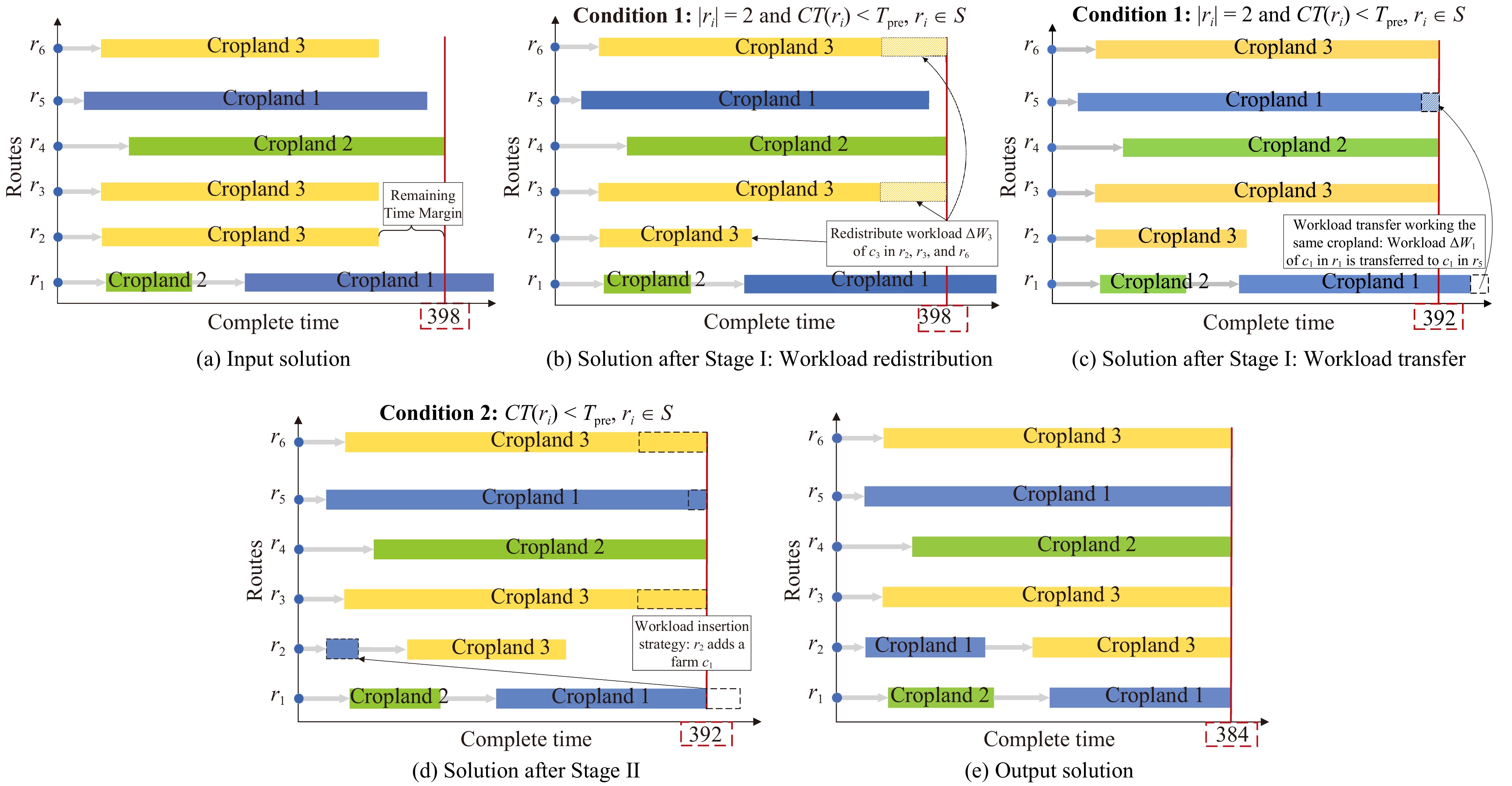
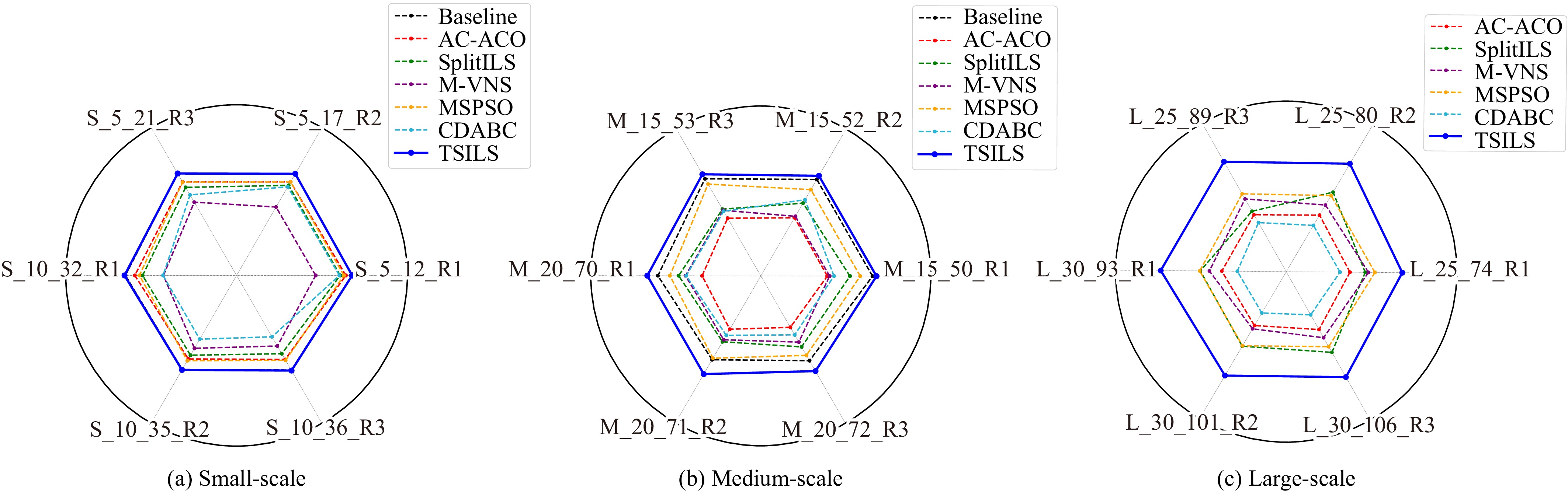
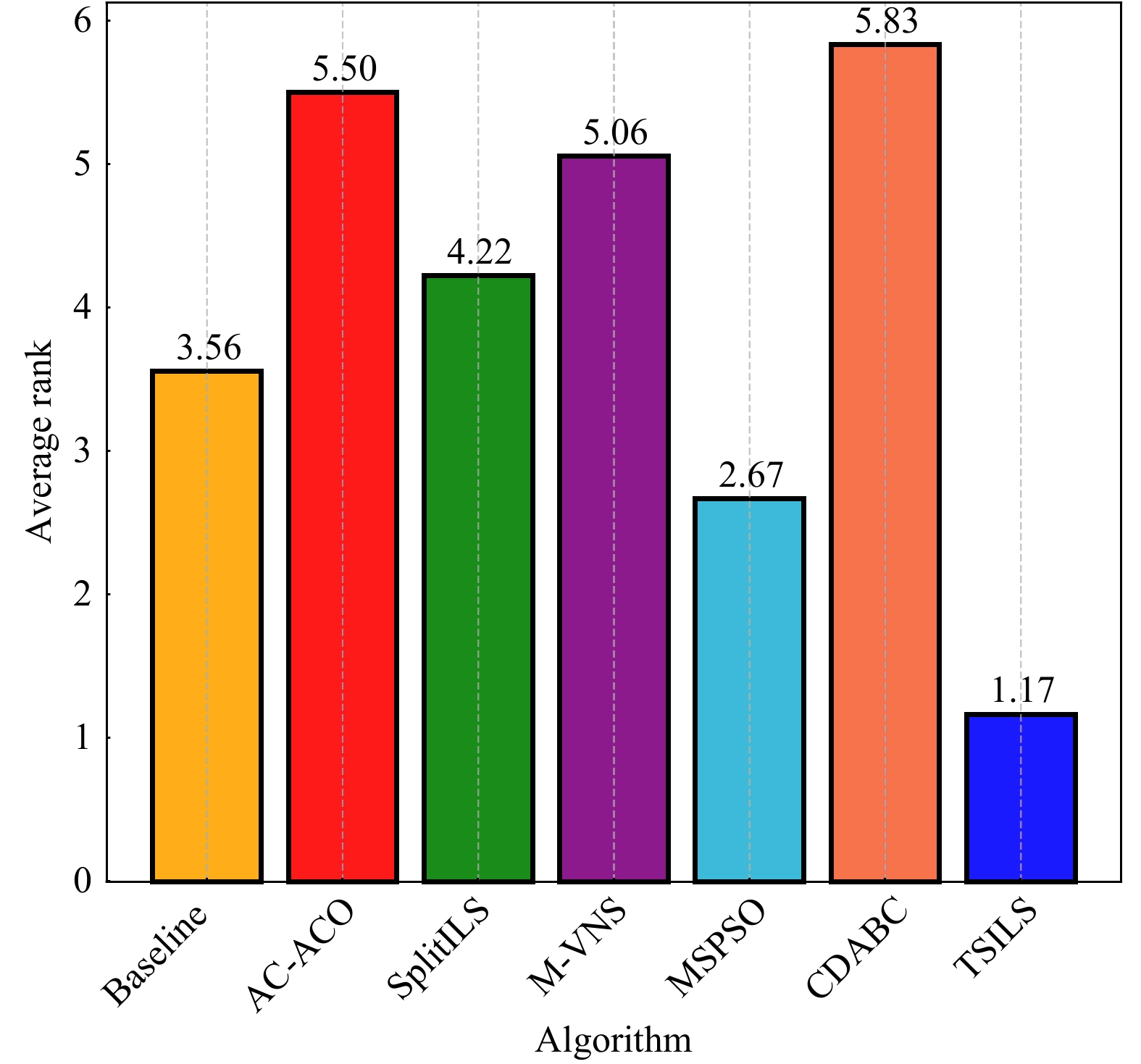
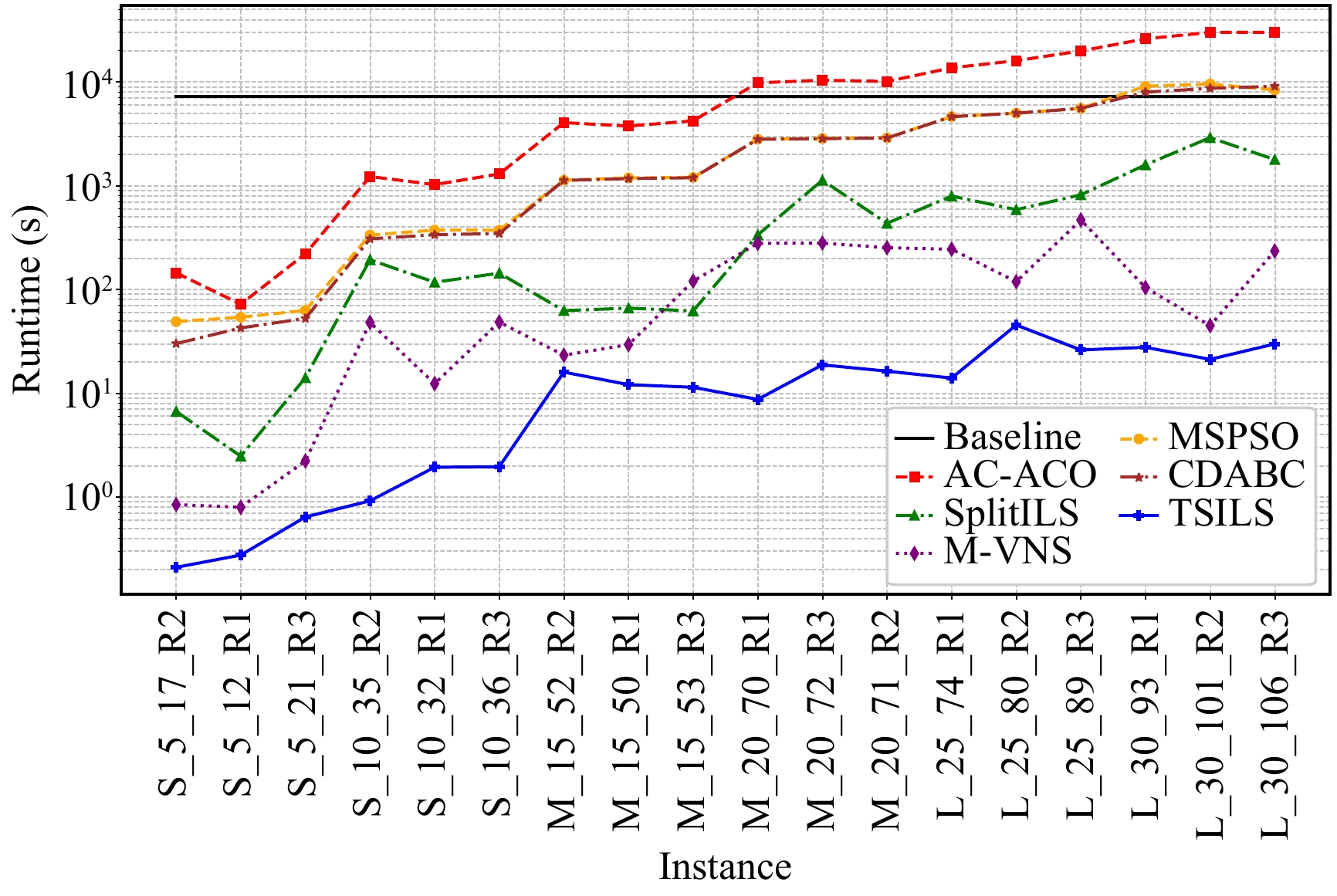
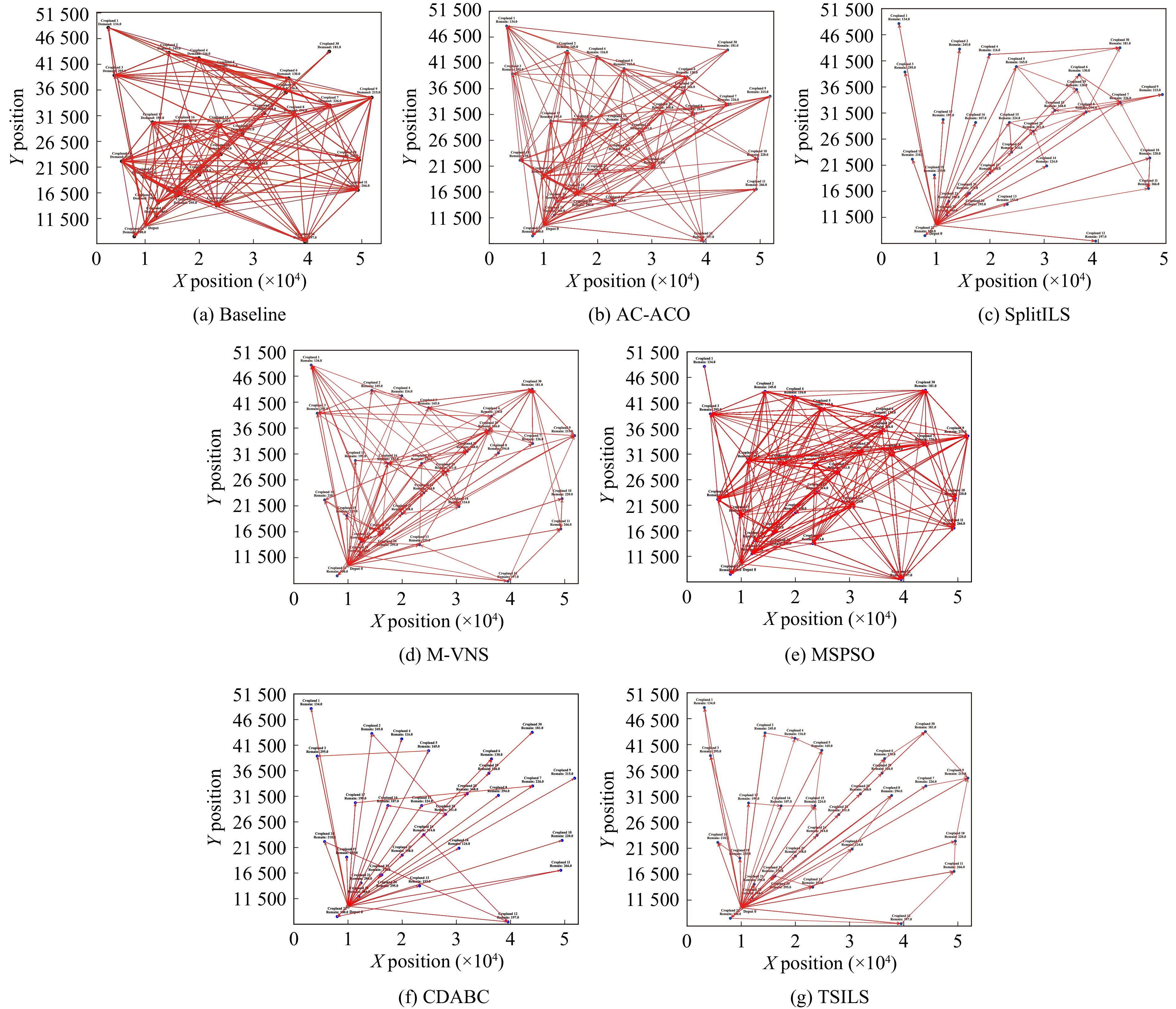
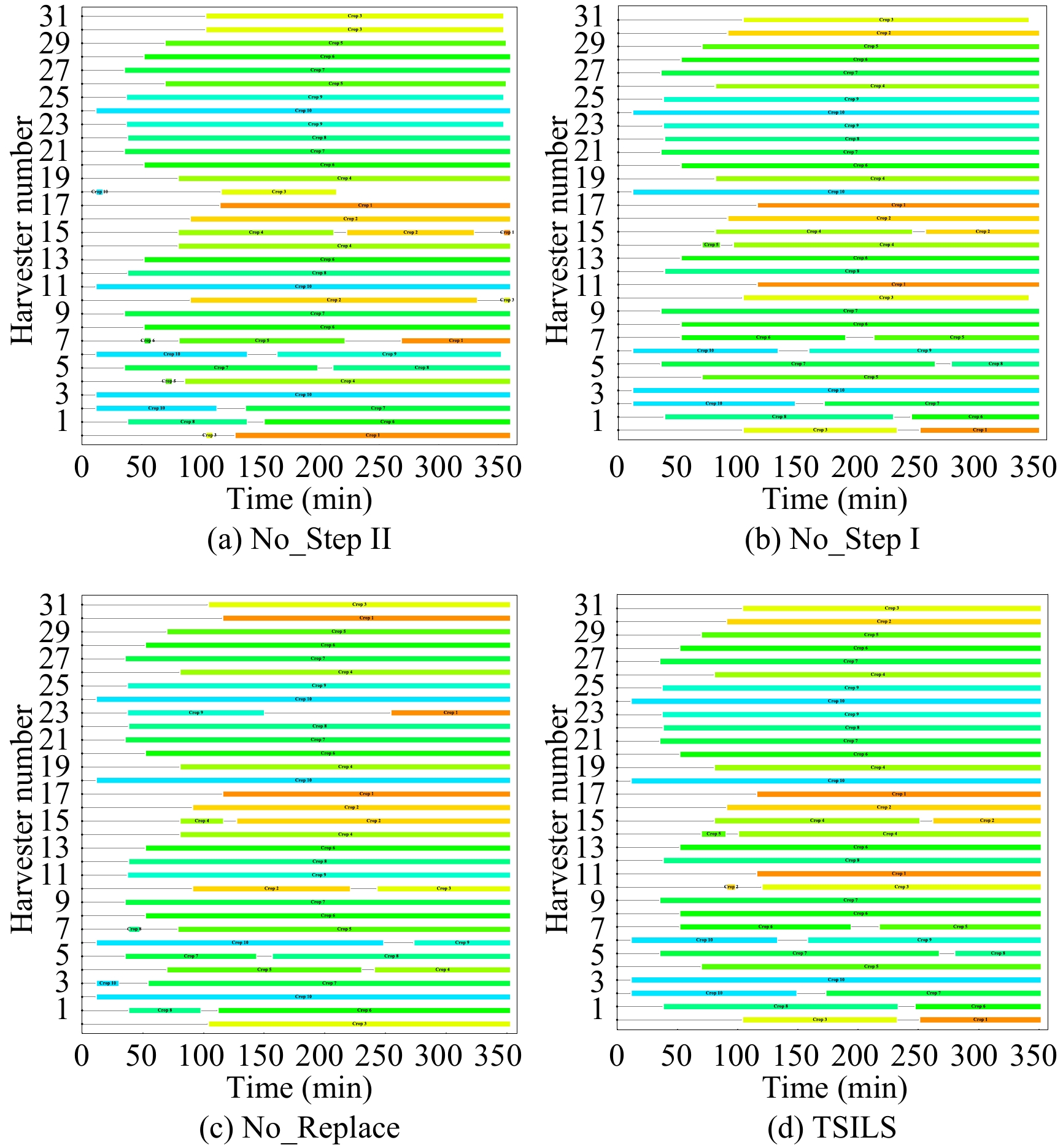
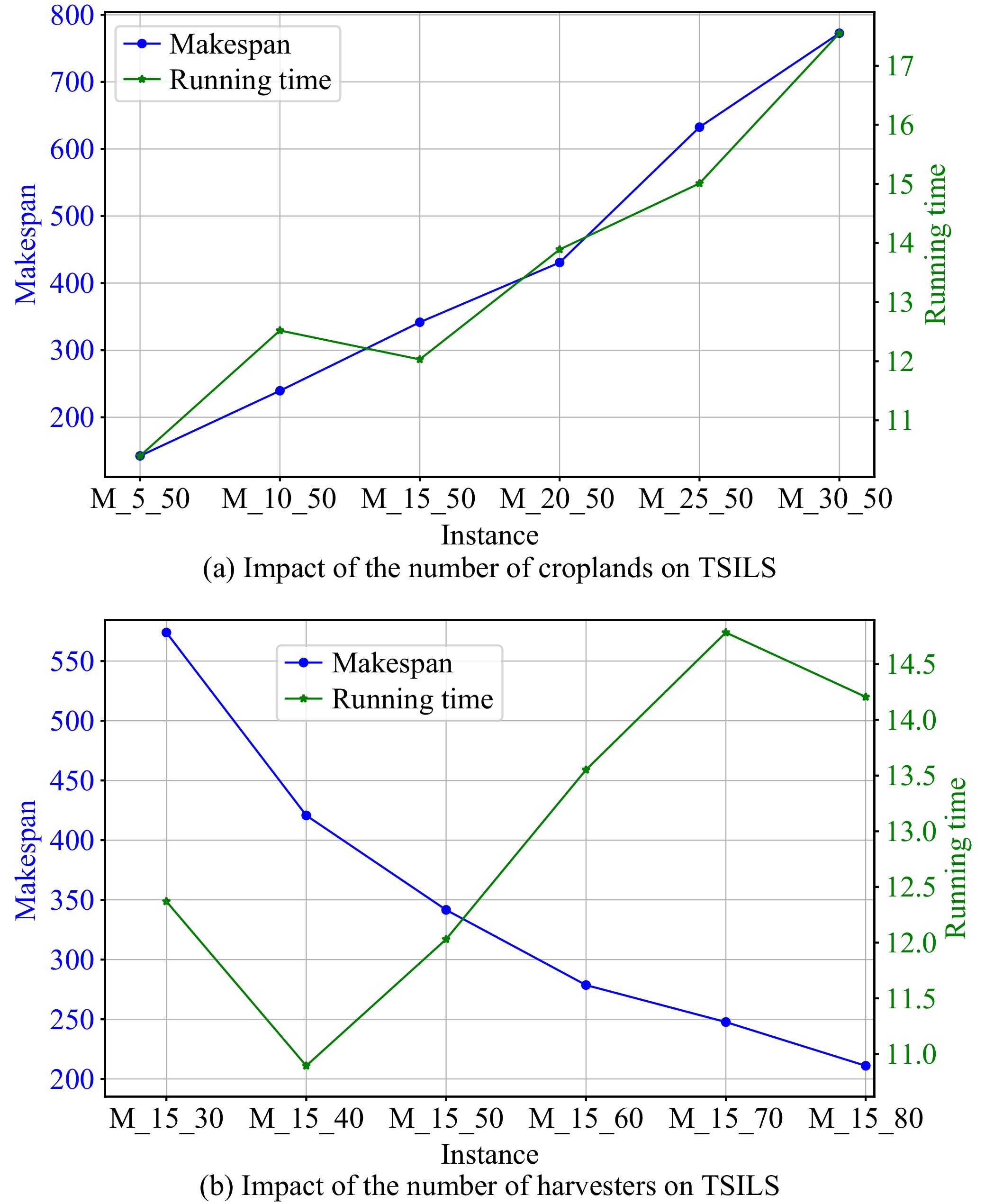
With the growing emphasis on intelligent agriculture, scheduling problems involving multiple harvesters in large-scale croplands have attracted increasing attention. In these scenarios, harvesters collaboratively perform tasks in expansive croplands, with each harvester taking on a portion of the workload. This study defines such problems as the harvester scheduling problem with splittable workloads (HSPSW). Unlike most multi-robot task allocation problems, HSPSW requires collaboration among several harvesters and involves more harvesters than croplands. These features increase the complexity of harvester-cropland interactions. To address these challenges, this paper proposes a novel two-step iterative local search (TSILS) algorithm. A greedy strategy that prioritizes croplands with higher workloads is proposed to generate initial solutions. Subsequently, a two-step iterative search strategy is employed to obtain high-quality solutions: the first step uses a predefined objective to facilitate rapid workload allocation for feasible solutions, and the second step integrates specific neighborhood operators and fine-grained local search to improve its search capability. Experimental results demonstrate that the proposed method TSILS significantly outperforms existing approaches in both algorithmic performance and computational efficiency.
Zonotope-Based Distributed Fusion for 2-D Binary Sensor Systems Under FlexRay Protocols
Lan Lan, Guoliang Wei, Ying Sun
2026, 13(7): 1600-1609. doi: 10.1109/JAS.2025.125744
Abstract(18) HTML (10) PDF(3)
Abstract:
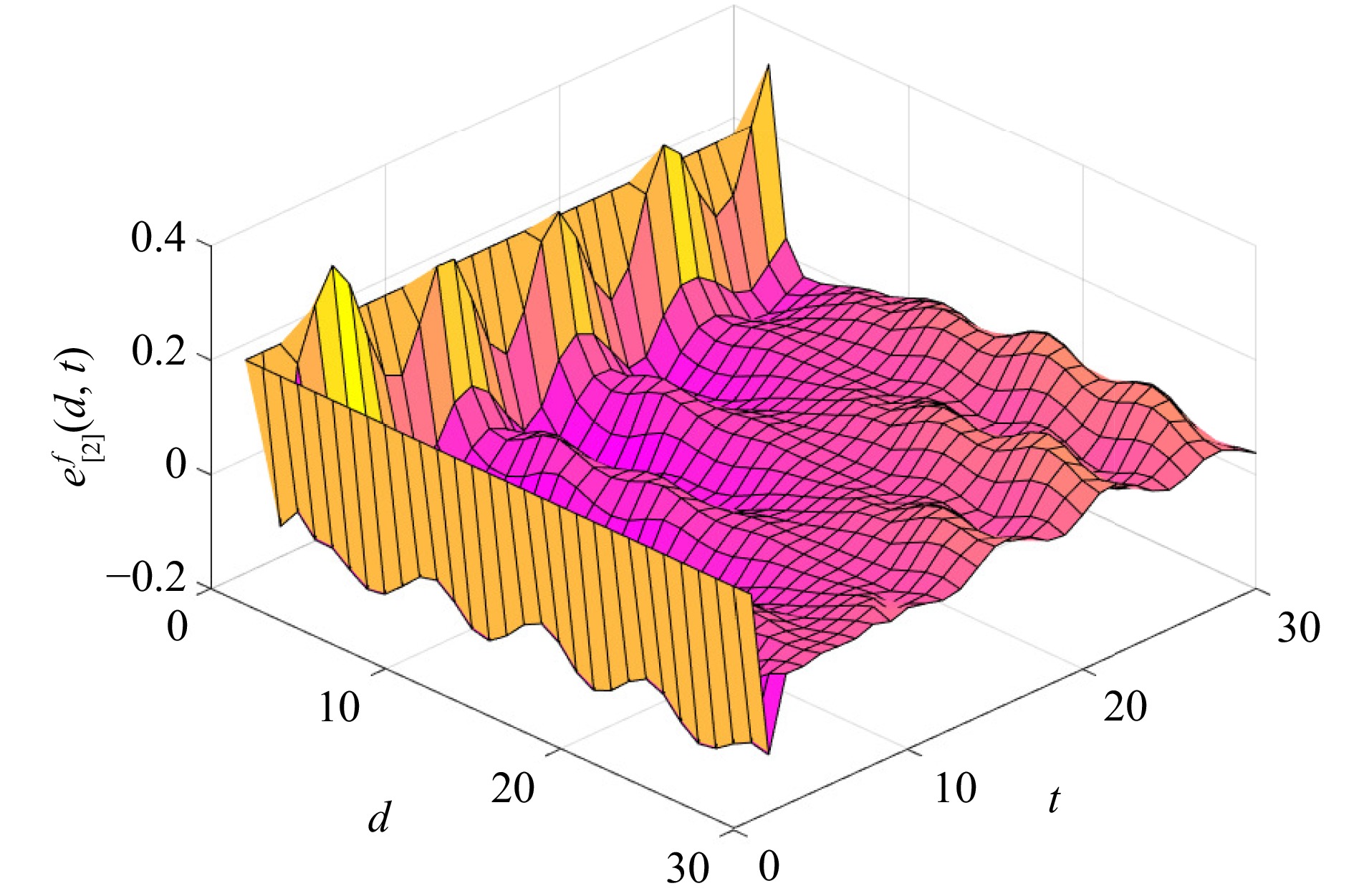
In this paper, a zonotopic distributed fusion estimation problem is investigated for a class of 2-D nonlinear systems subject to unknown-but-bounded noises over a binary sensor network. An auxiliary innovation is constructed to reduce the influence of the less measured information, and FlexRay protocol is employed to schedule the innovation transmission between nodes. By resorting to the set-membership filtering, a variable-independent zonotope is achieved to constrain local estimation error, and gain parameters are obtained by minimizing the upper bound of zonotope in the F-radius sense. Subsequently, a zonotopic distributed fusion scheme is implemented through the matrix-weighted fusion criteria, and an optimized weighted matrix is obtained using the Lagrange Multiple method. Furthermore, the monotonicity of the local zonotope is analyzed with the gain-constraint parameter. Finally, a numerical example is considered to verify the effectiveness of the developed fusion algorithm.
Multi-Time-Scale Modeling for Day-Ahead Forecasting of Passenger Travel-Time and Destinations Distribution
Yiren Liu, Lishuai Li, Yang Zhao, Yining Dong, S. Joe Qin
2026, 13(7): 1610-1625. doi: 10.1109/JAS.2026.126170
Abstract(24) HTML (10) PDF(2)
Abstract:
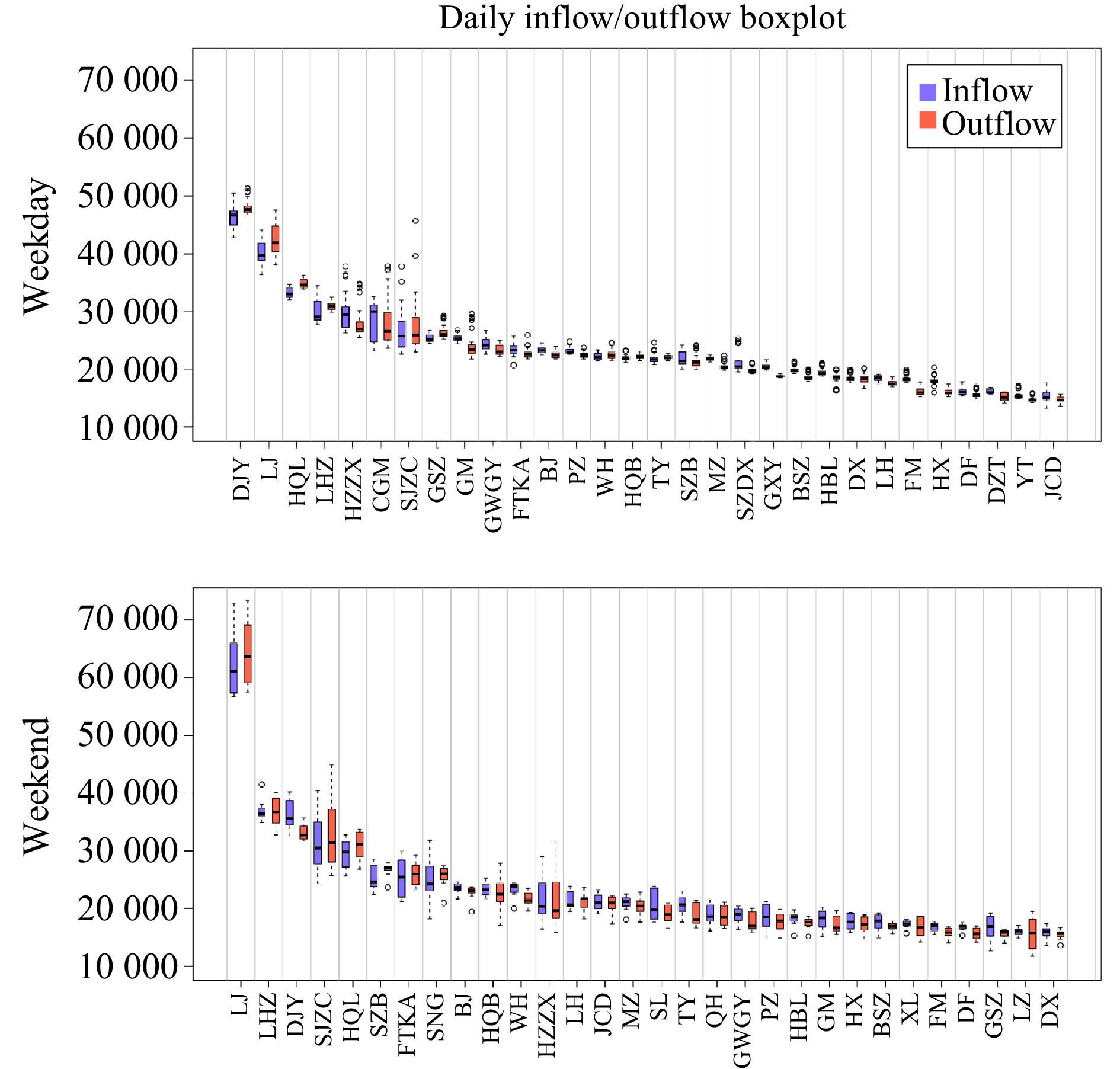
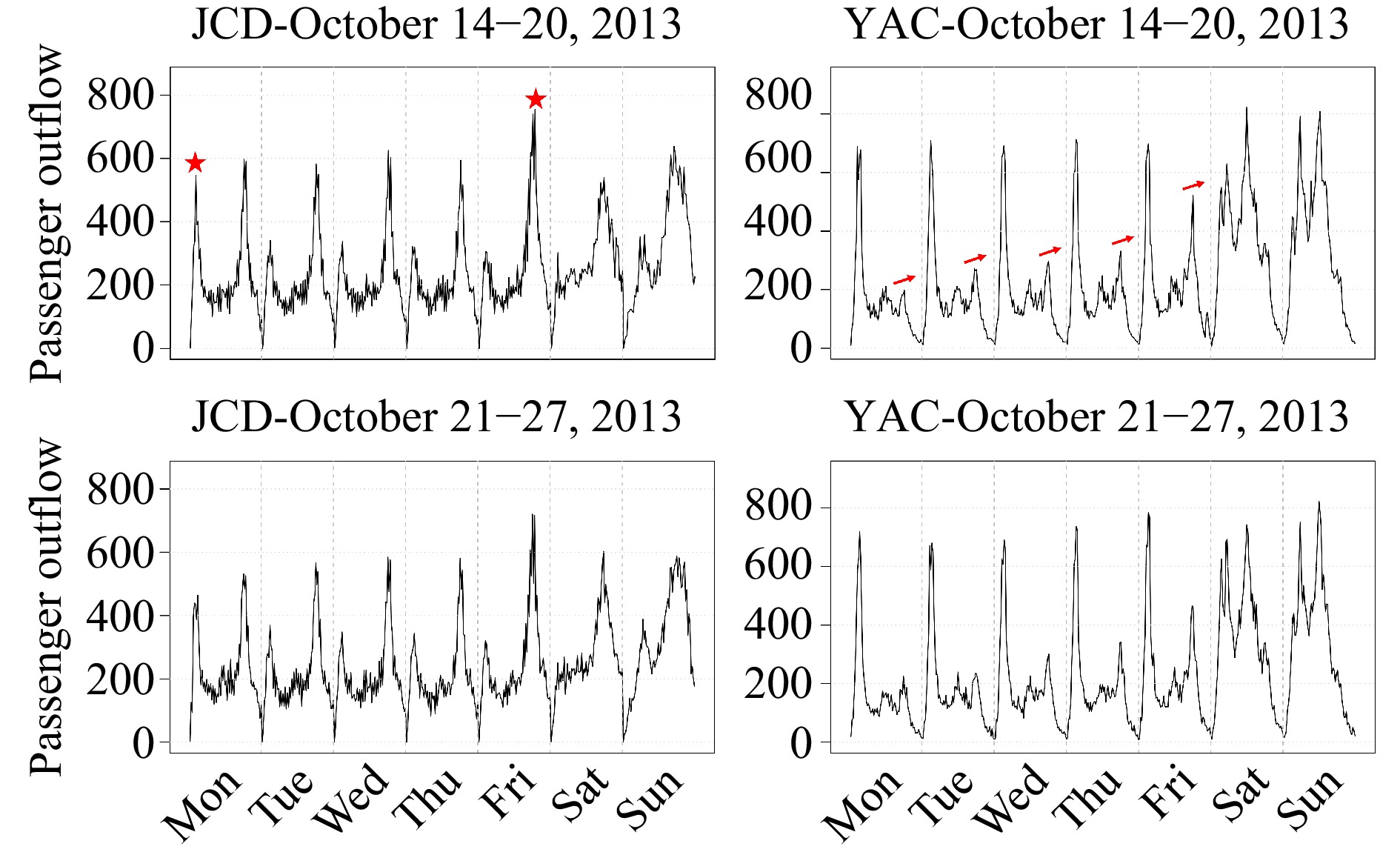
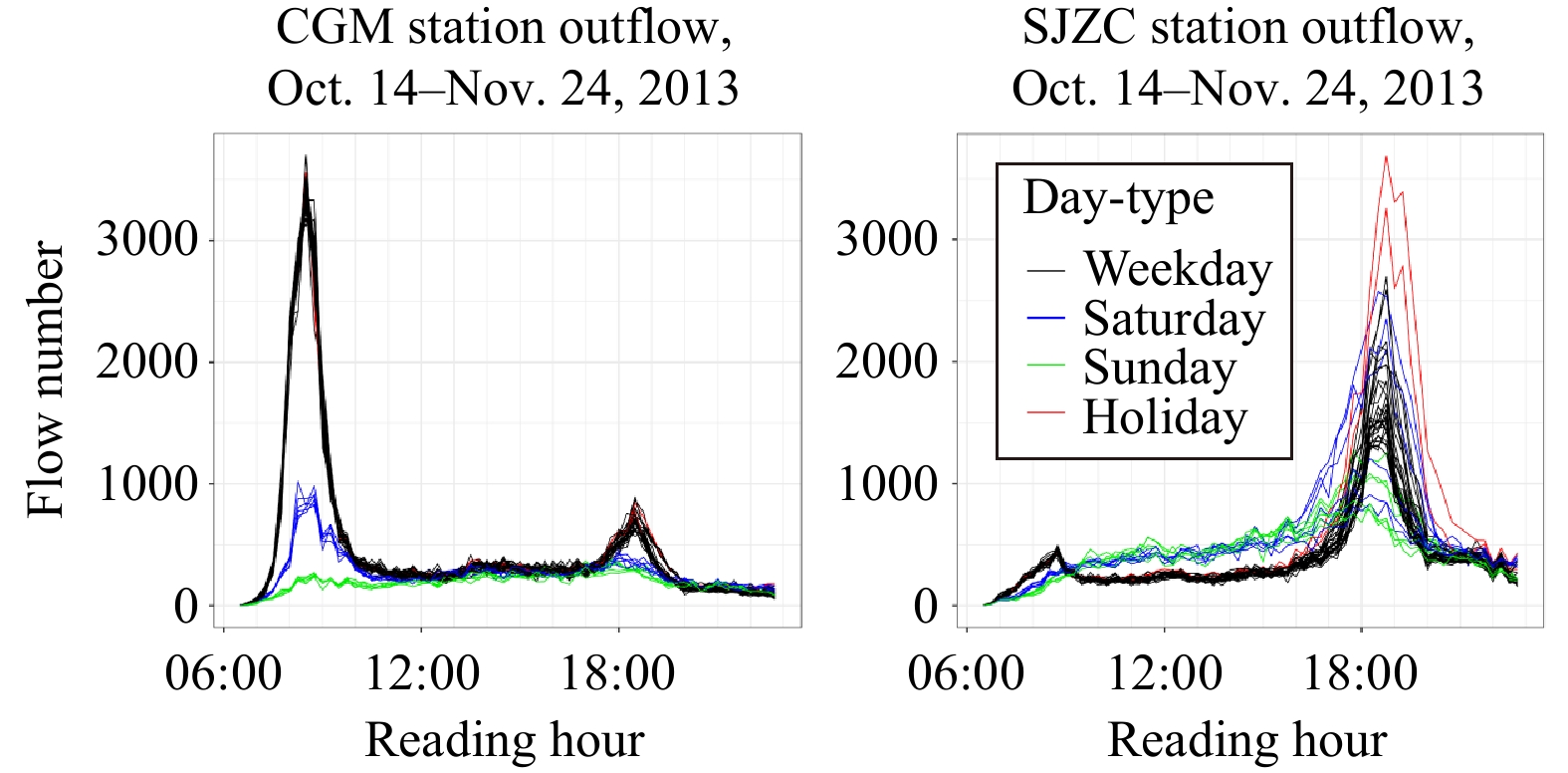
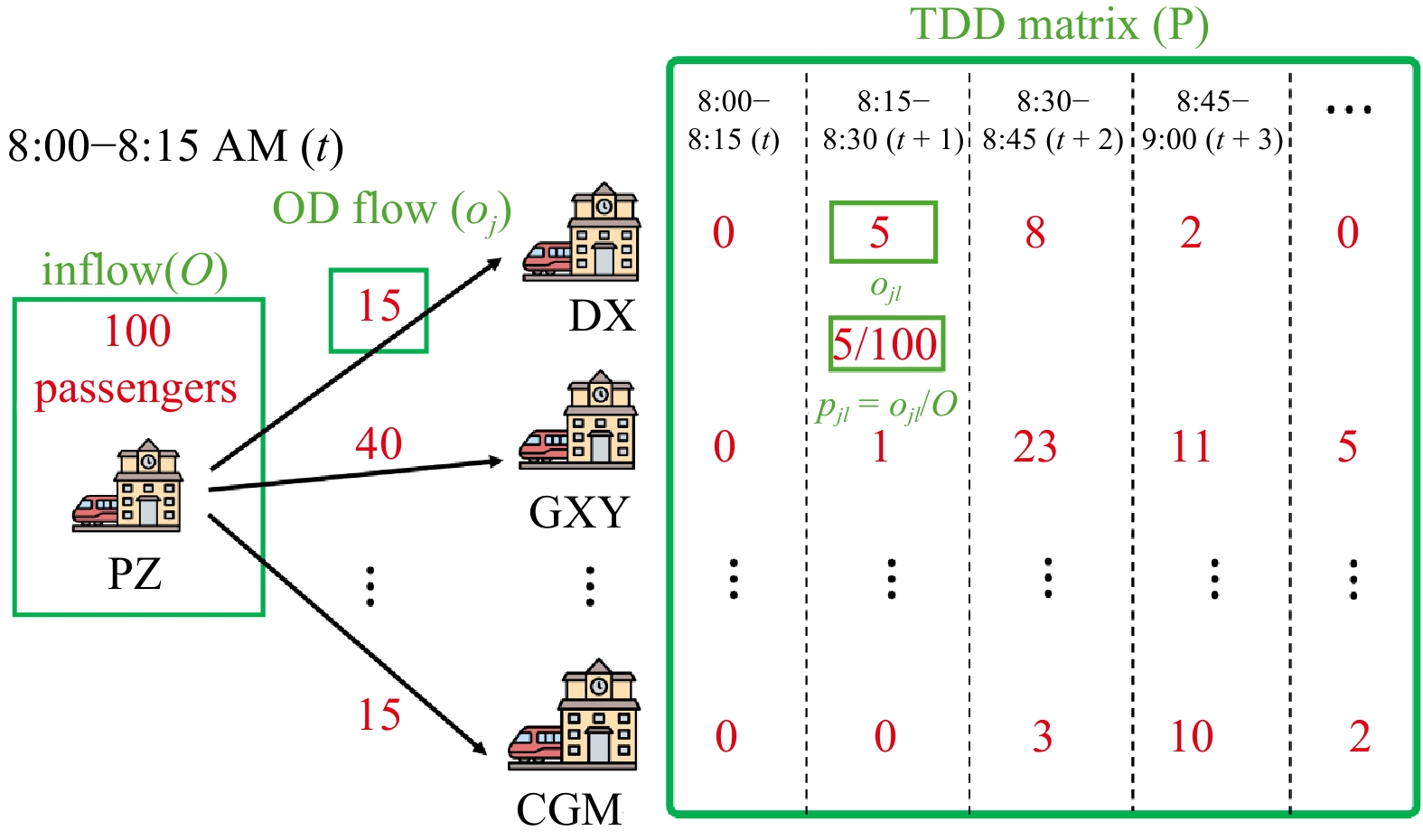
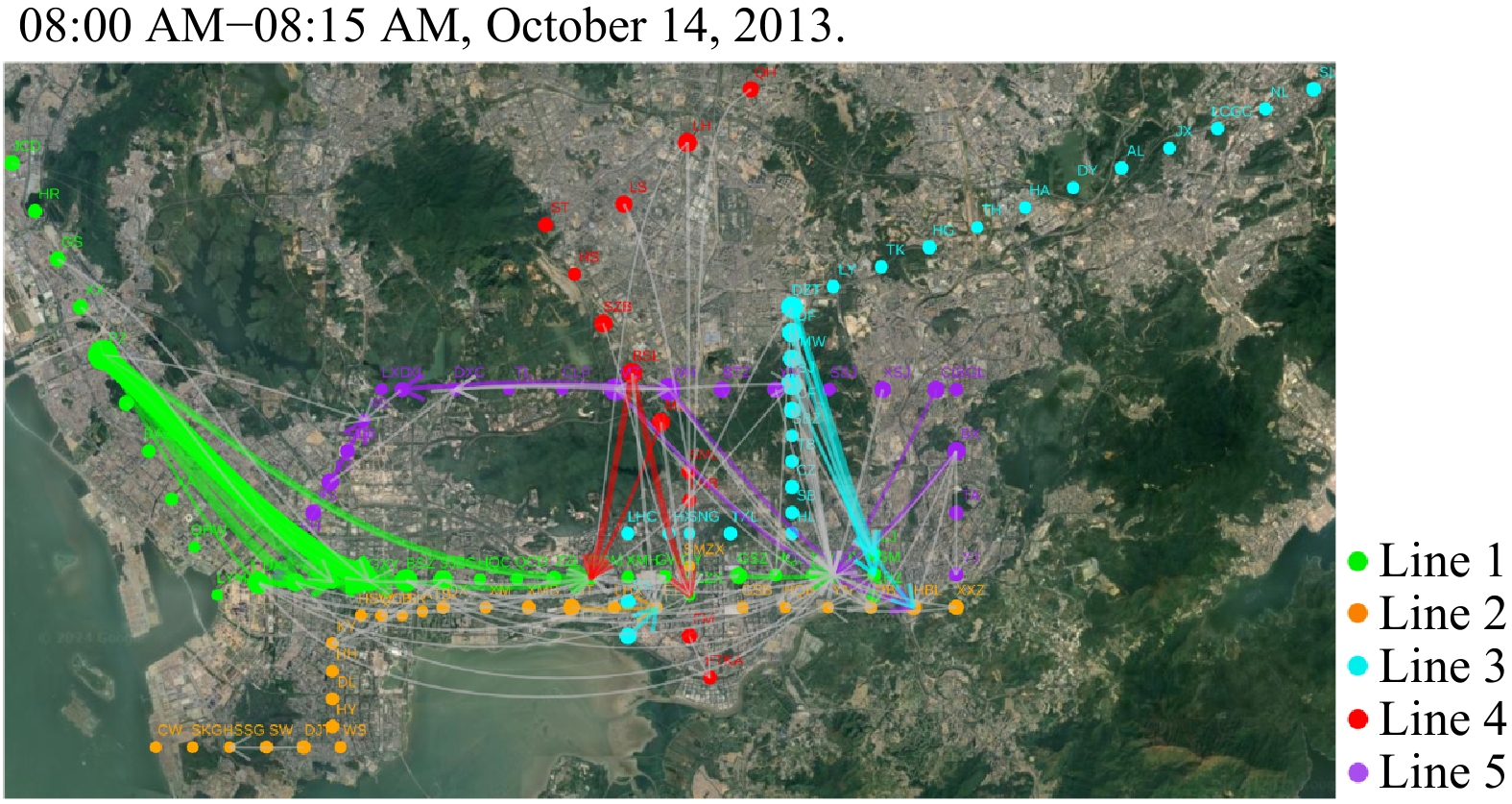
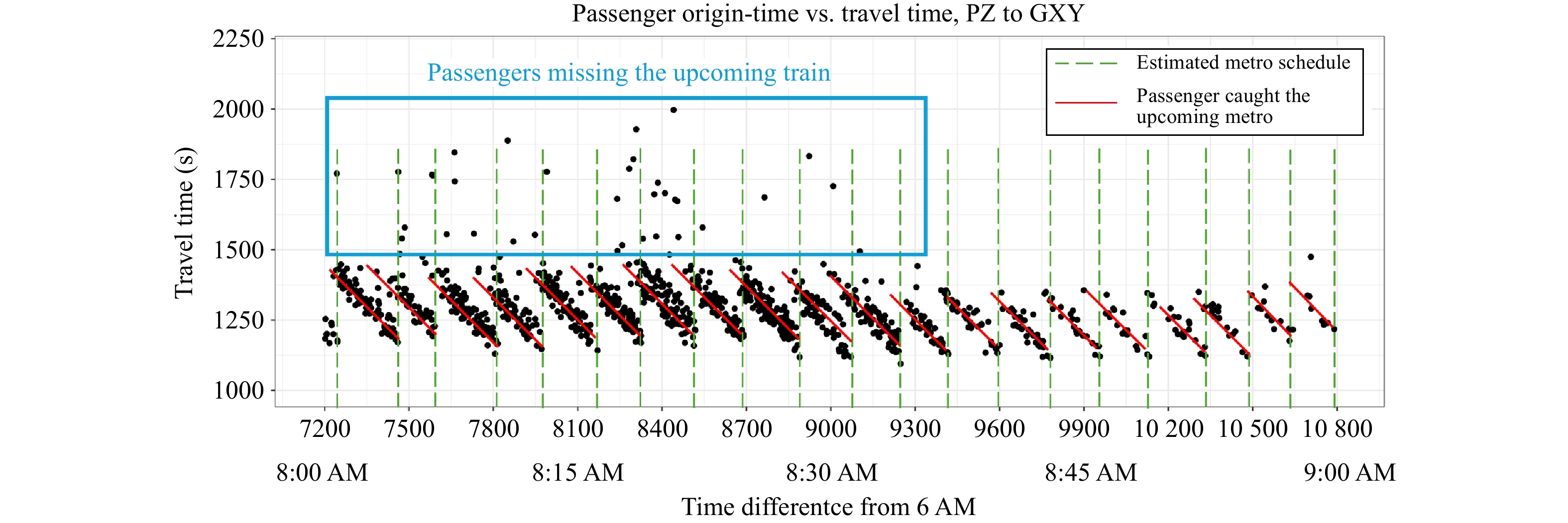
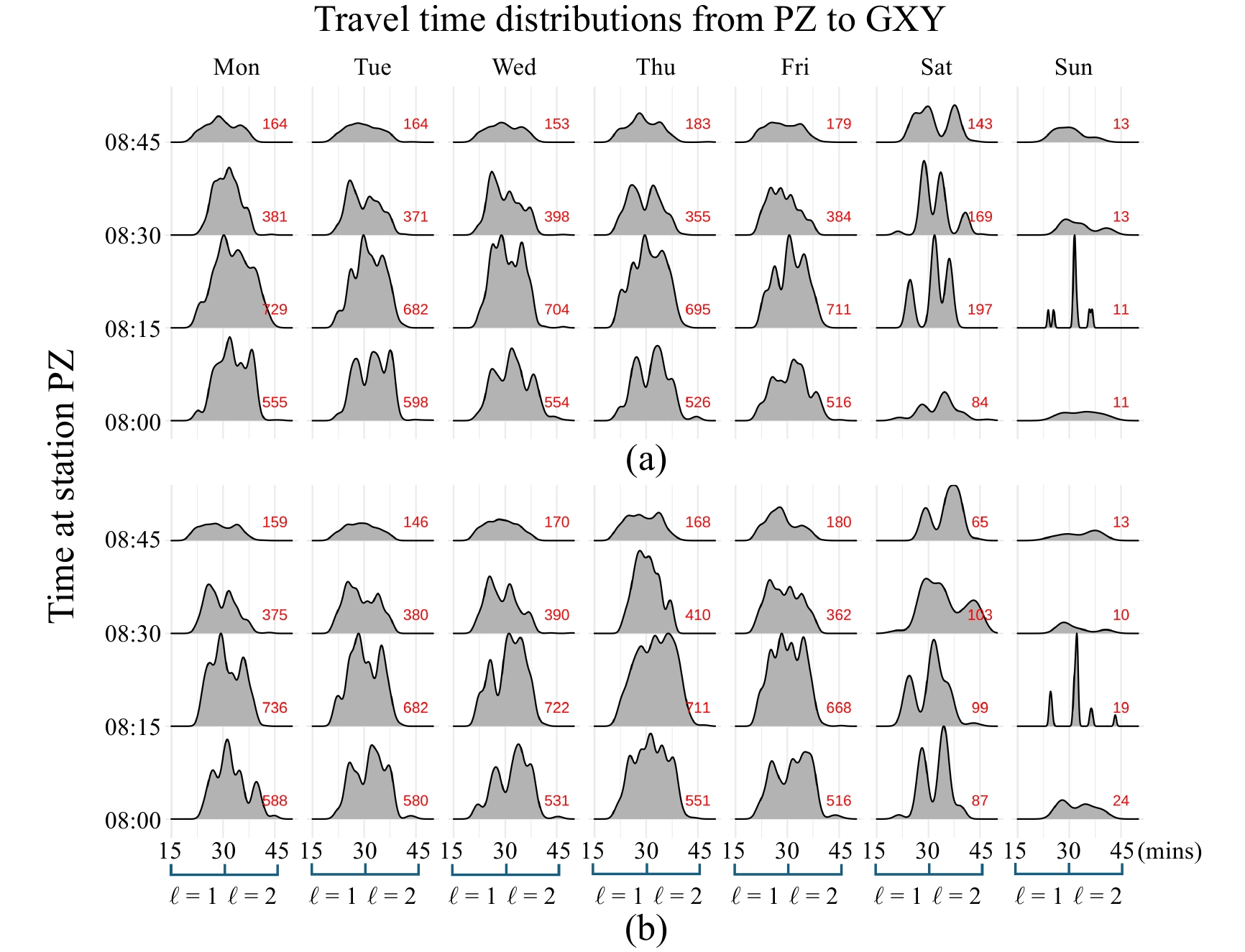
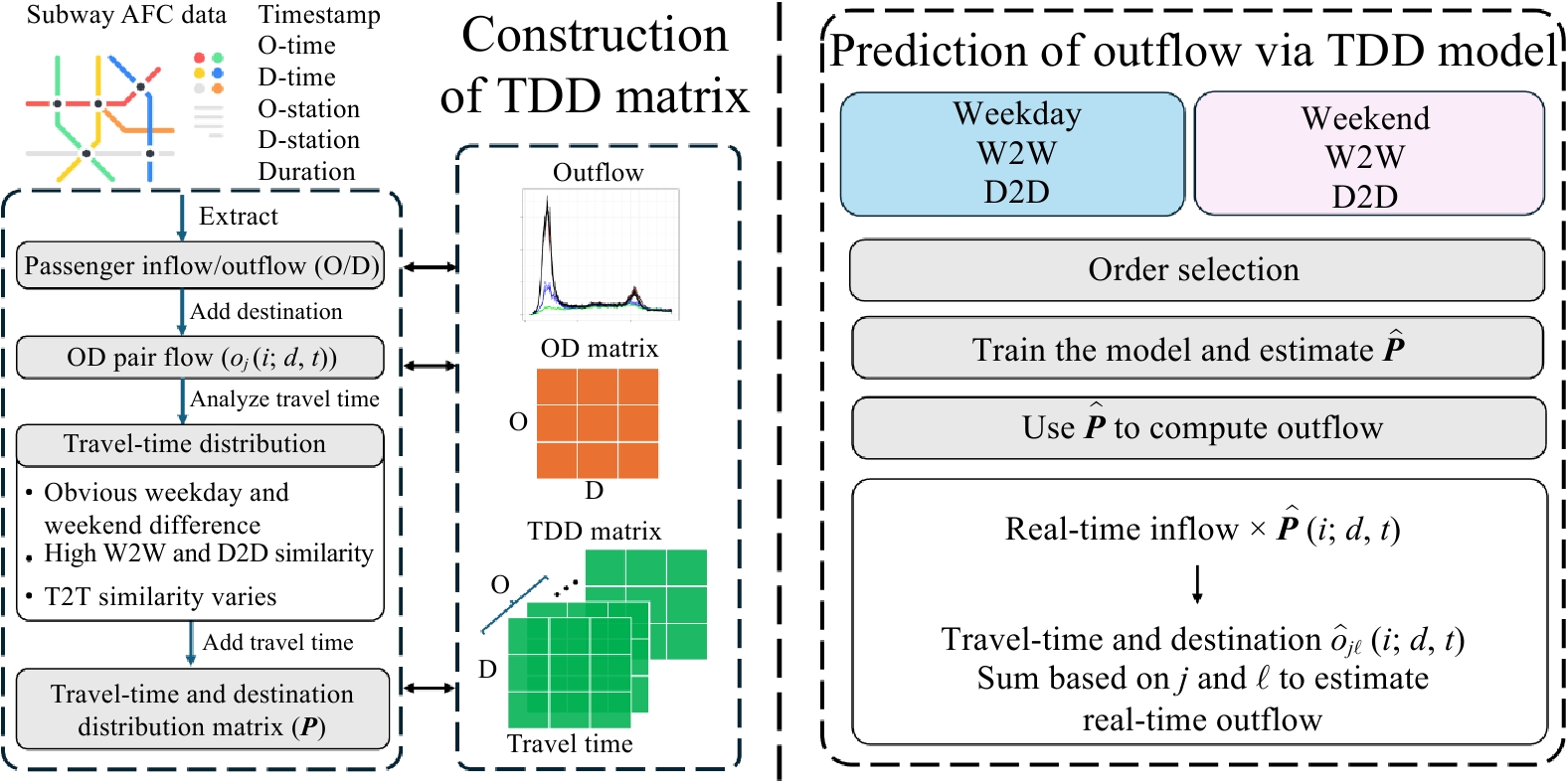
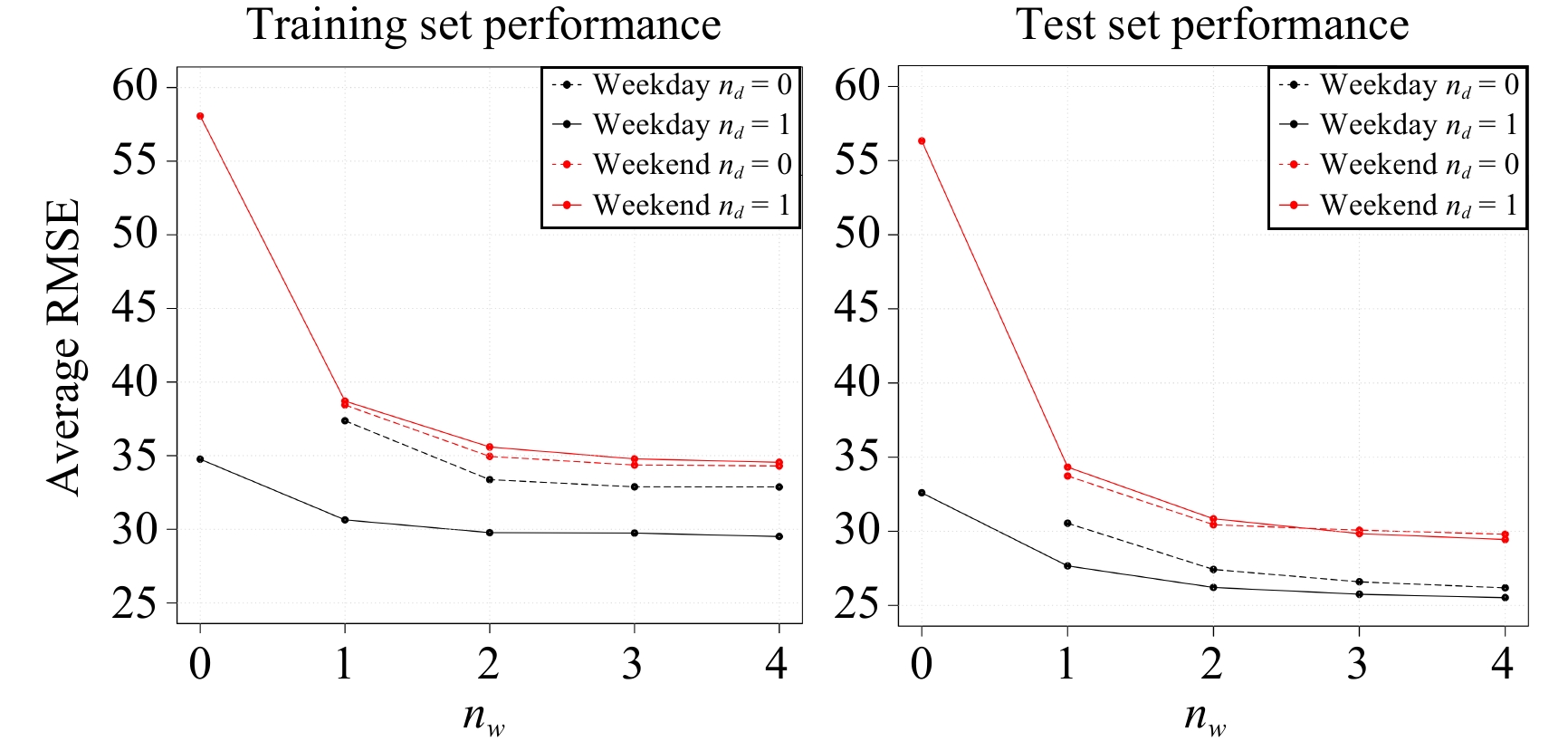
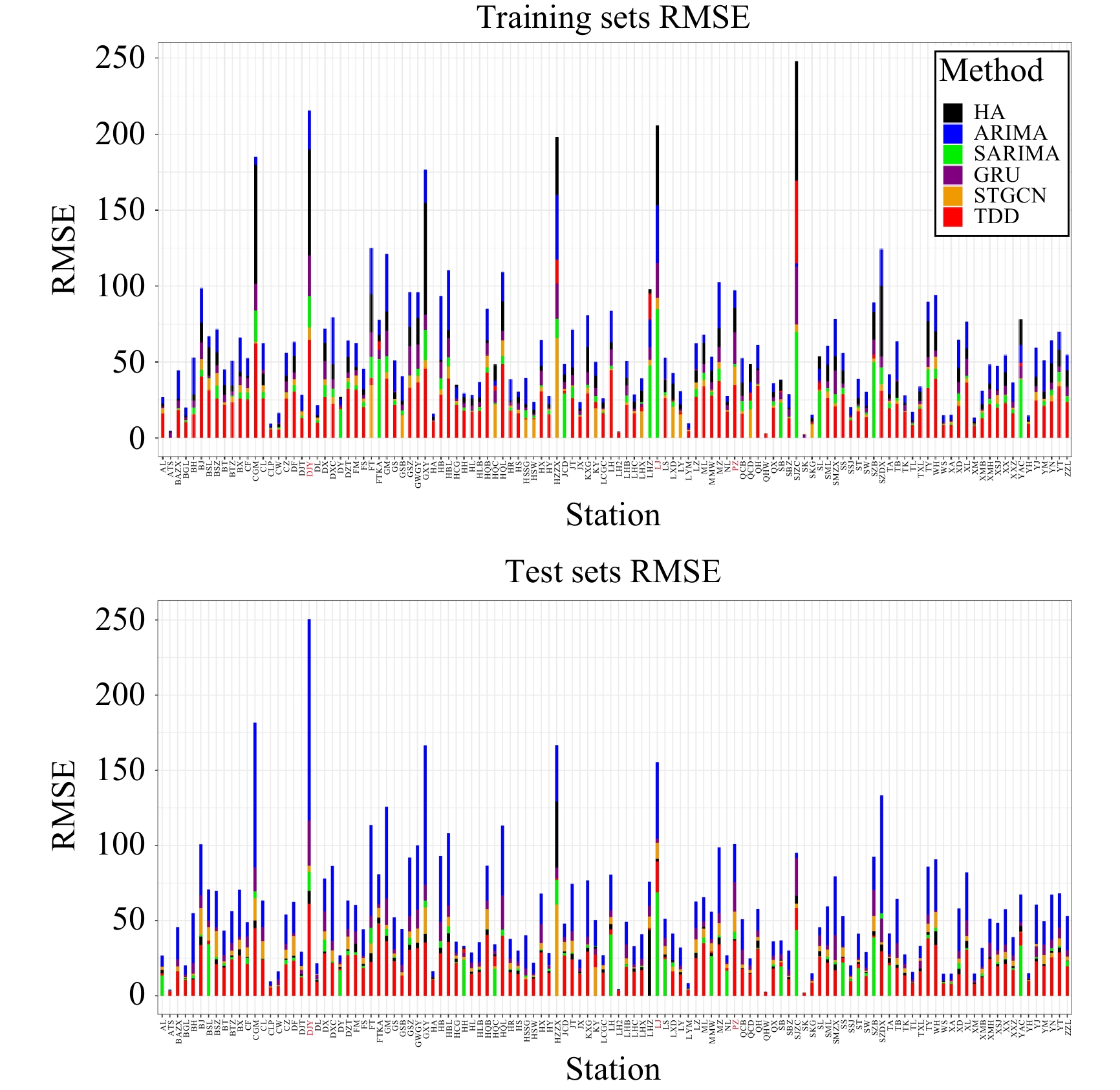
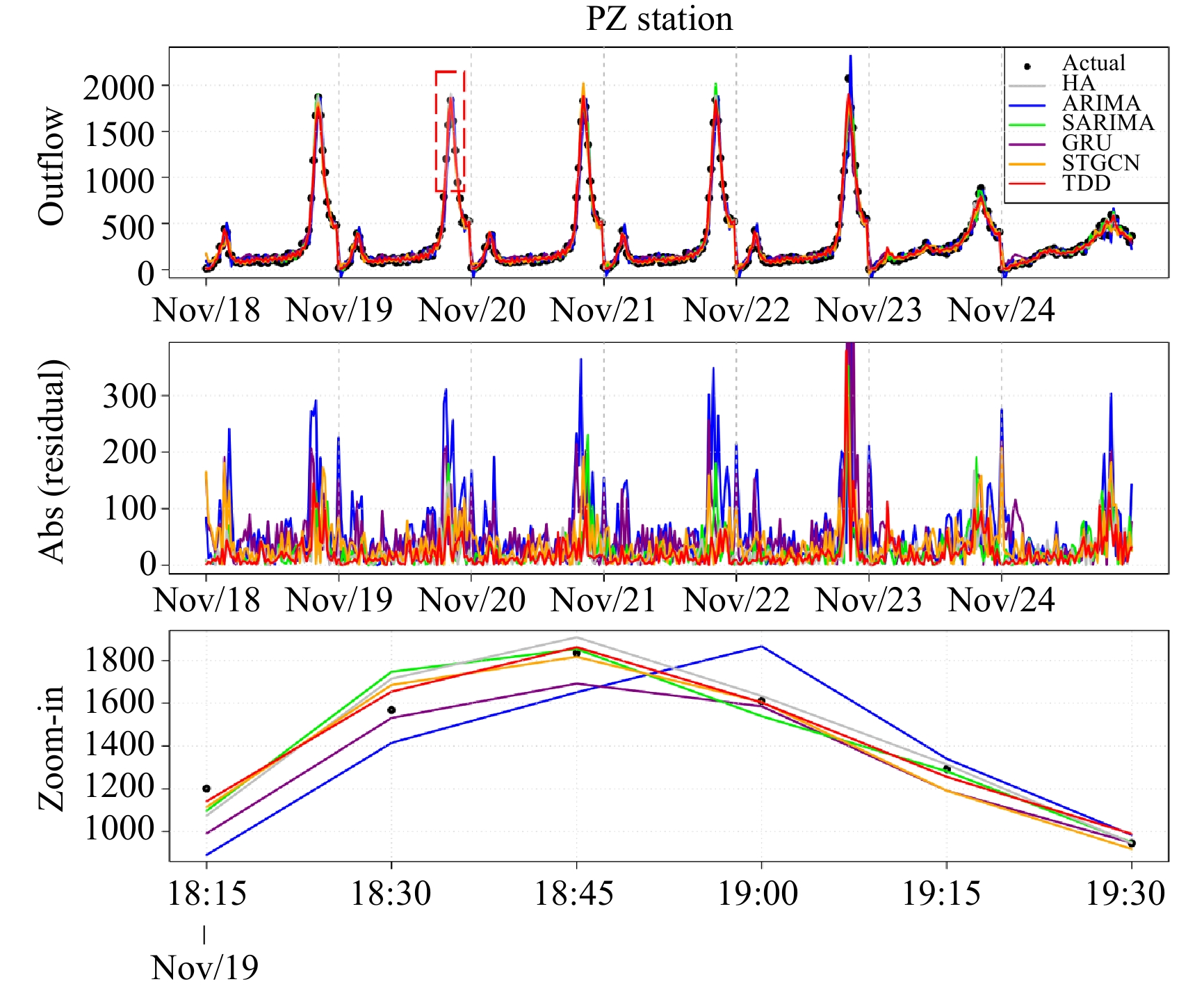
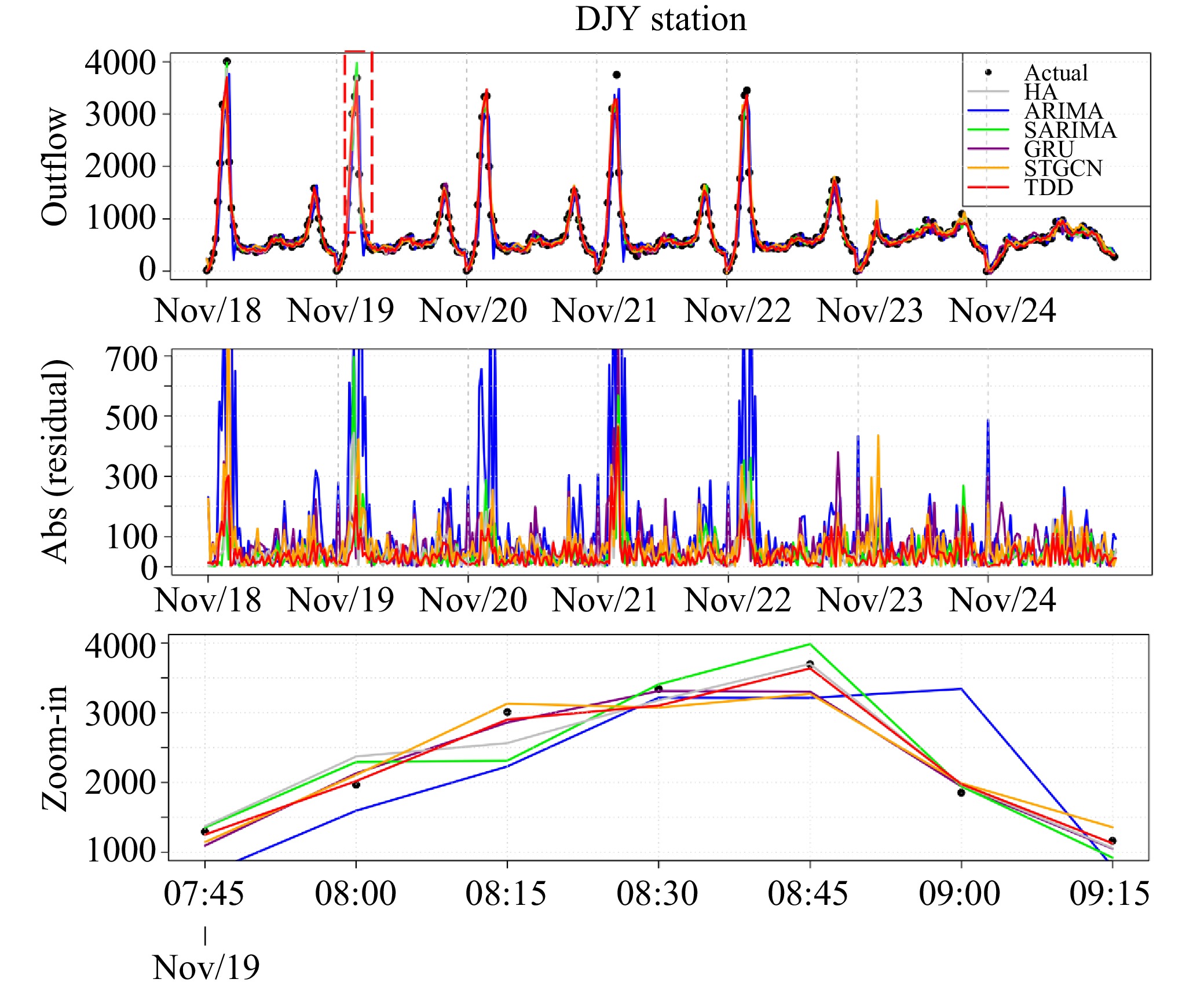
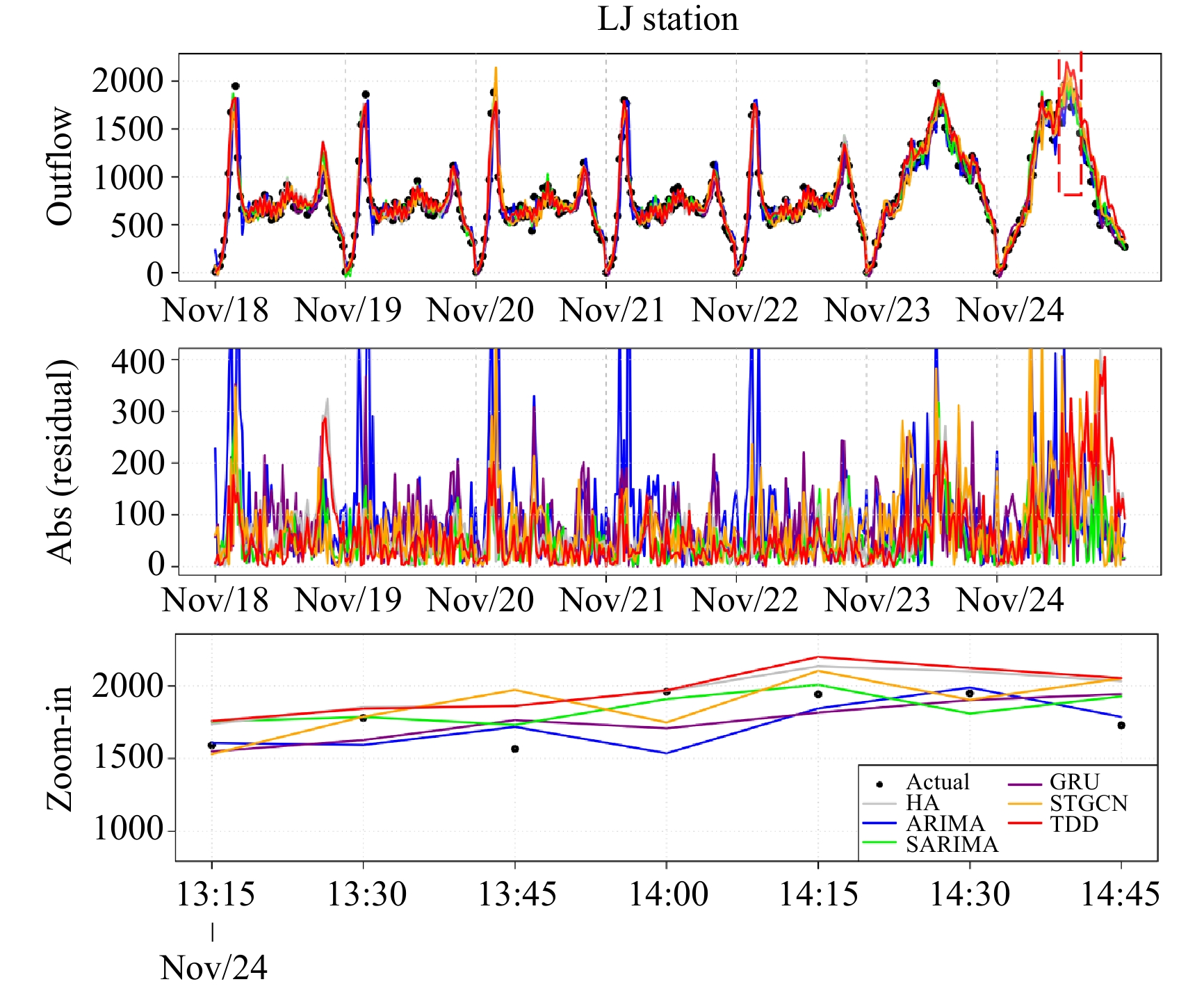
It is crucial to forecast passenger flows for optimizing subway operations and improving travel experience for passengers. While traditional methods usually estimate the average travel time of passengers, this study delves into the modeling and prediction travel time distributions from all origin stations to all destinations. We construct a matrix that includes the travel time and destination for passengers originating from each station at a time slot. We propose a travel-time and destinations distribution modeling approach for one-day ahead predictions for each origin station. By quantifying the multi-time-scale similarities of week-to-week, day-to-day, and time-to-time, we unveil the underlying mechanisms of passengers’ travel patterns, revealing predictable and repetitive mobility behaviors. We validate the proposed model using real subway passenger data sets and demonstrate its superior performance in predicting the passenger flows and the associated travel time.
SDformer: Fusing Series Decomposition for Superior Long-Term Time Series Forecasting
Jiayi Li, Zihang Zhang, Chao Zhang, Jun Tang, Shangce Gao
2026, 13(7): 1626-1641. doi: 10.1109/JAS.2025.125588
Abstract(19) HTML (11) PDF(3)
Abstract:
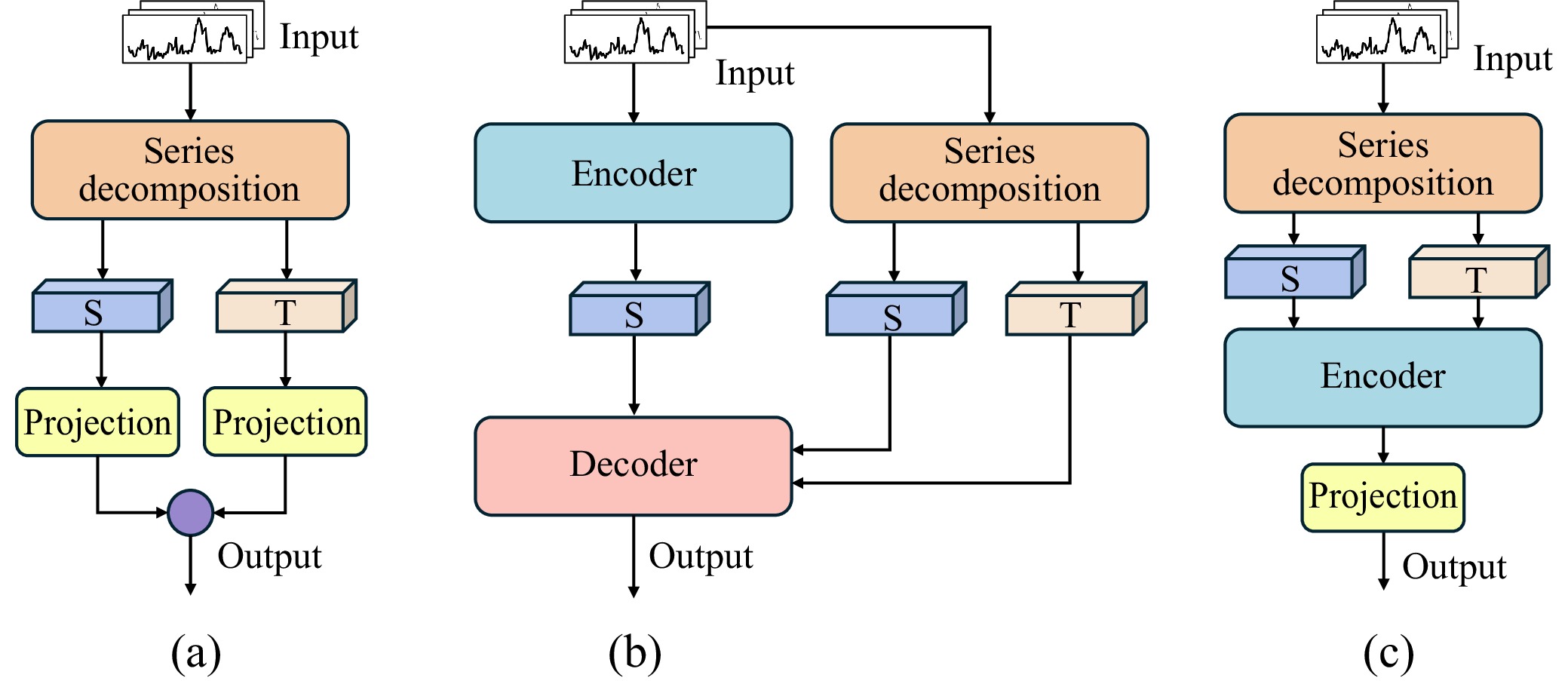
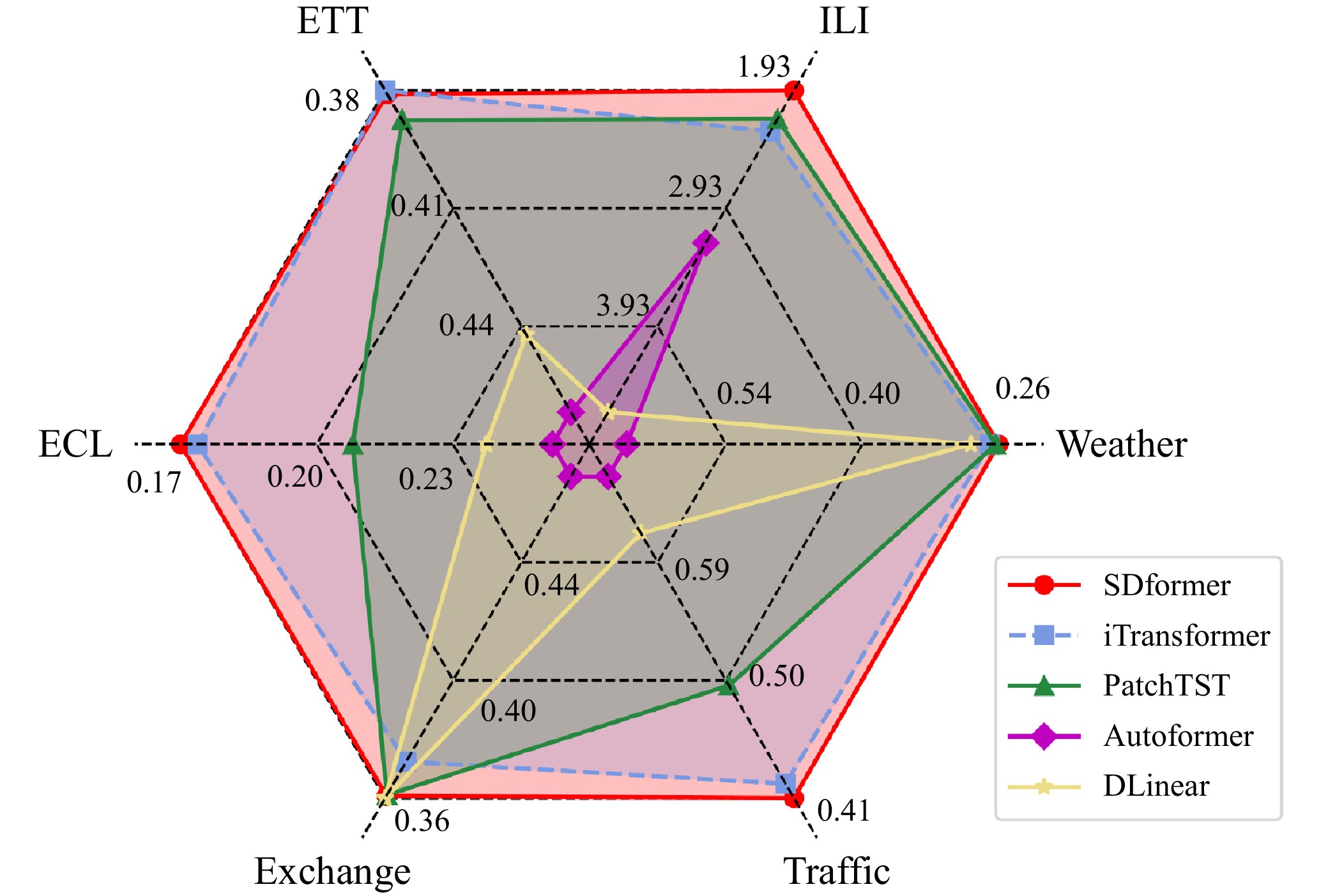
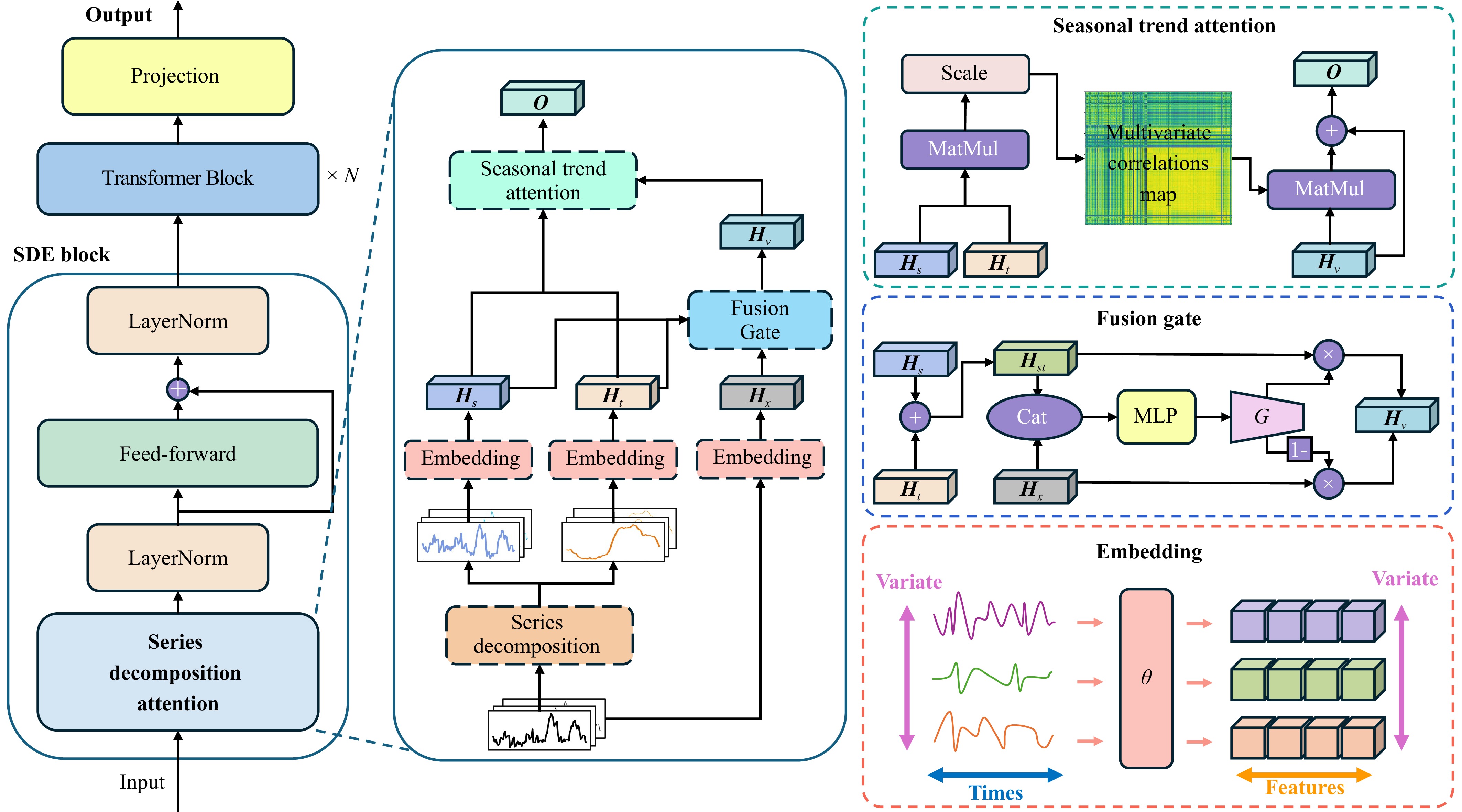
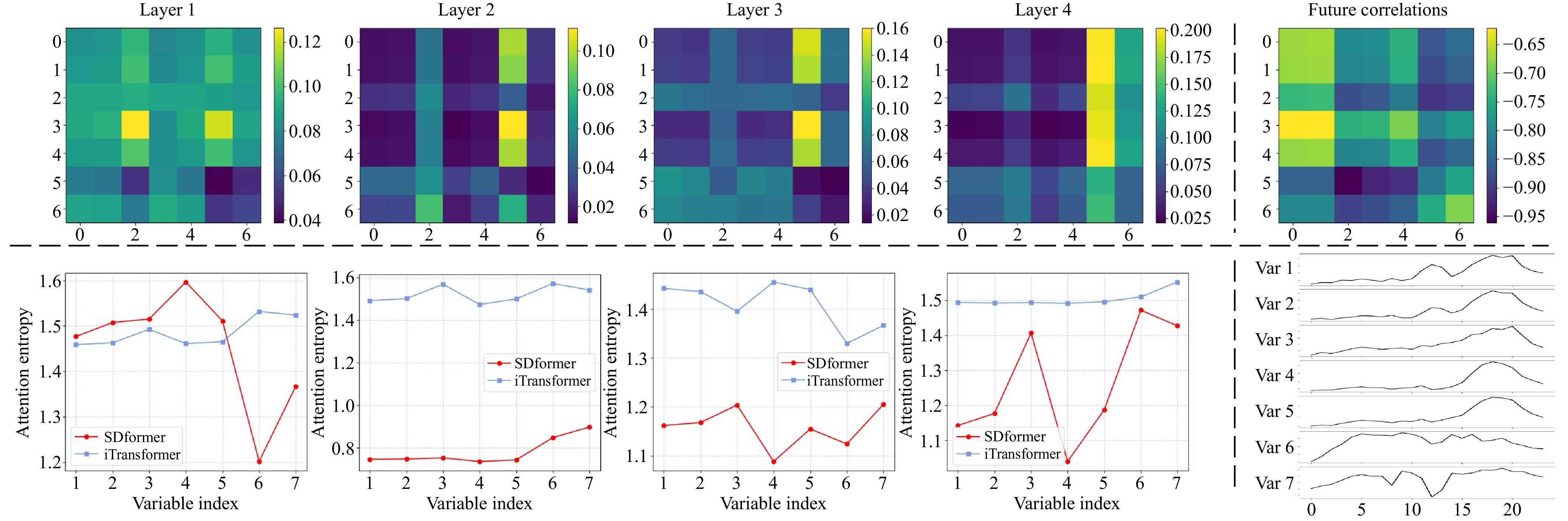
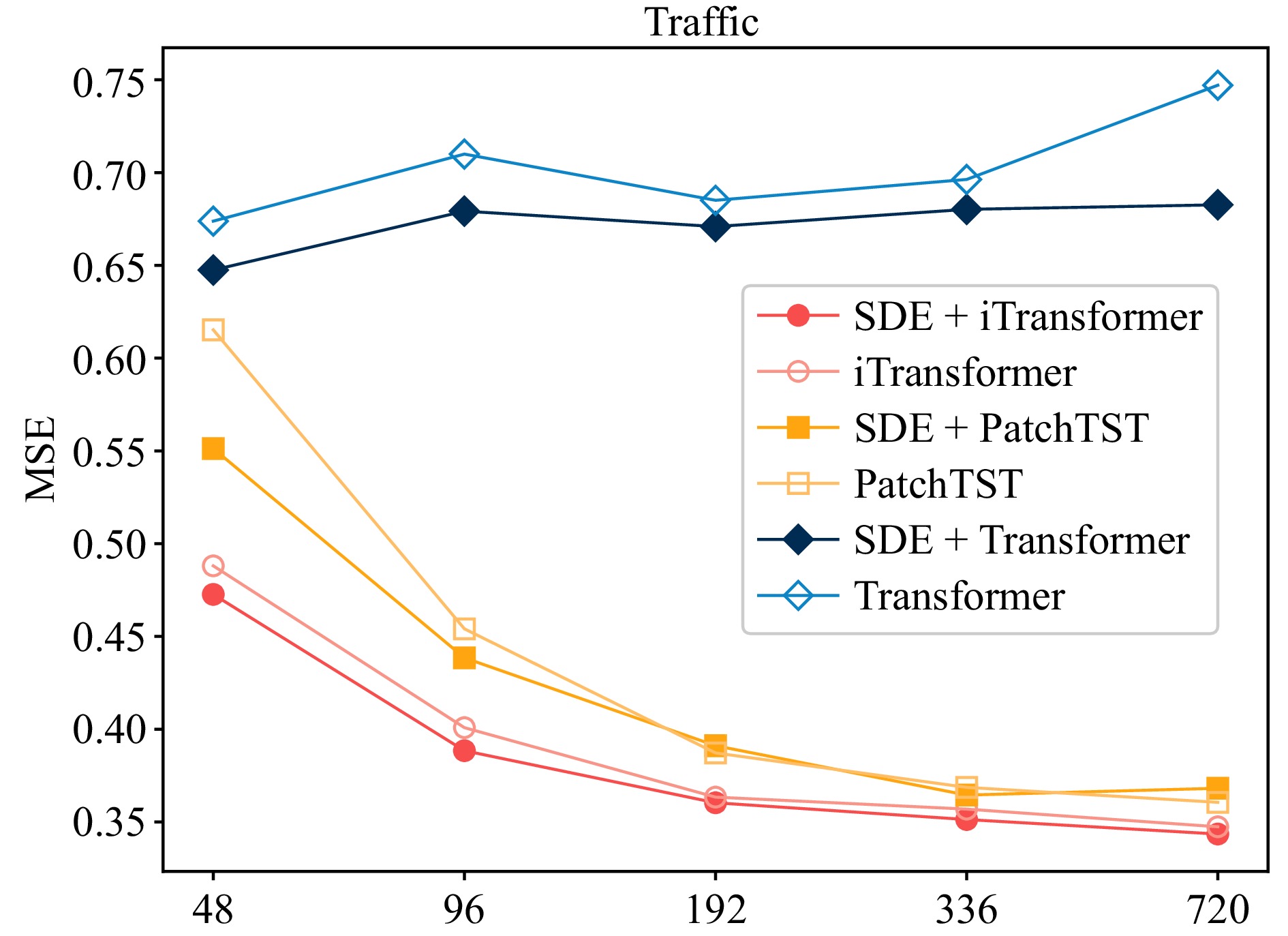
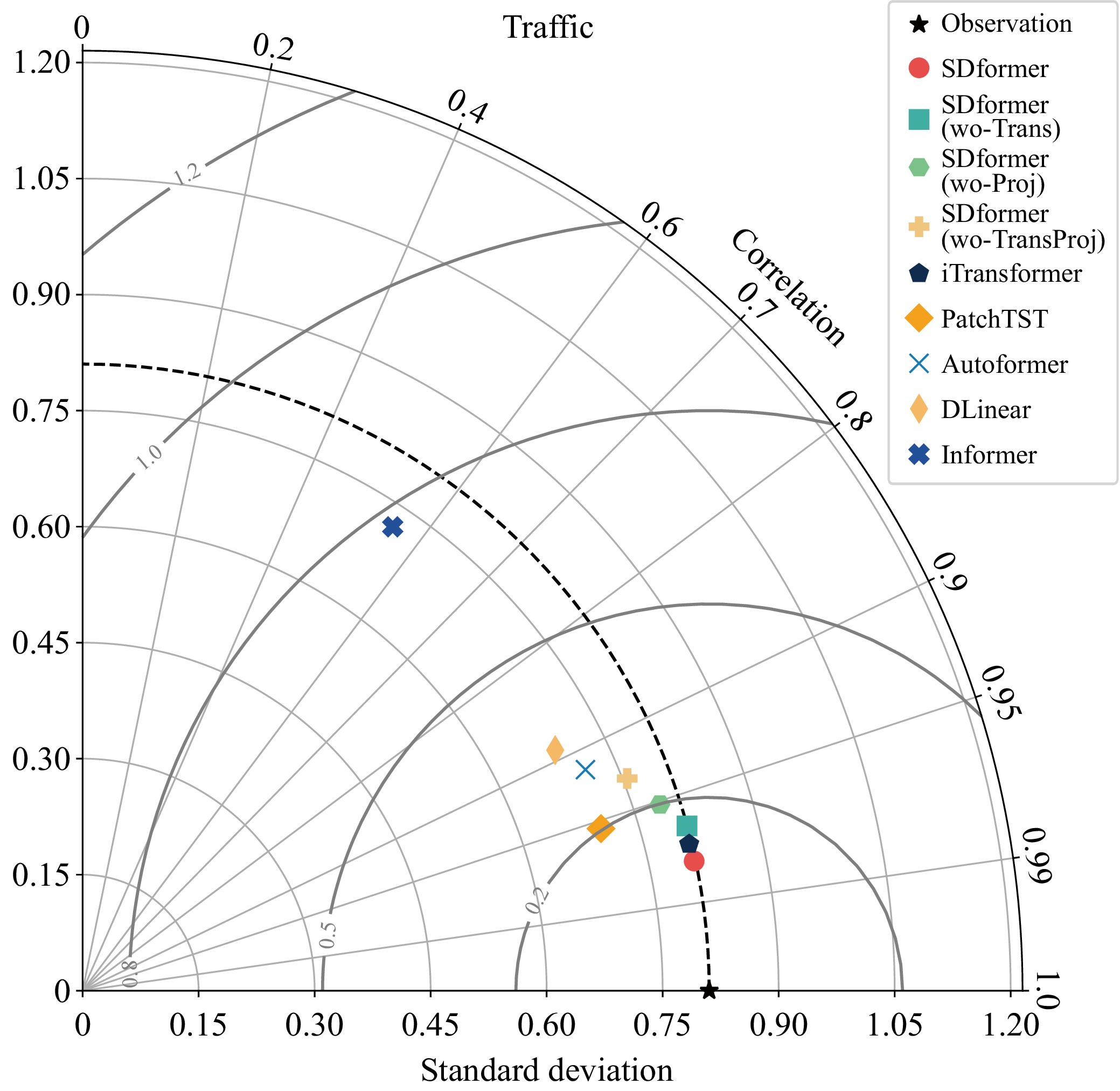
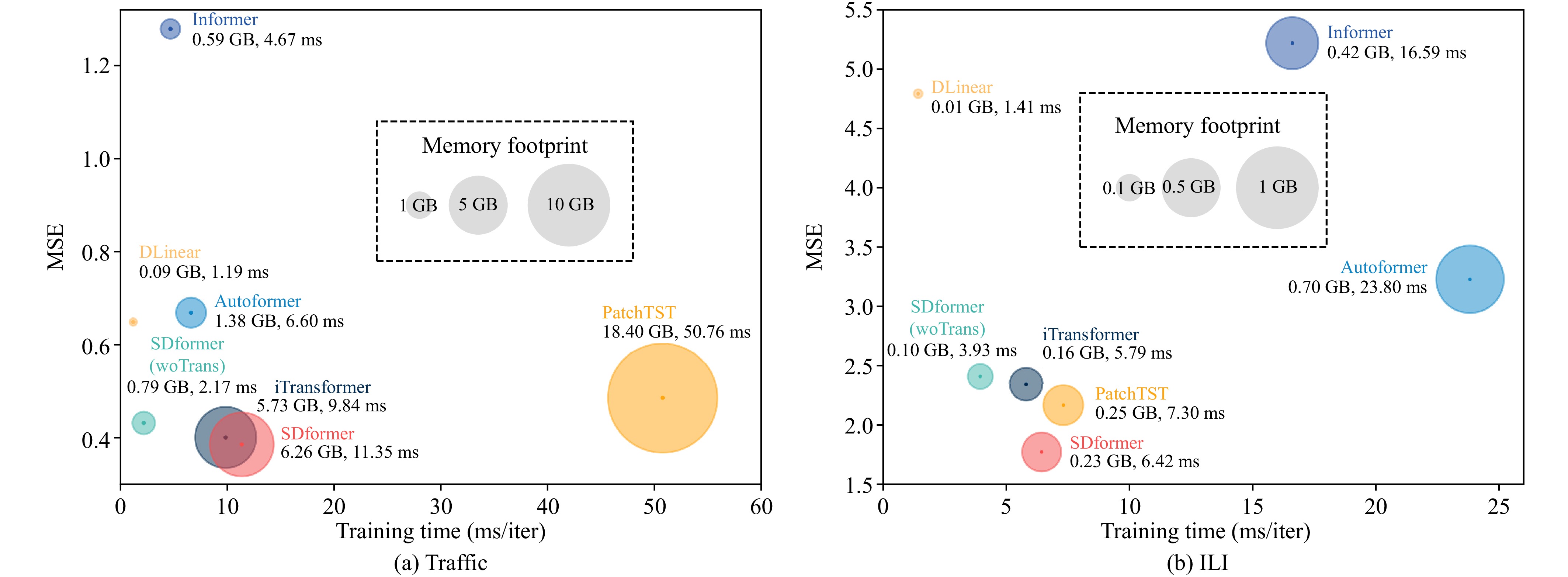
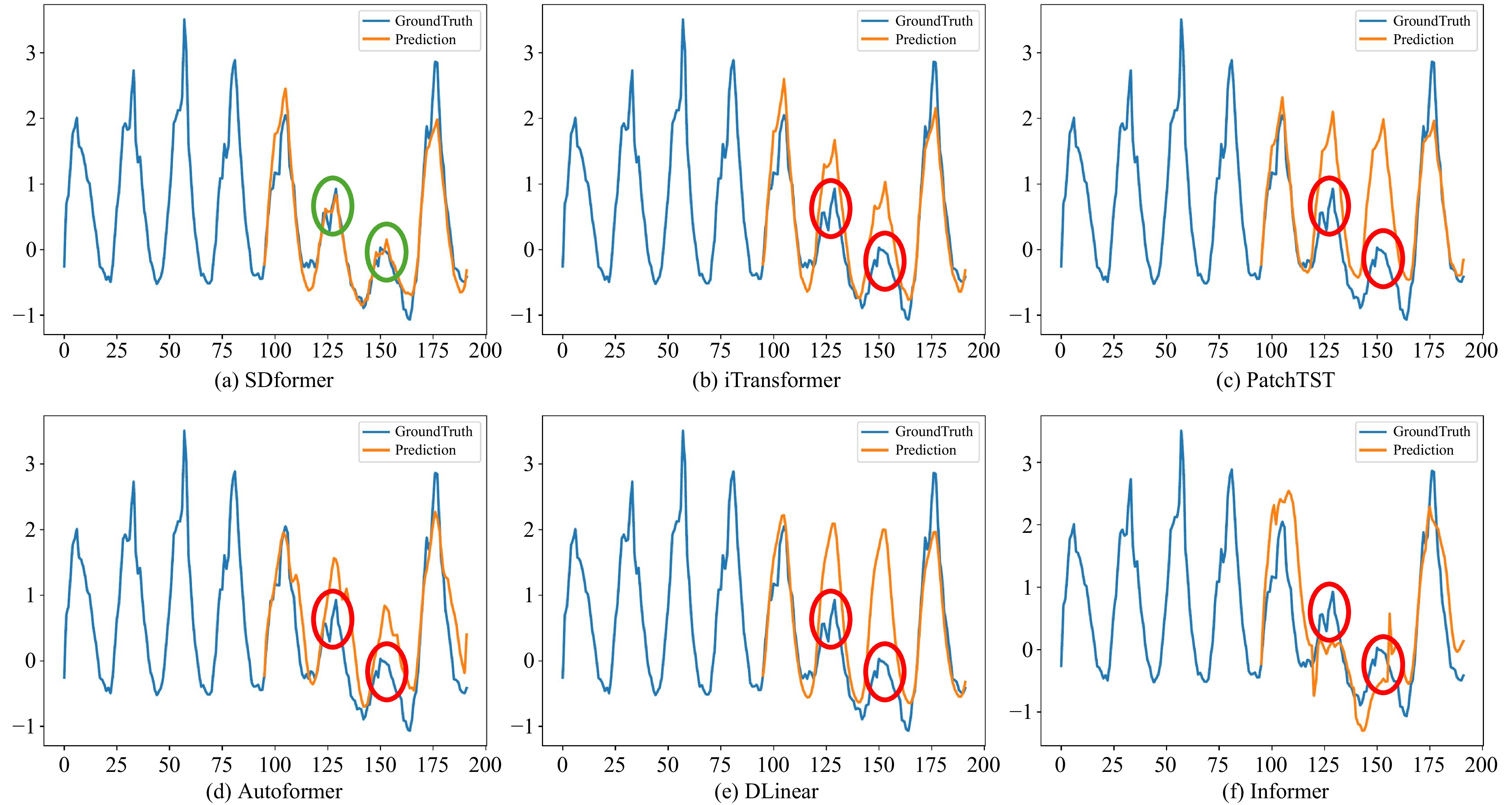
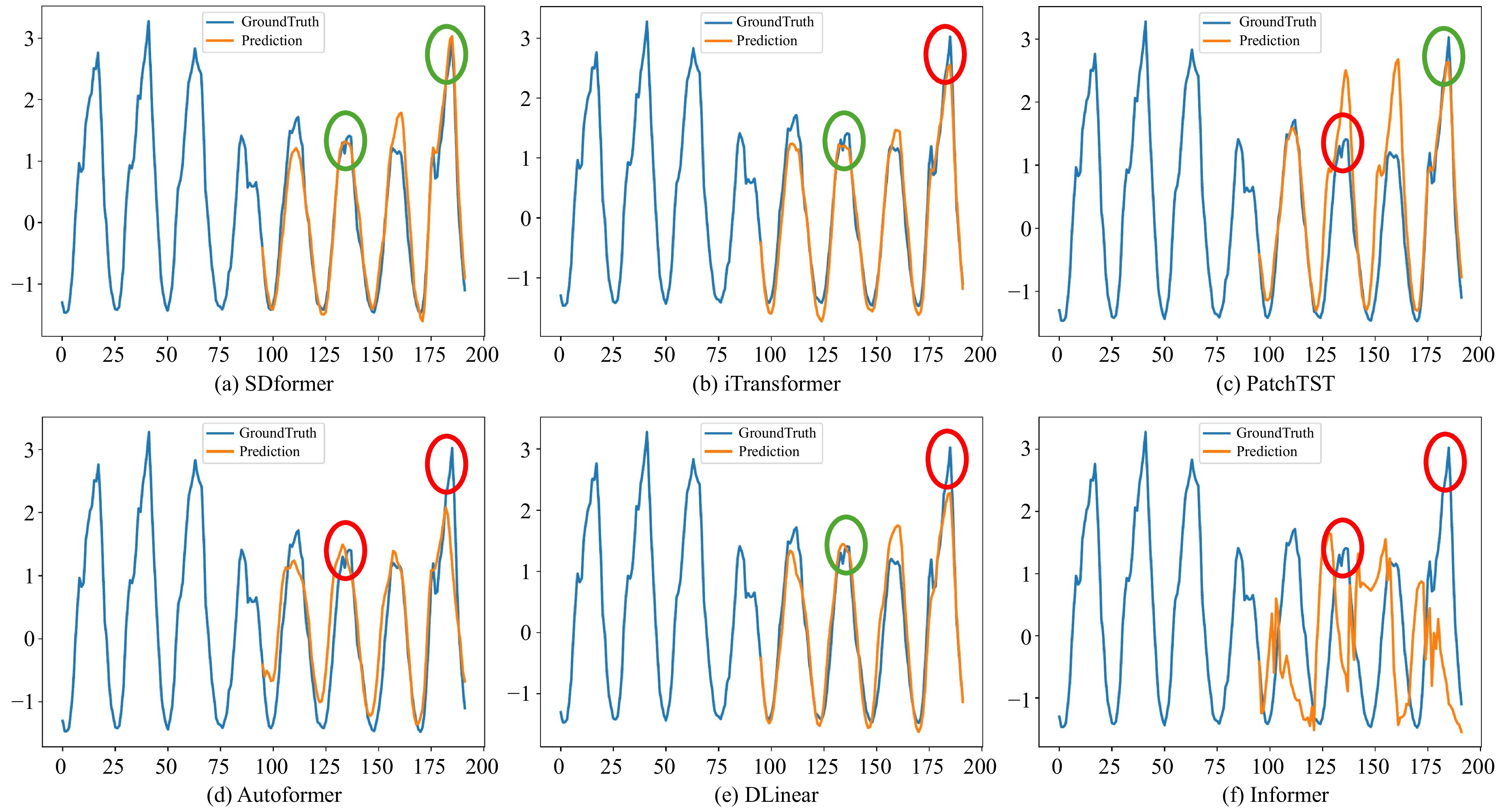
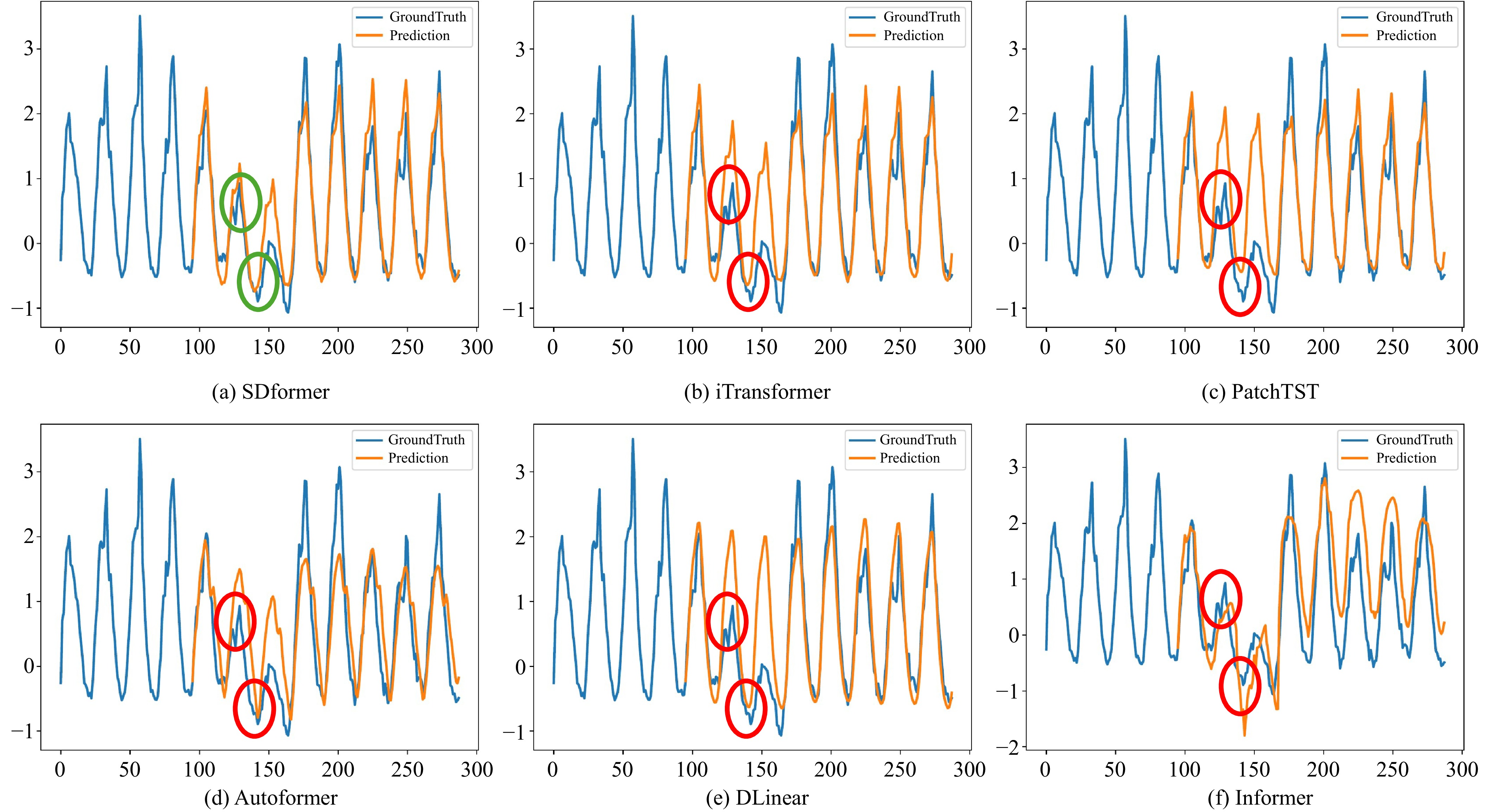
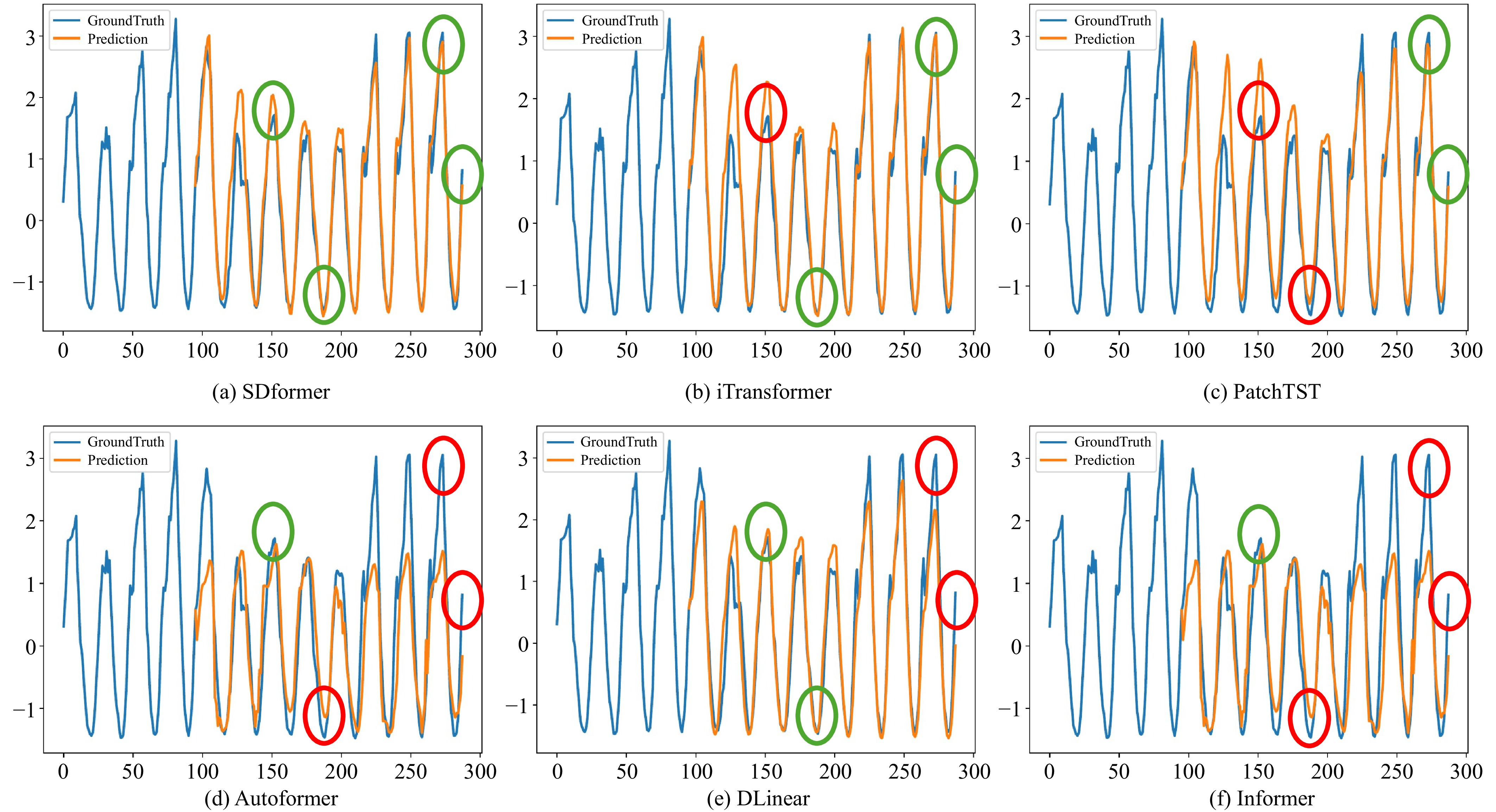
Long-term time series forecasting is crucial in numerous real-world dynamic systems and has garnered extensive research attention. In the context of time series forecasting, time series decomposition serves as an effective tool for analyzing time series data, enabling the extraction of underlying patterns and trends that enhance predictive accuracy. Despite its potential, time series decomposition has been underutilized in existing models that incorporate decomposition architectures, particularly in feature extraction. To address this gap, we propose the series decomposition encoder (SDE) block, which separates time series data into seasonal and trend components. By leveraging these decomposed elements, the SDE block enhances the model’s ability to capture essential temporal features. We substitute the initial layer of the conventional Transformer architecture with SDE, thereby introducing the series decomposition transformer (SDformer). Empirical assessments on nine benchmark datasets substantiate that our proposed SDformer attains state-of-the-art performance in long-term forecasting. The code implementation is available at the provided repository: https://github.com/Rirock/SDformer.
Spatiotemporal Graph Neural Network-Incorporated Latent Factorization of Tensors for Dynamic QoS Estimation
Xin Luo, Fanghui Bi, Tiantian He
2026, 13(7): 1642-1656. doi: 10.1109/JAS.2025.125750
Abstract(28) HTML (12) PDF(3)
Abstract:
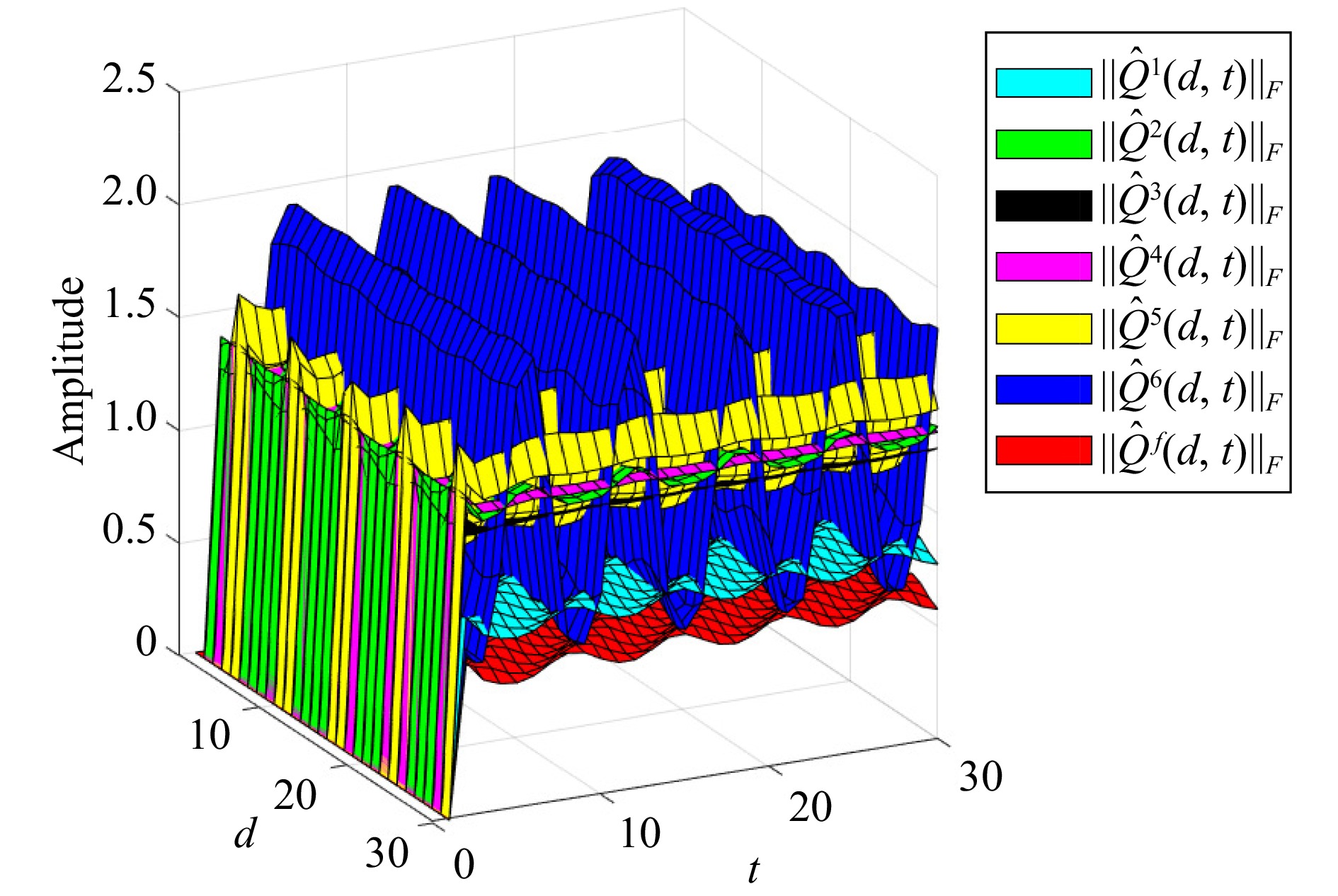
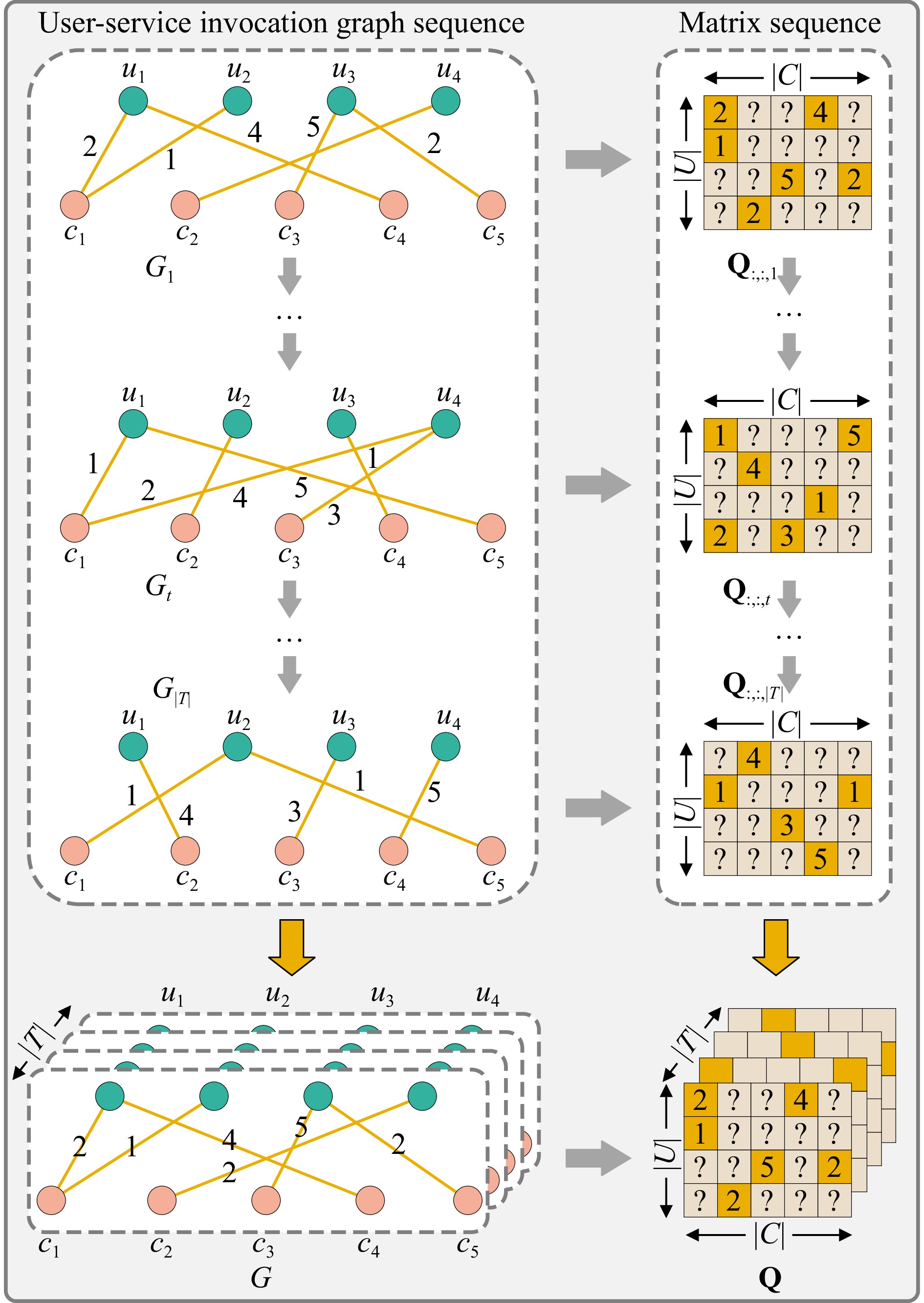
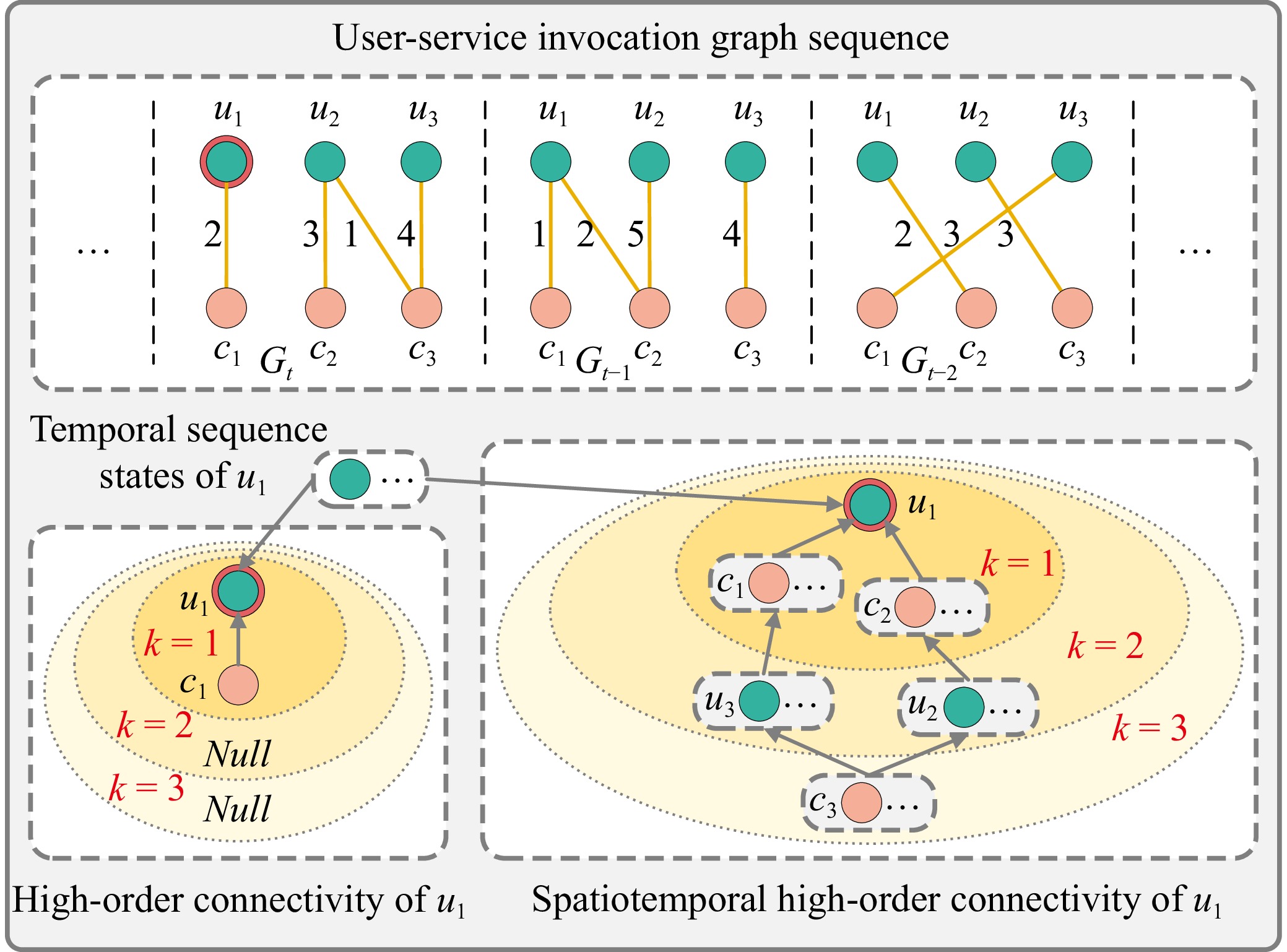
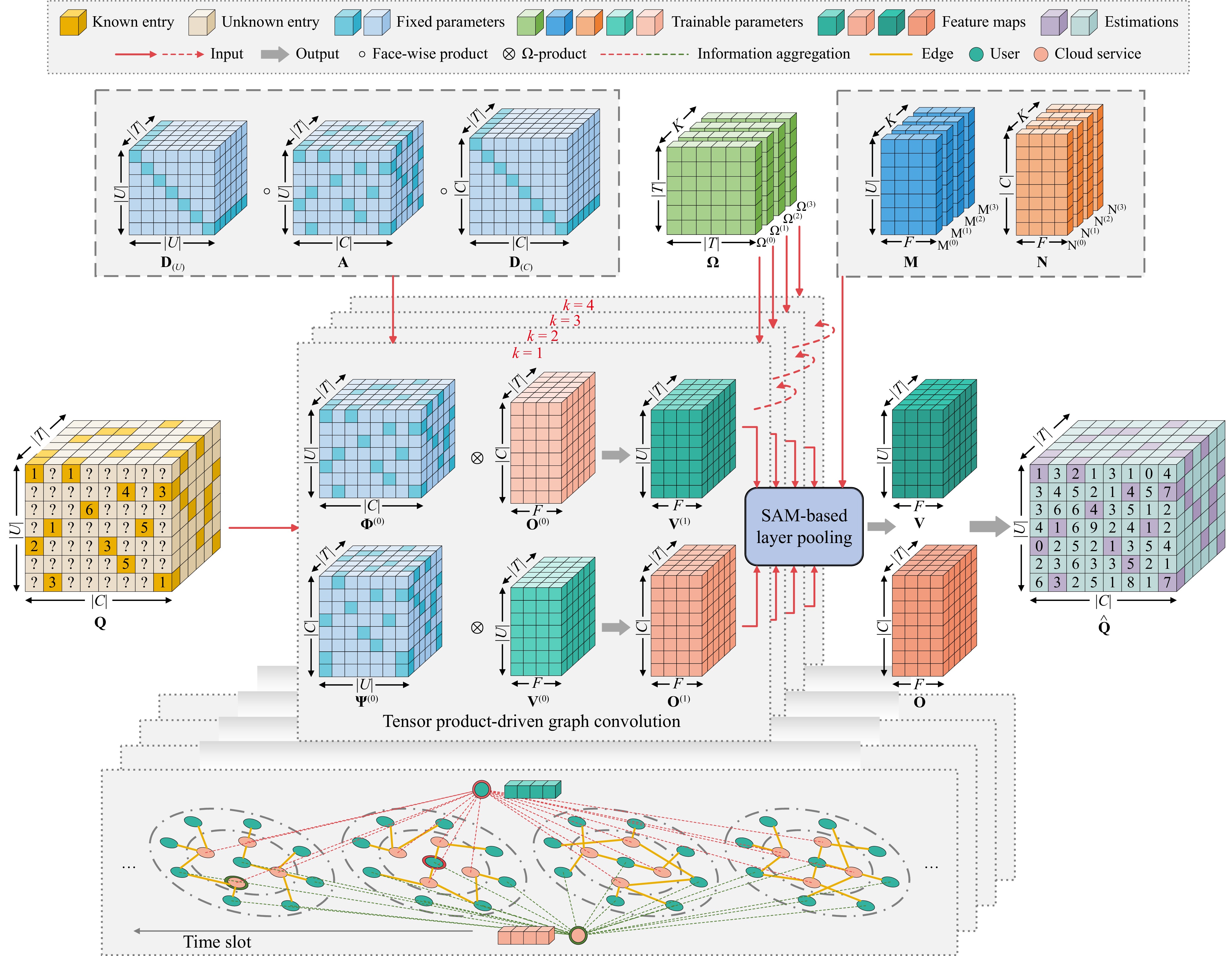
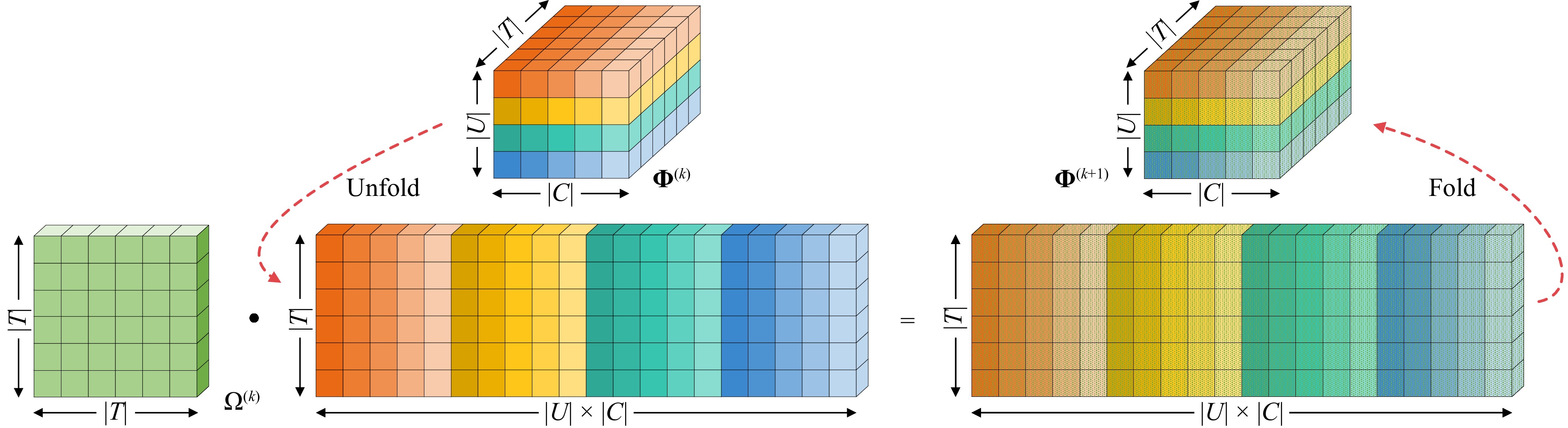
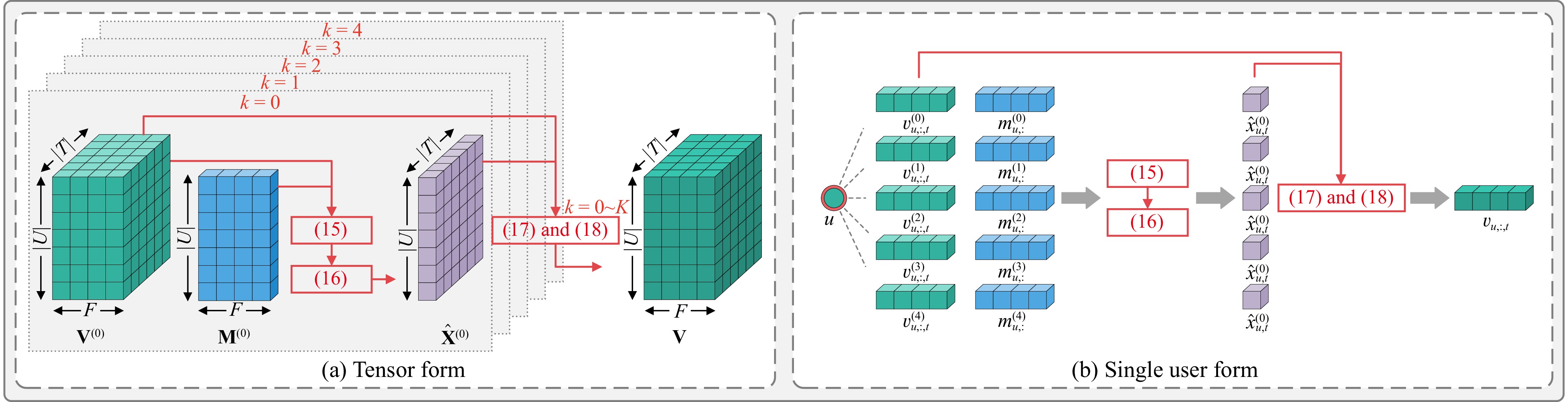
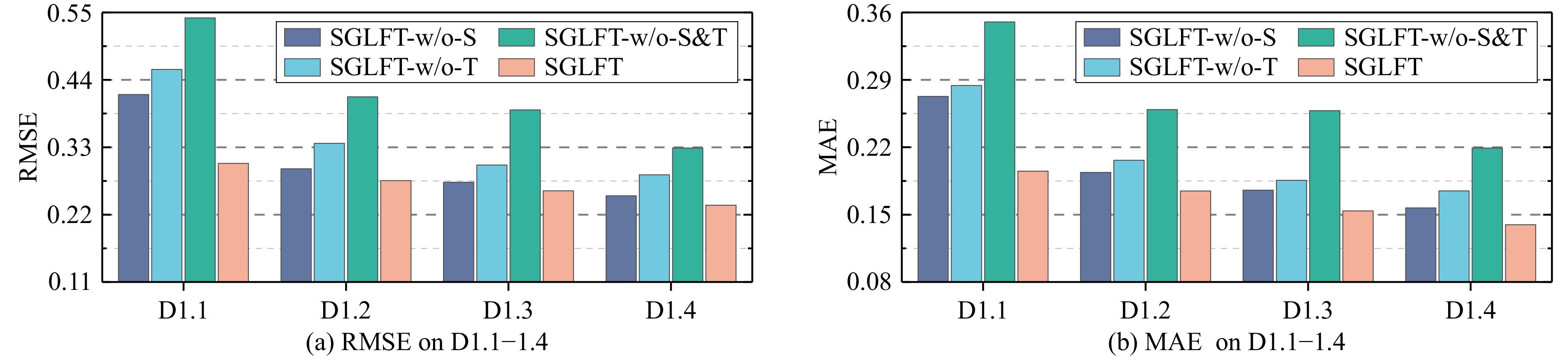
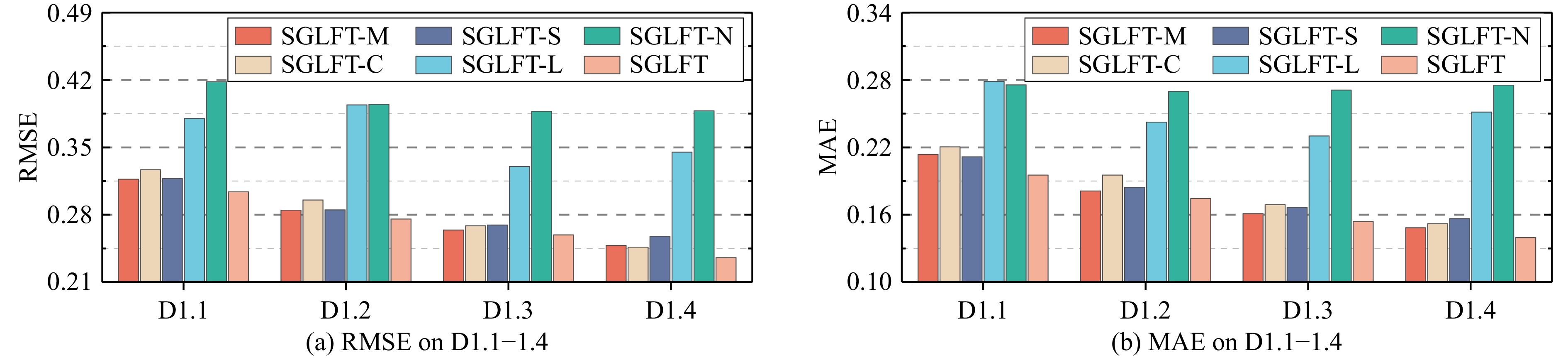
Quality of service (QoS) data that characterize historical user-service invocations that vary over time are vital to discovering patterns of cloud services and understanding user behaviors. Though effective, prevalent approaches never consider higher-order spatiotemporal connectivity within QoS data, thus suffering from inferior performance. To address this critical issue, this paper presents spatiotemporal graph convolutional network (GCN) that is equipped with the functionality of latent factorization of tensors (SGLFT). It is achieved by introducing three key innovations: 1) Proposing a tensor graph convolution based on the generalized tensor product technique for uniformly modeling the temporal and spatial patterns within dynamic user-service graphs; 2) Incorporating the built layer-wise graph convolution into tensor factorization for efficiently capturing the implied spatiotemporal high-order connectivity; and 3) Developing a node-level attention pooling mechanism to perceive feature differences among neighbors and across time slots. Theoretical derivations are conducted to demonstrate that the expressivity of the graph neural network proposed in this paper is evidently higher than that of vanilla GCNs. Empirical studies on eight large-scale testing cases arising from two real-world dynamic QoS datasets show that SGLFT substantially outperforms state-of-the-art QoS estimators regarding estimation accuracy for missing dynamic QoS data.
Protection-Strategy-Based Distributed State Estimation for Nonlinear Complex Networks Against Random False Data Injection Attacks
Jun Hu, Bingxin Lei, Raquel Caballero-Águila, Hongli Dong
2026, 13(7): 1657-1672. doi: 10.1109/JAS.2025.125951
Abstract(19) HTML (11) PDF(3)
Abstract:
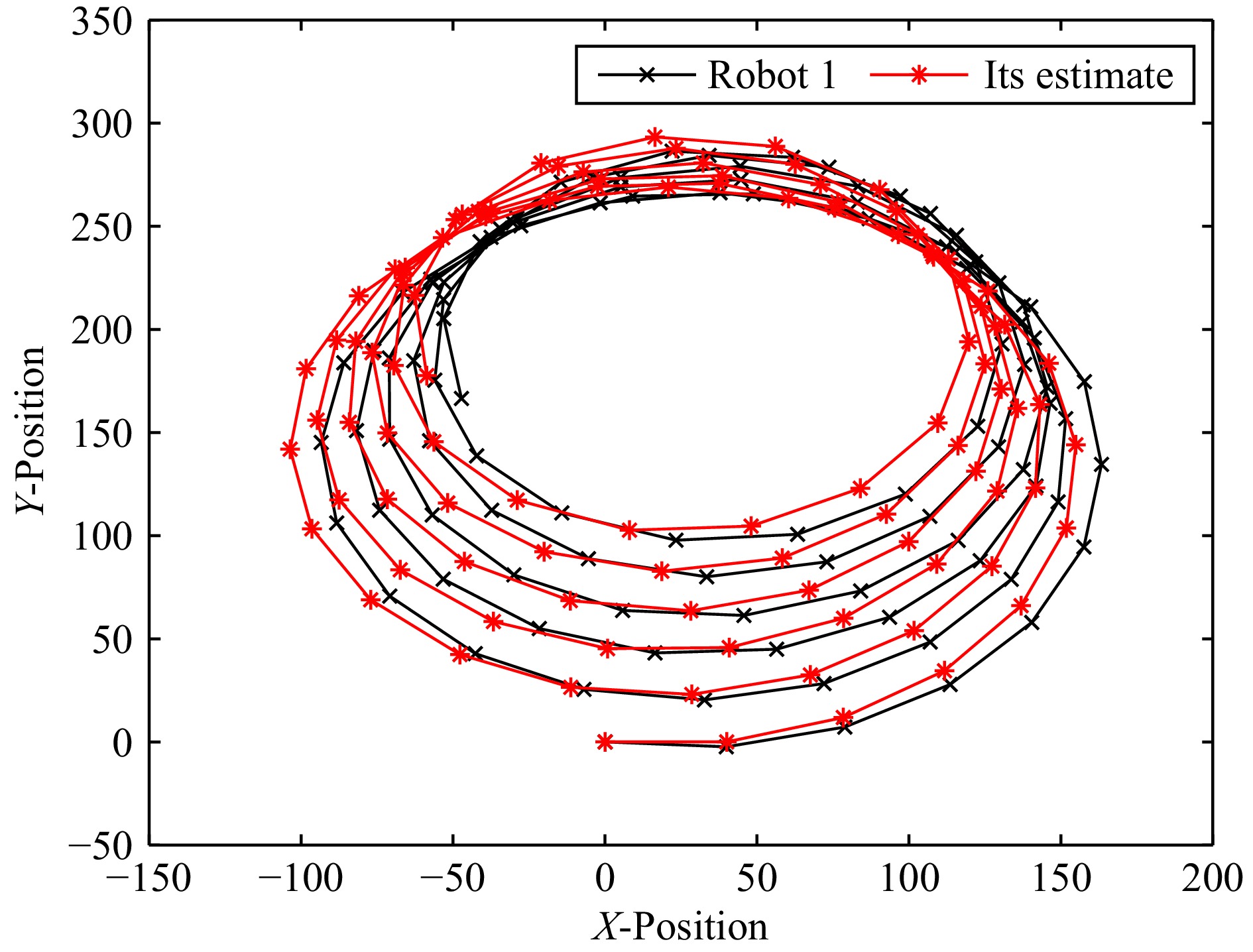
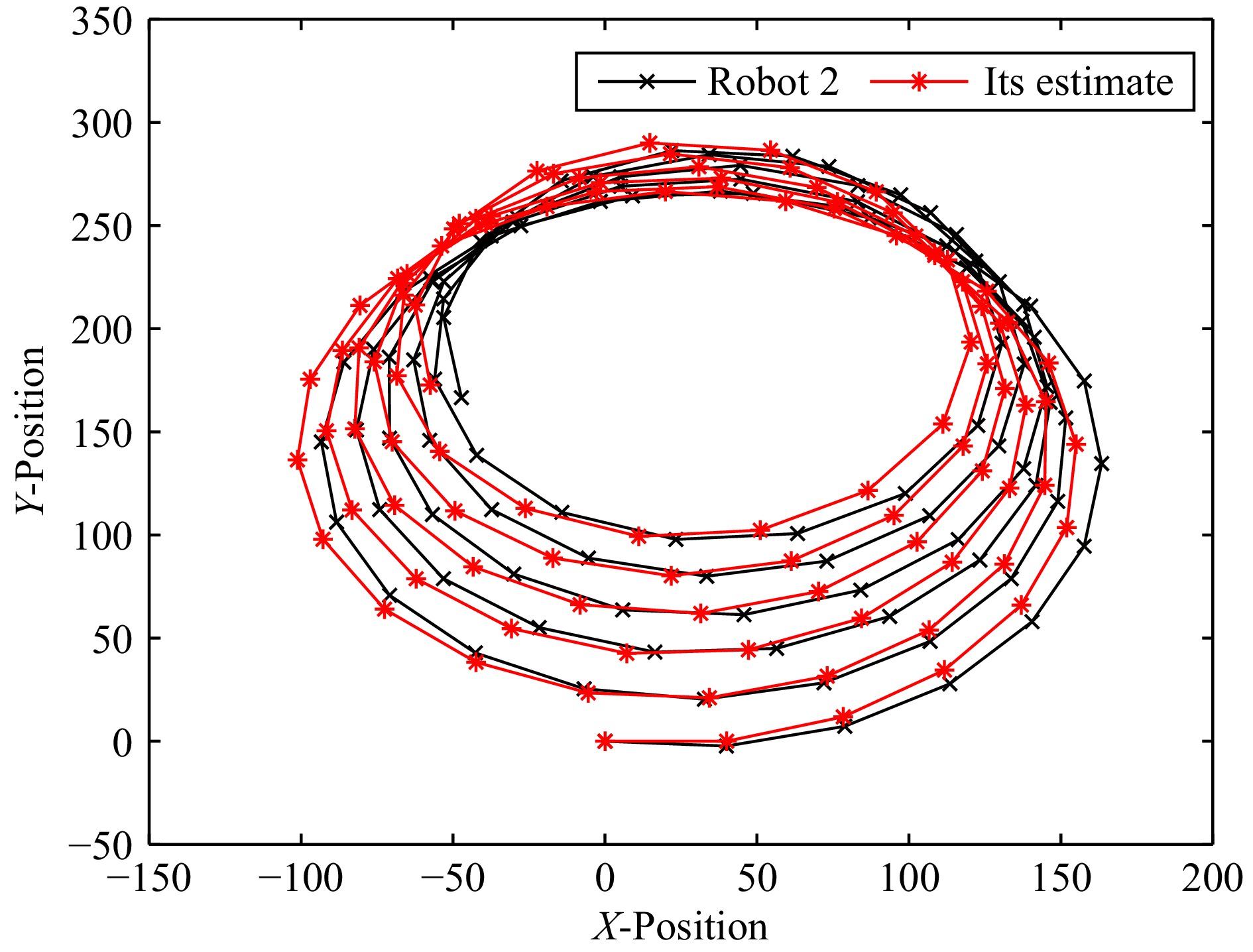
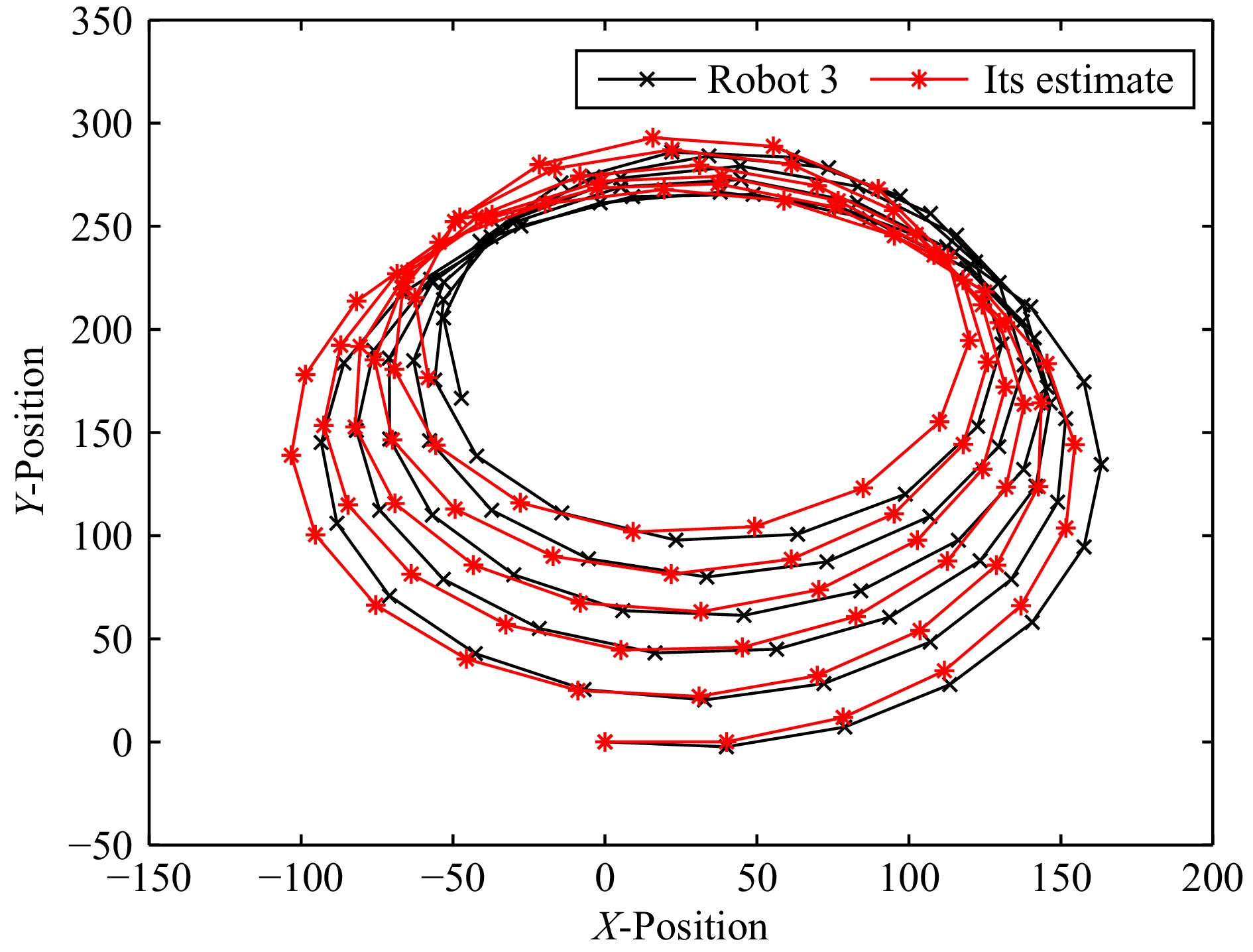
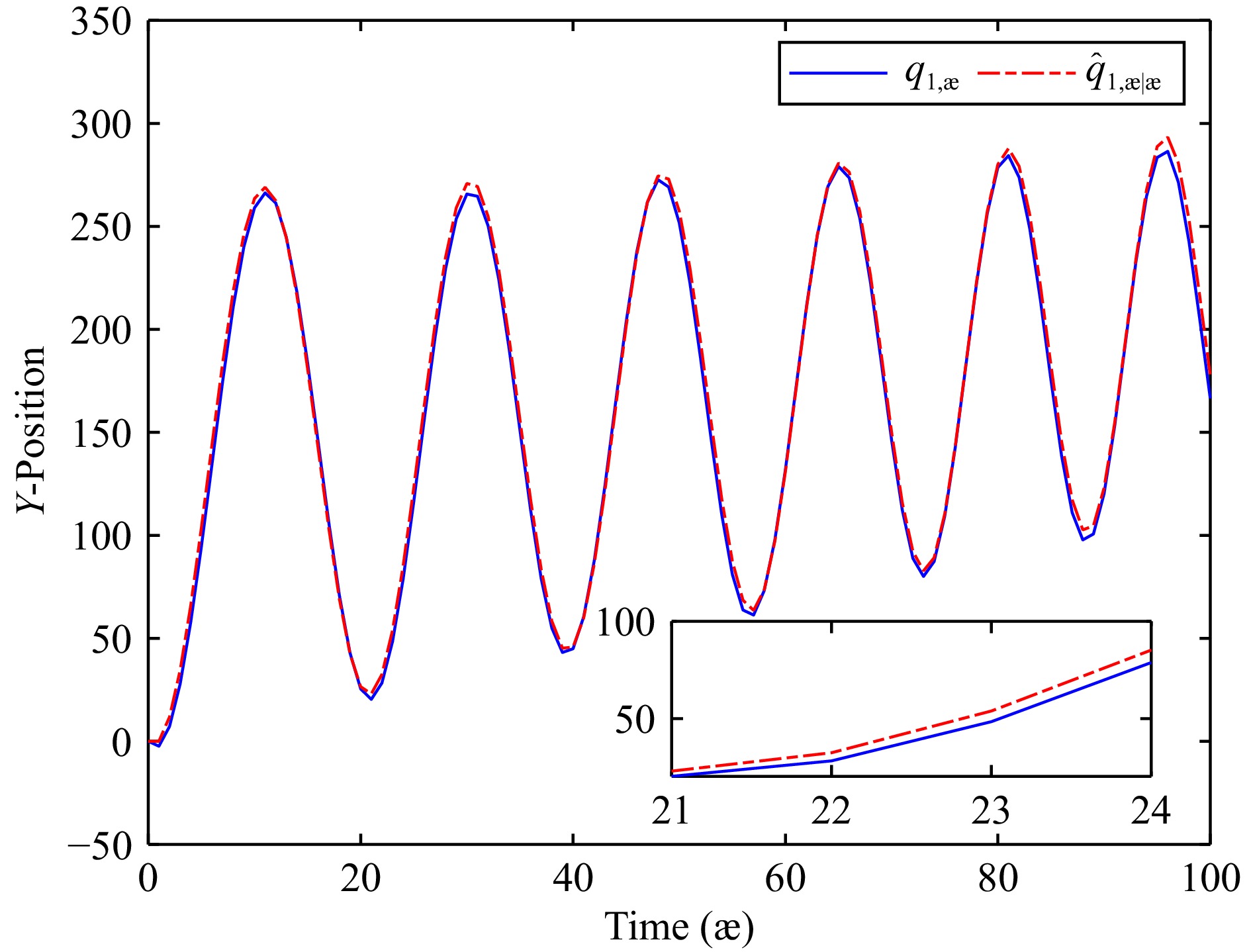
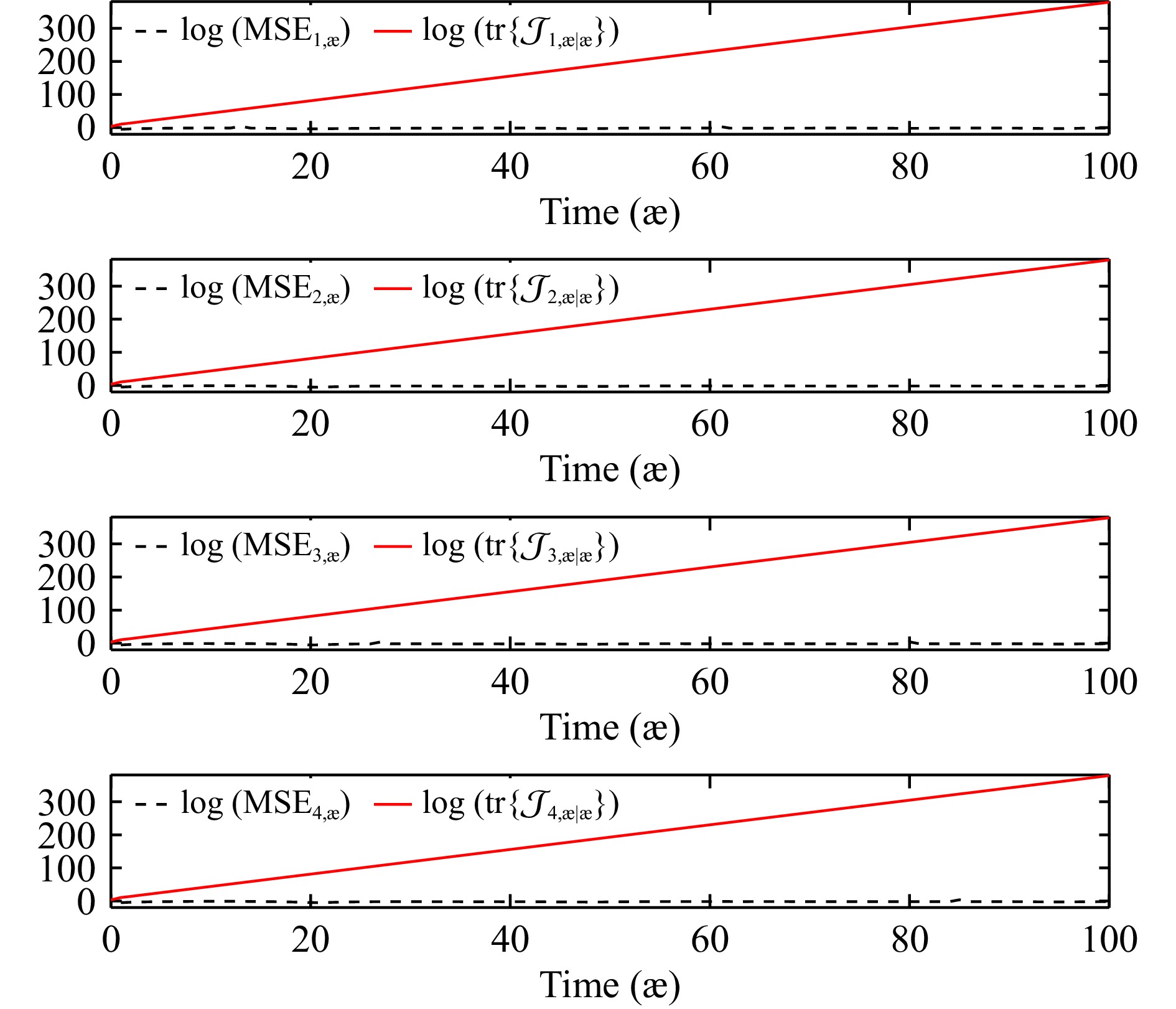
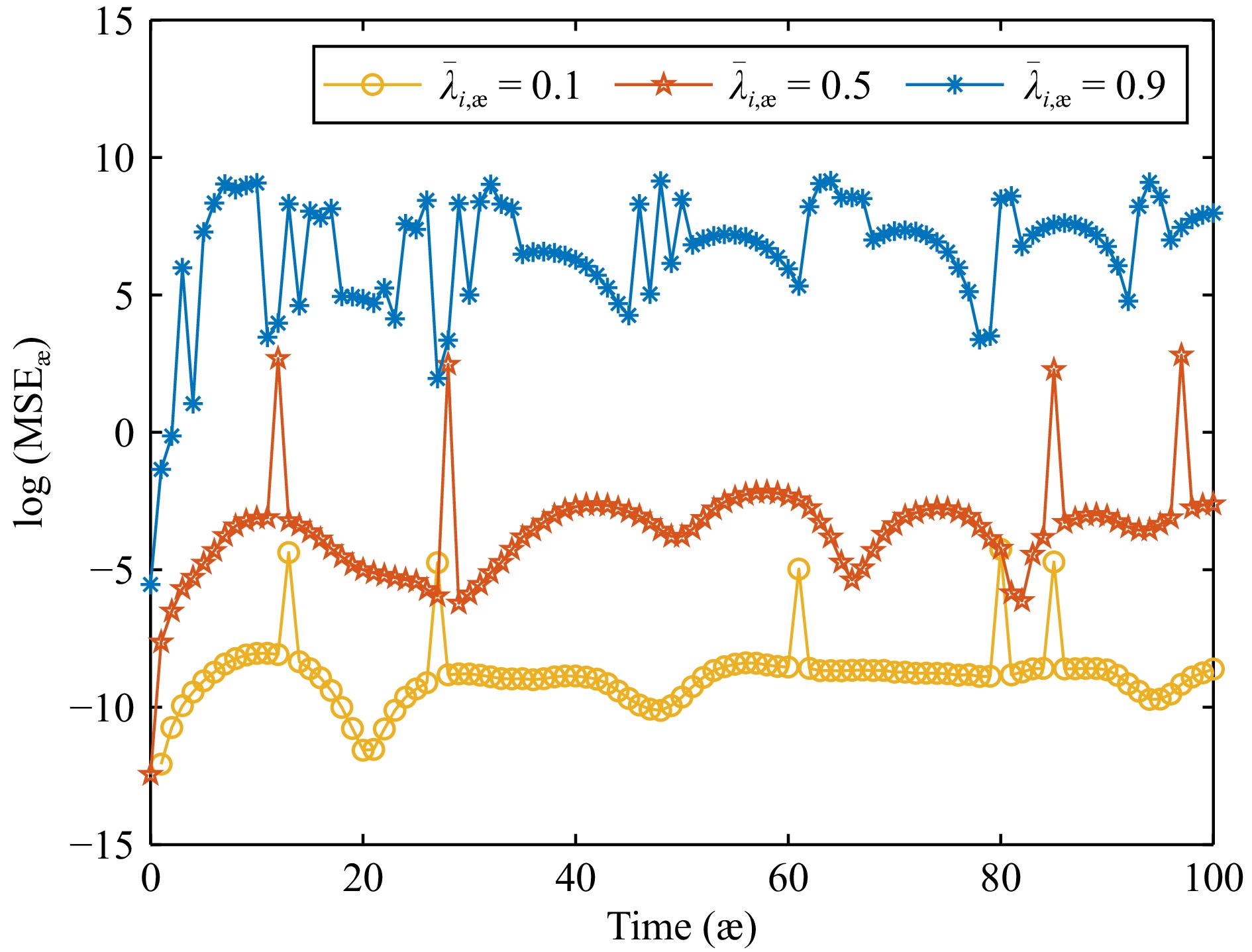
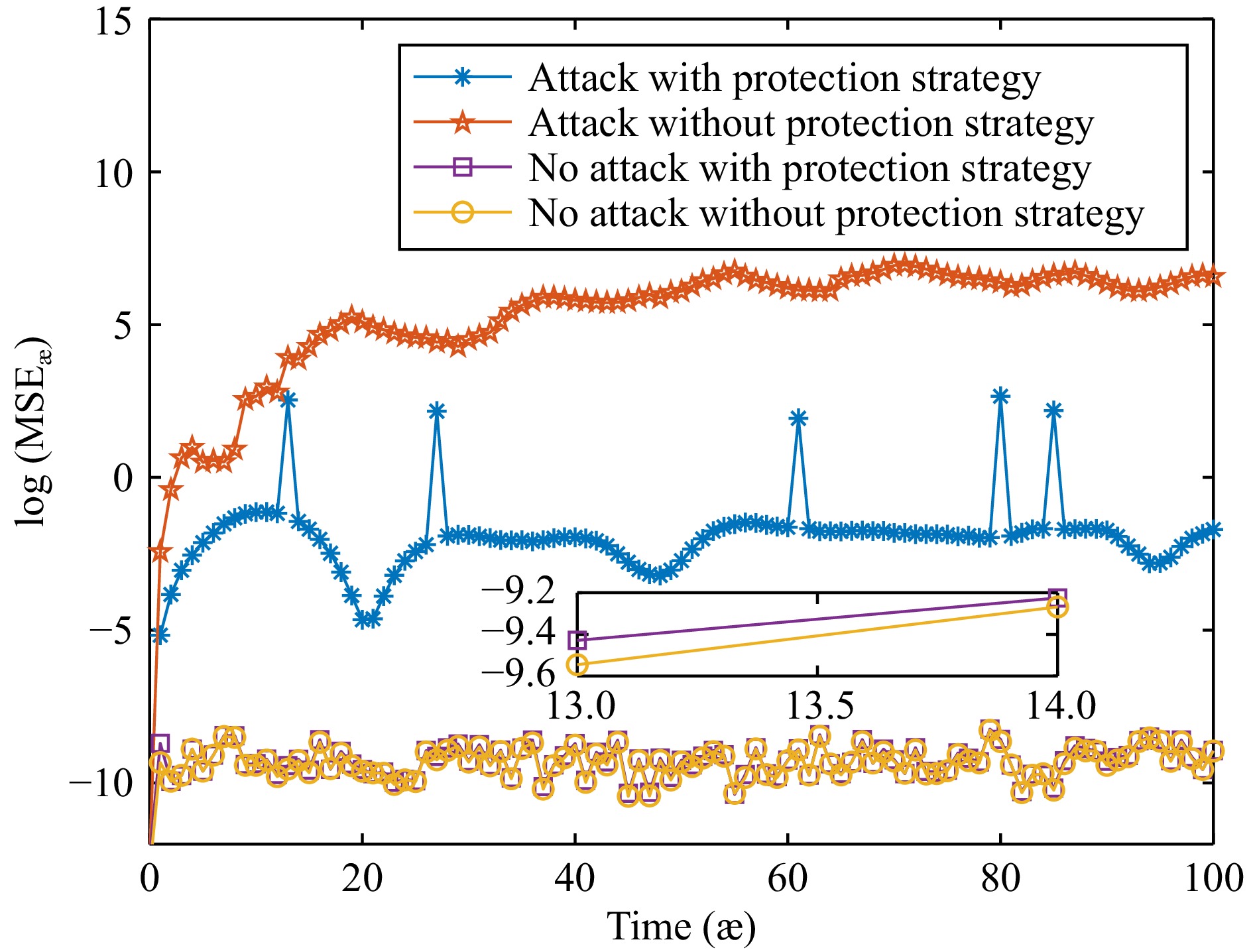
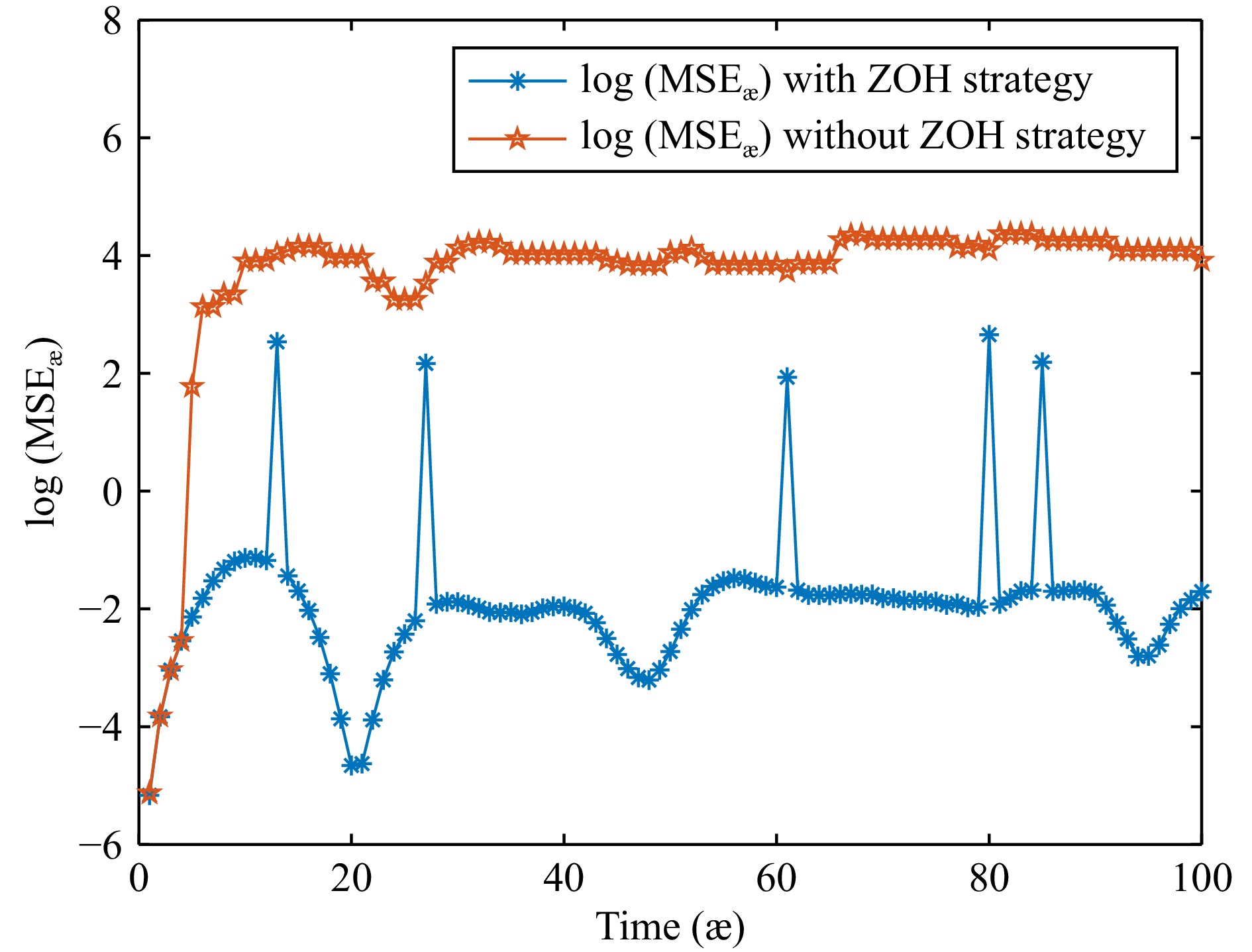
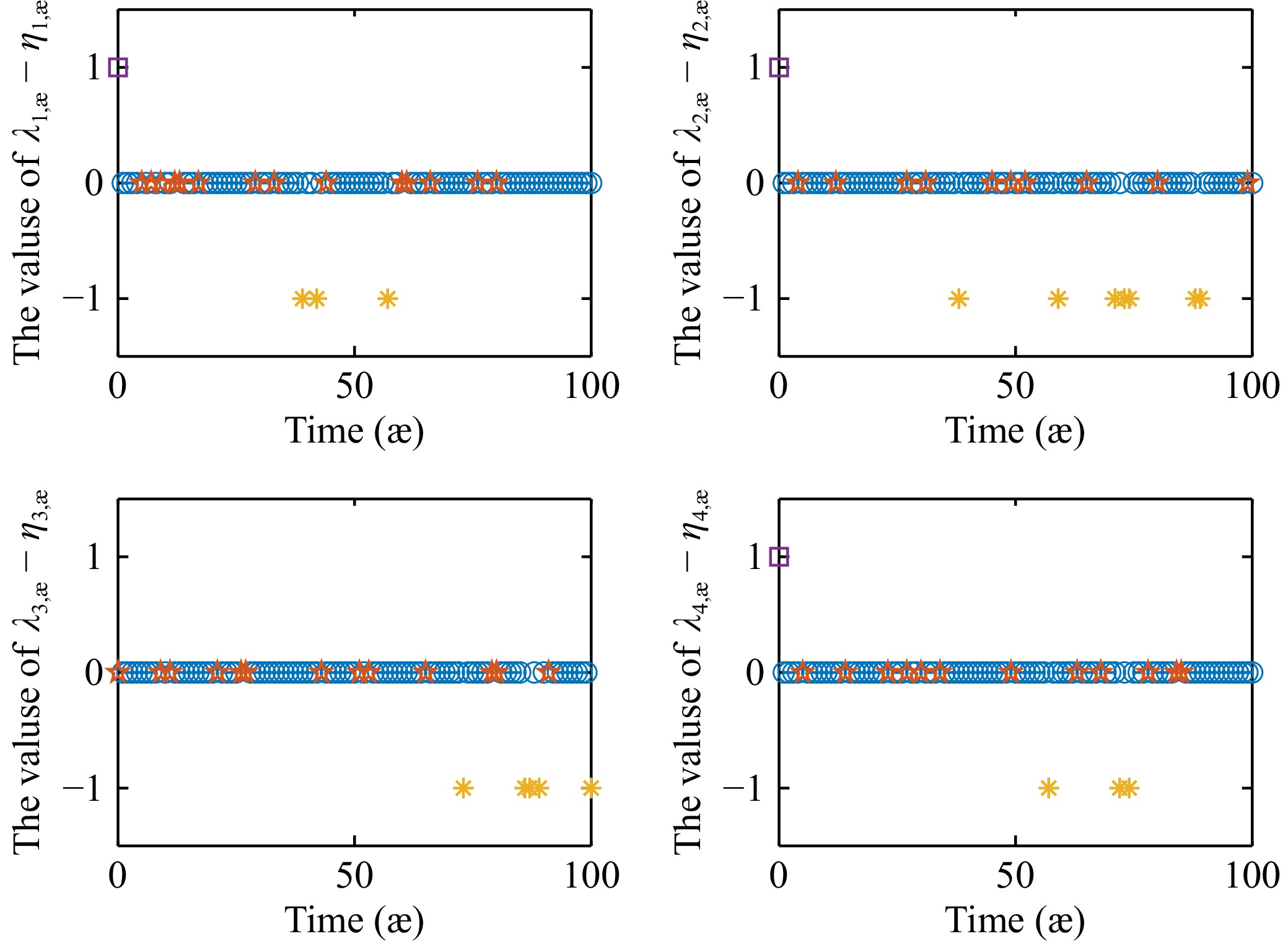
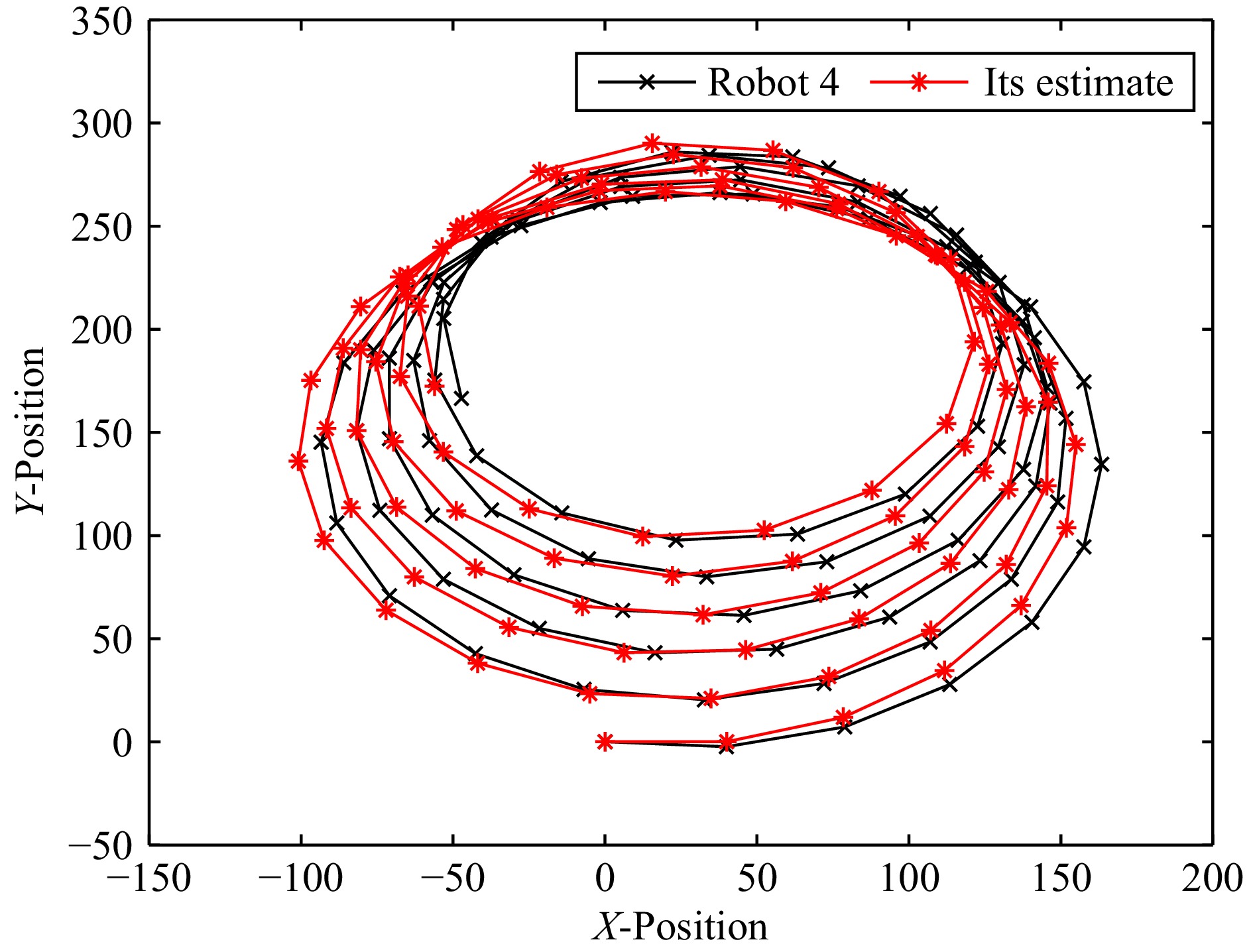
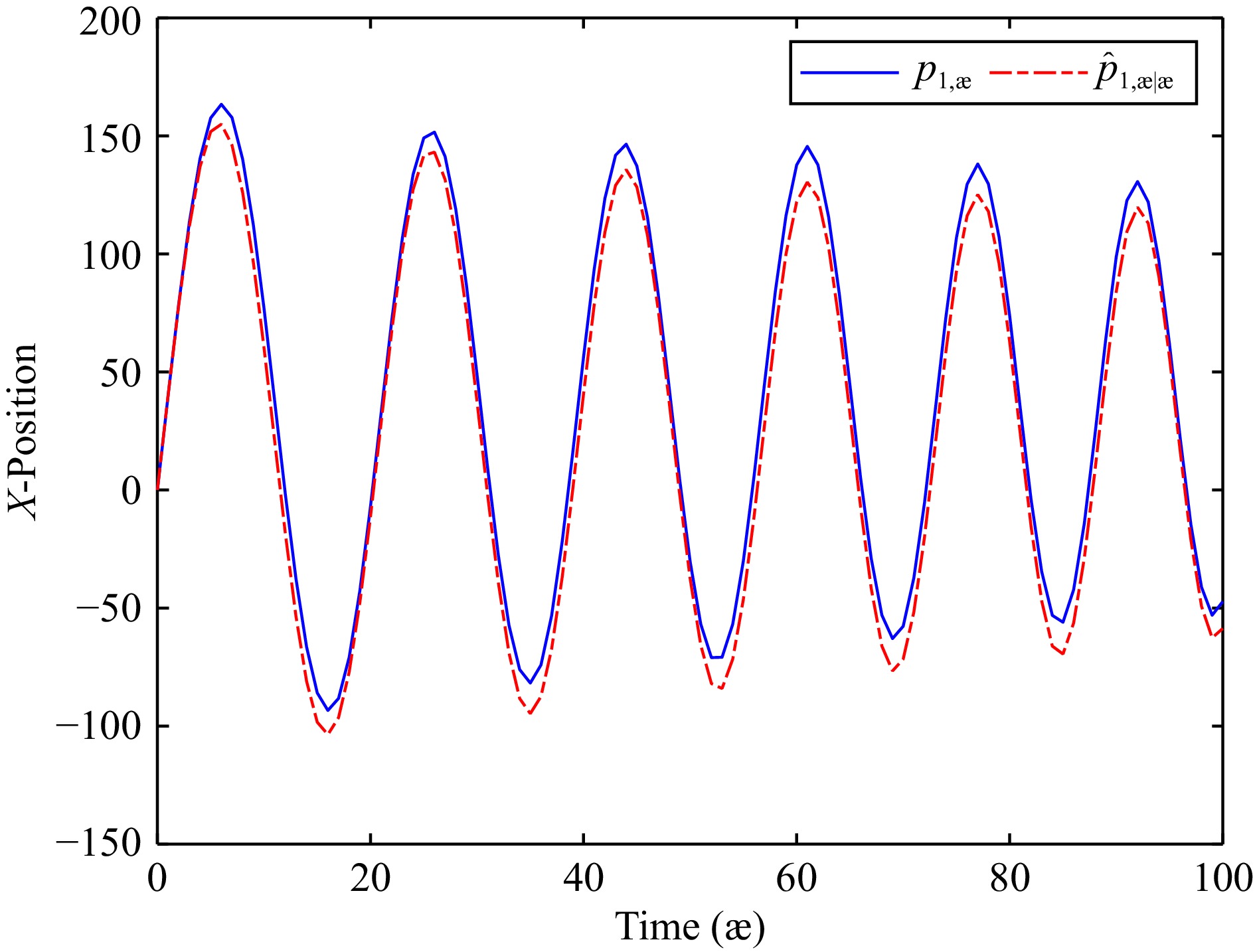
This paper addresses the protection-strategy-based distributed state estimation (SE) problem for time-varying nonlinear complex networks, where uncertain inner coupling and random false data injection attacks are considered. Owing to the fact that the measurement signals can be easily injected with false data by potential attackers before being transmitted to the estimator, a novel protection strategy is firstly proposed from the perspective of the defender to mitigate the effects of malicious attacks on the estimation performance. Based on the proposed protection strategy, more suspicious and unreliable measurements received are identified and discarded respectively. Accordingly, the zero-order holder strategy is employed to compensate for the discarded measurements. Subsequently, the purpose of this paper is to design a protection-strategy-based distributed SE scheme such that an optimized upper bound (UB) on the estimation error covariance (EEC) is obtained. Furthermore, a sufficient criterion is provided to guarantee the uniform boundedness of UB on the EEC. Finally, a localization problem involving multiple mobile robots is used to demonstrate the effectiveness and practicality of proposed variance-constrained optimized SE method.
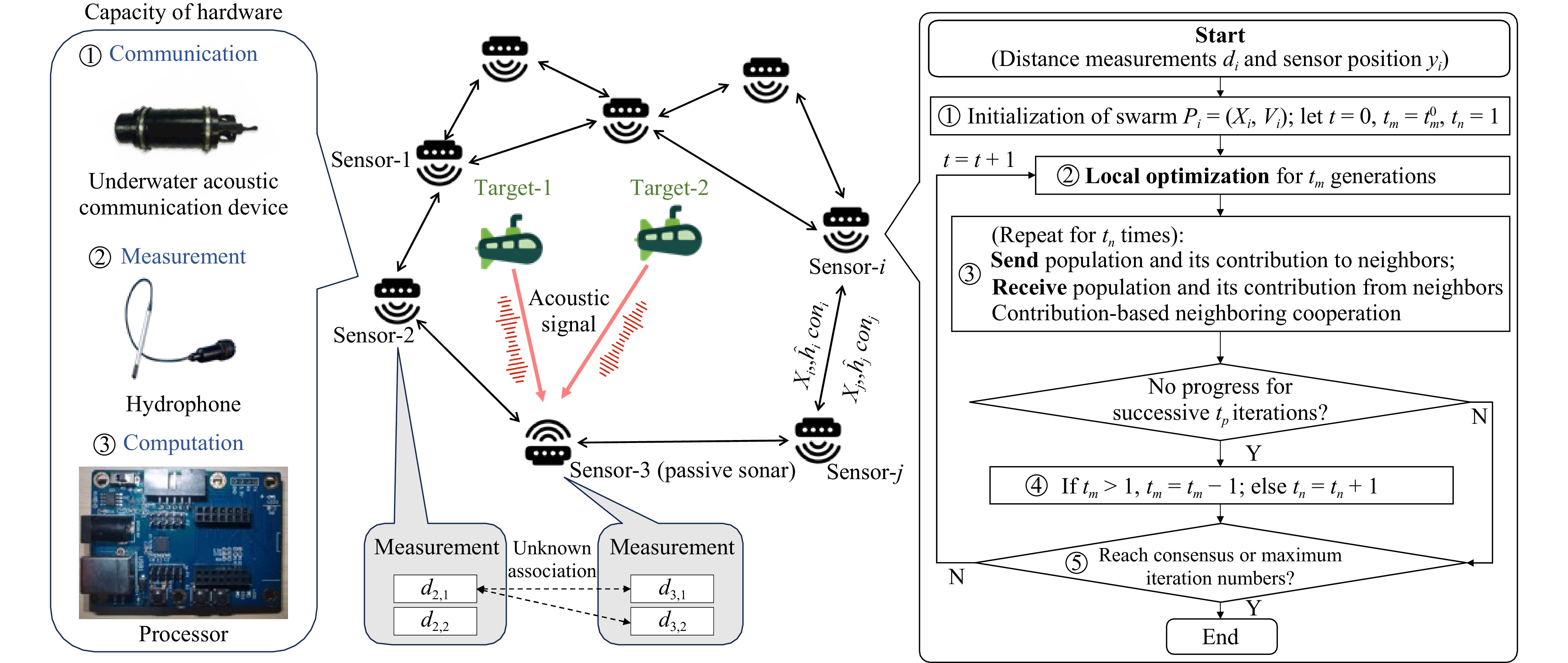
Multi-Agent Swarm Optimization Method With Contribution-Based Cooperation for Distributed Multi-Target Localization and Data Association
Taiyou Chen, Xiaomin Hu, Qiuzhen Lin, Weineng Chen
2026, 13(7): 1673-1688. doi: 10.1109/JAS.2025.125150
Abstract(2810) HTML (16) PDF(173)
Abstract:
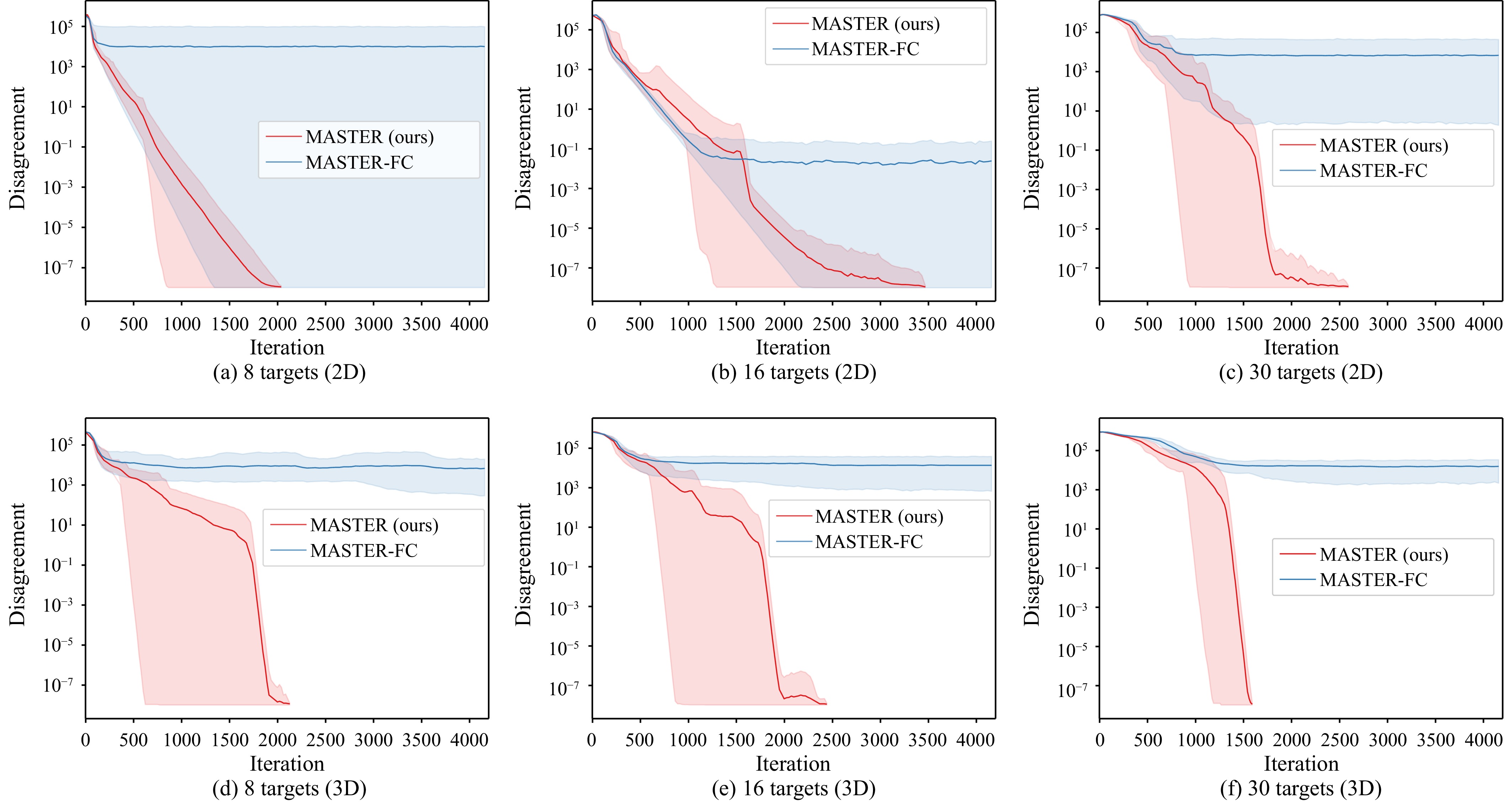
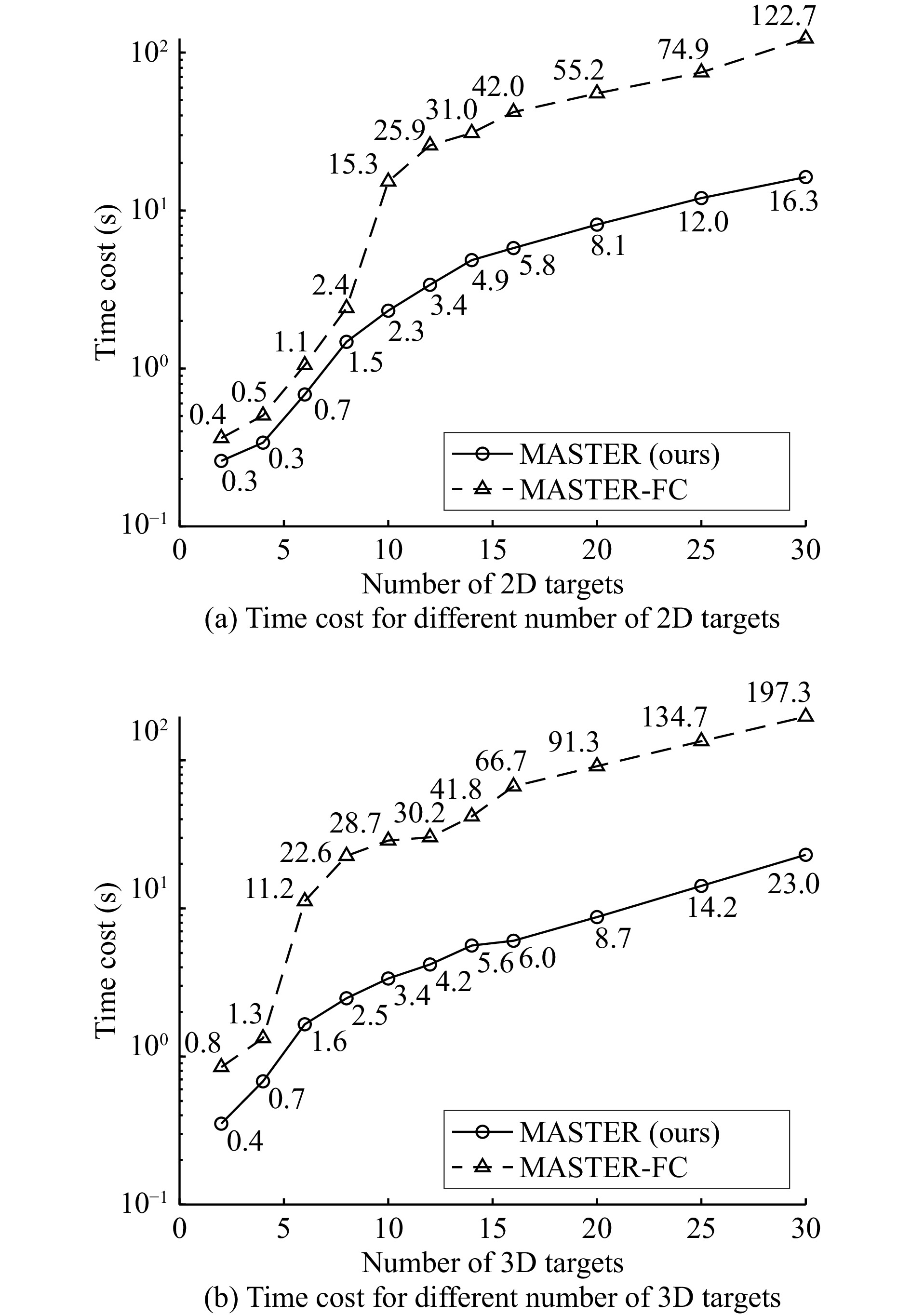
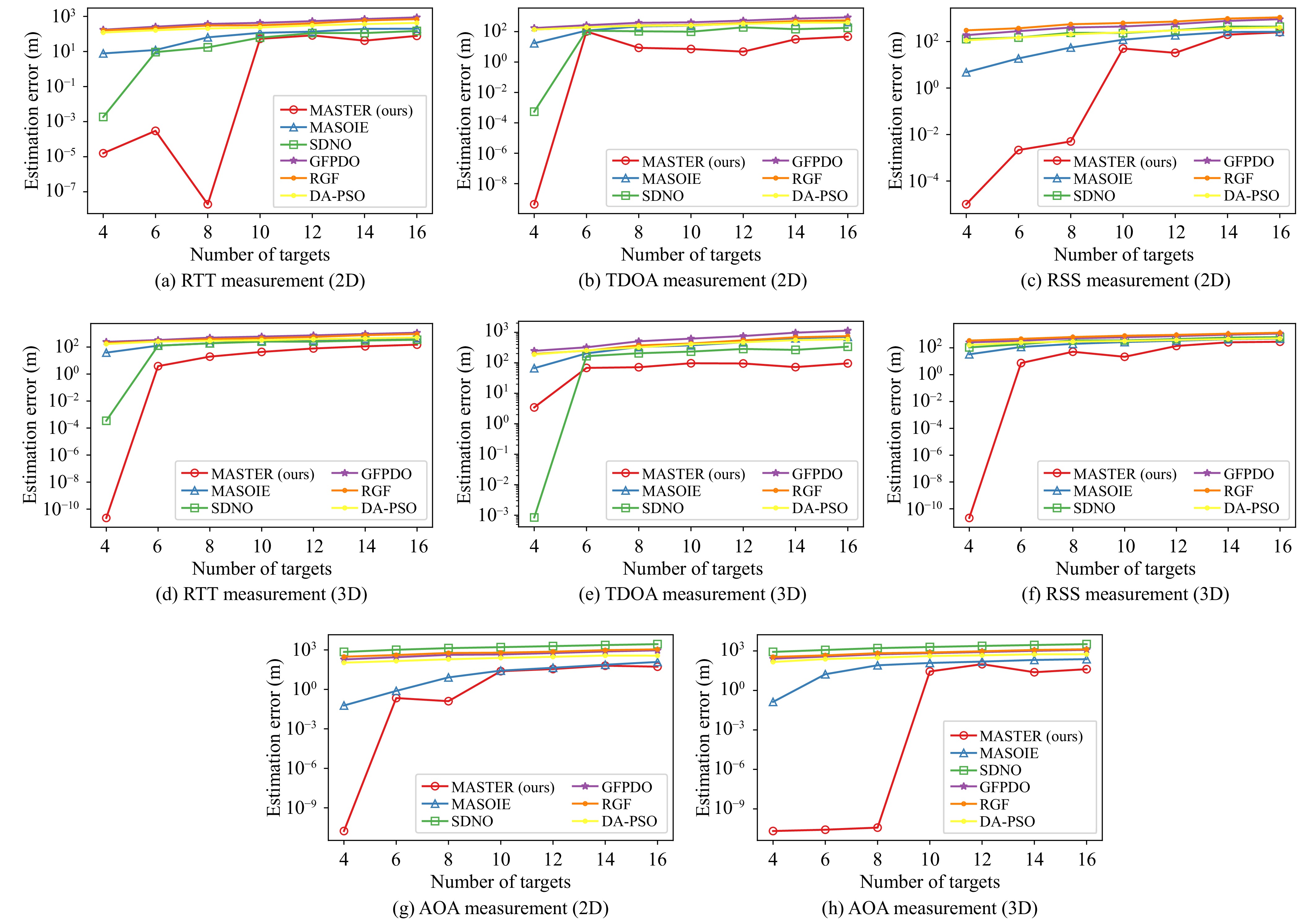
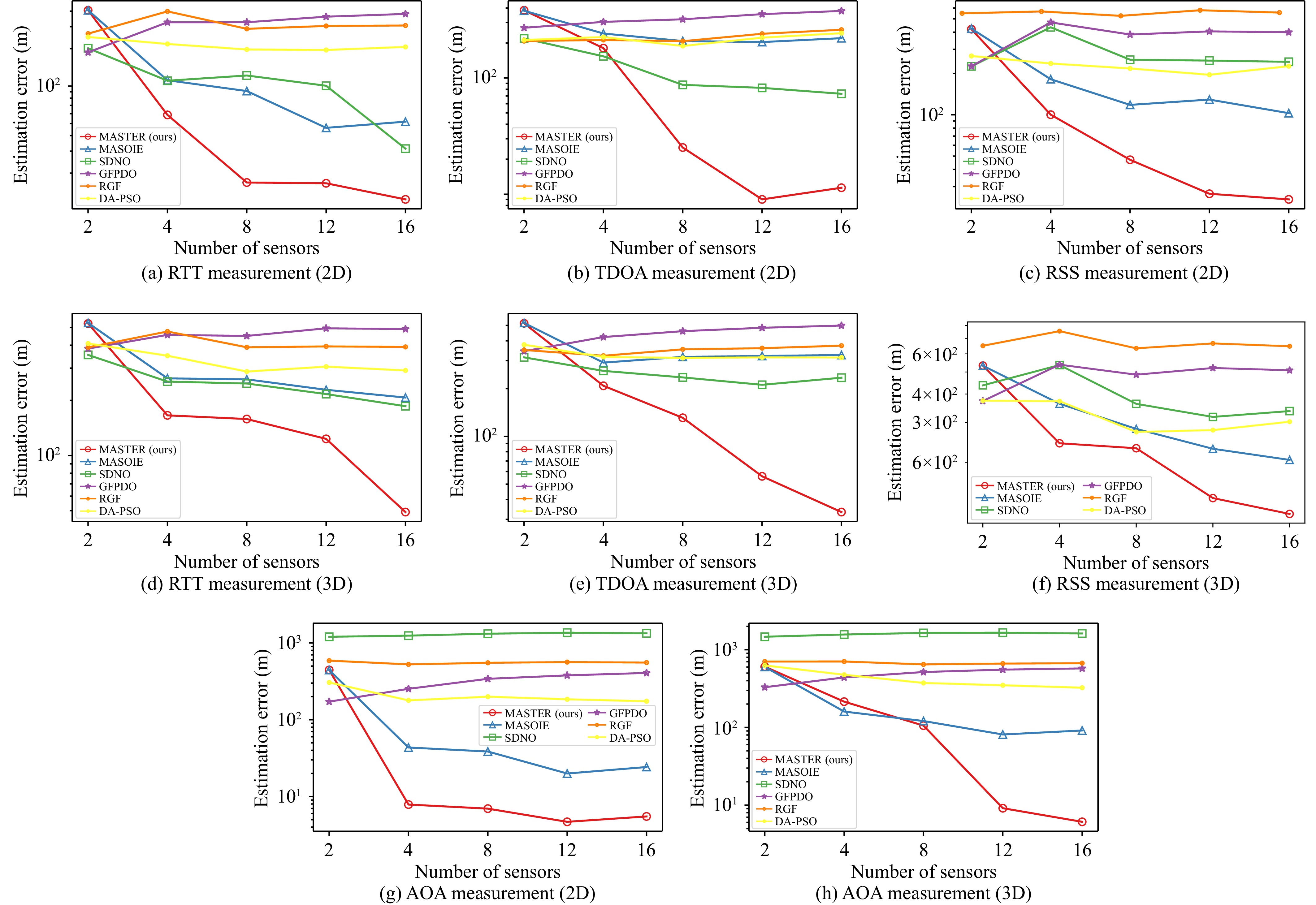
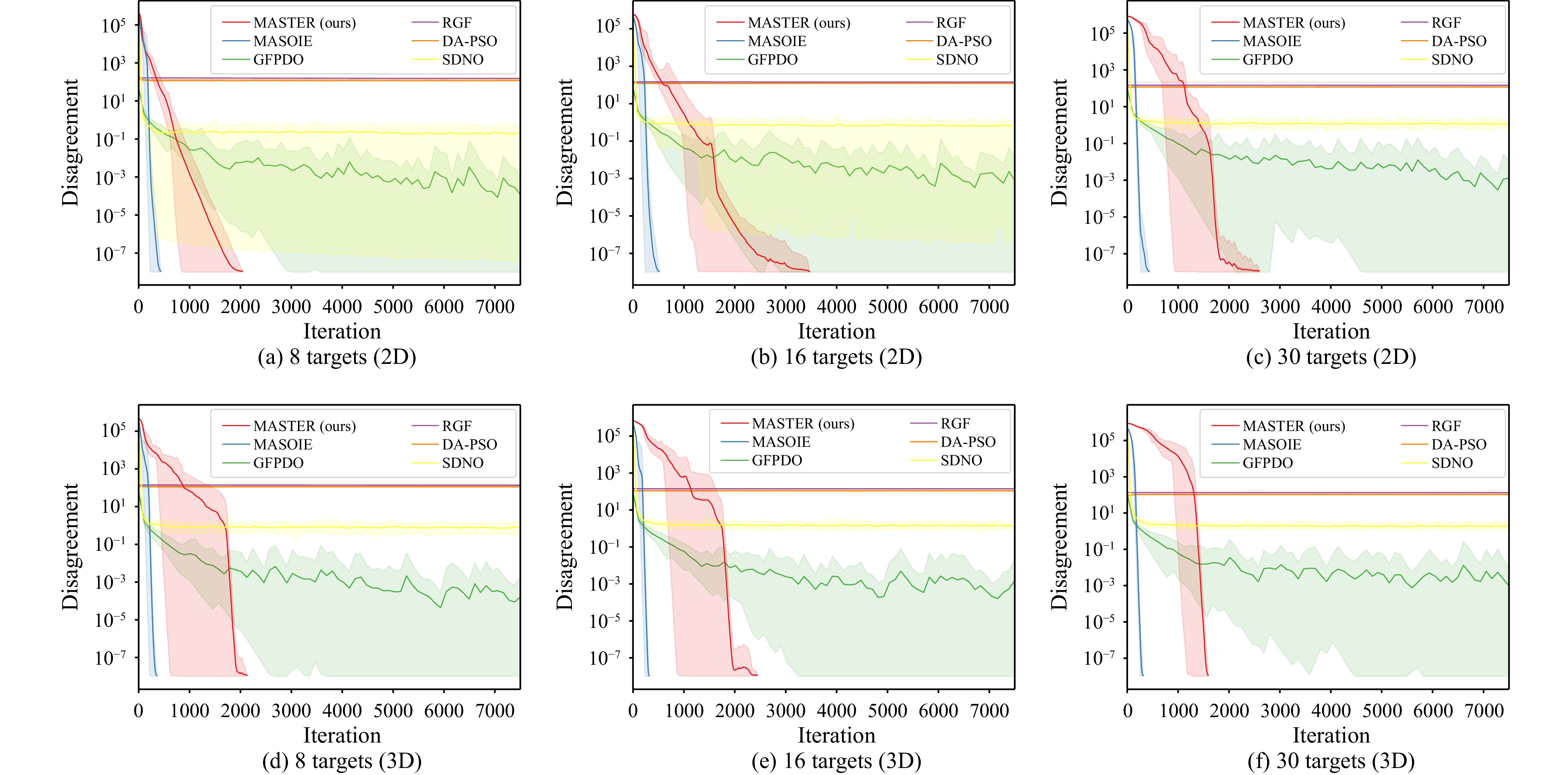
With the development of communication and computation capabilities on terminal hardware, it is promising to apply distributed optimization methods to wireless sensor networks to improve the autonomous collaboration ability of sensors. In this work, we study distributed multi-target localization problem with measurement-to-measurement association (DM2M), where each sensor only accesses its own measurement data without the association of measurements from other sensors. We first reformulate DM2M into a distributed bilevel optimization problem to reduce the search space of negotiated variables caused by the data association among sensors. Then, we propose a multi-agent swarm optimization method with contribution-based cooperation (MASTER). In MASTER, each sensor maintains a particle swarm to represent candidate solutions of target positions. Sensors evolve their particle swarms through two phases of local optimization and neighbor cooperation to locate the target cooperatively. To address the bilevel local objective function, we combine the Kuhn-Munkres algorithm and the competitive swarm optimization for local optimization. To promote sensors to optimize the global objective, we design a contribution-based cooperation method to guide sensors to learn from their neighbors. Through localization experiments for different target numbers and localization dimensions, the proposed algorithm achieves smaller localization errors and more stable consensus than existing algorithms.
A Hybrid Encoding-Based Coordinated Optimization Method for Charging Matrix Design in the Blast Furnace Ironmaking Process
Jicheng Zhu, Zhaohui Jiang, Dong Pan, Haoyang Yu, Chuan Xu, Ke Zhou, Weihua Gui
2026, 13(7): 1689-1706. doi: 10.1109/JAS.2025.126011
Abstract(606) HTML (11) PDF(33)
Abstract:
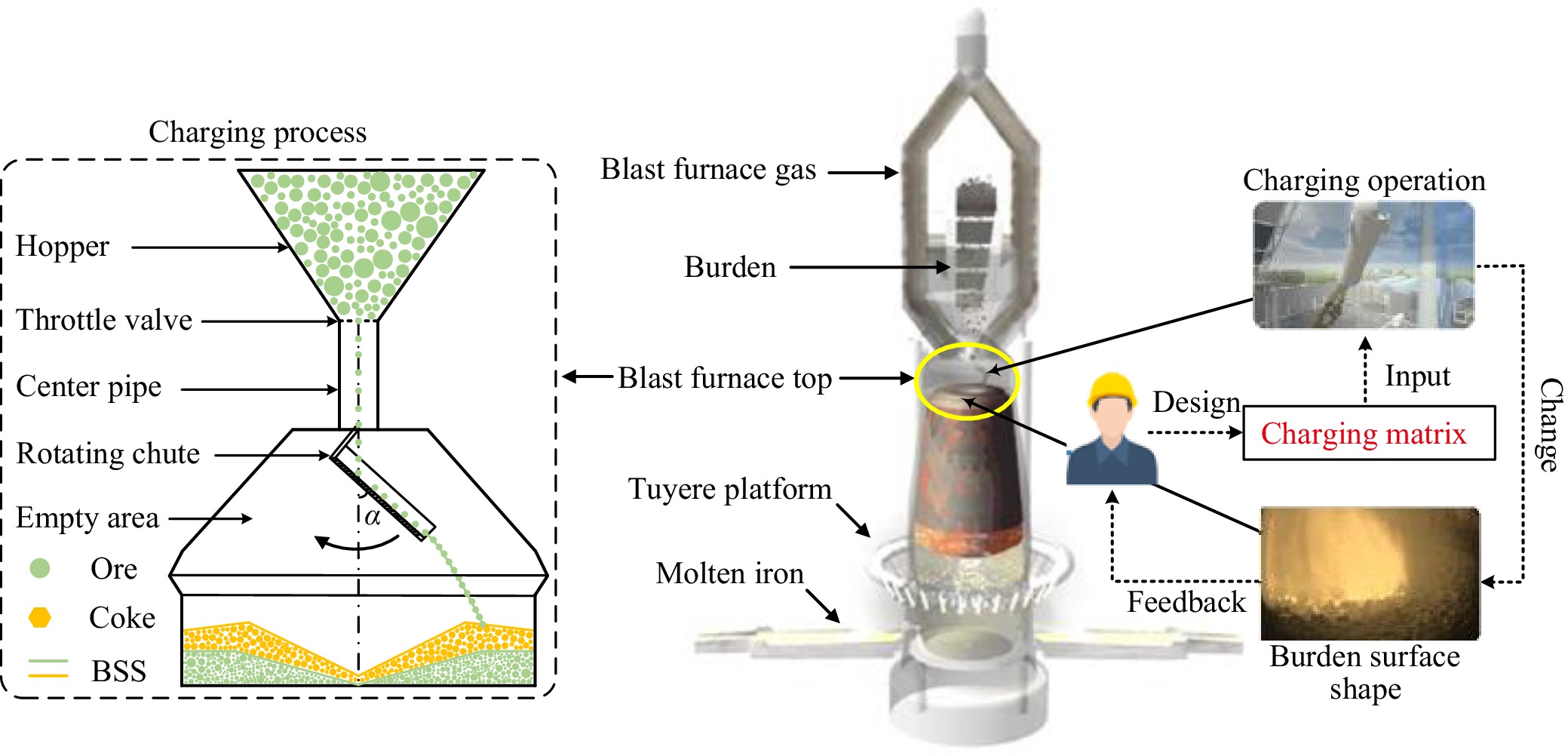
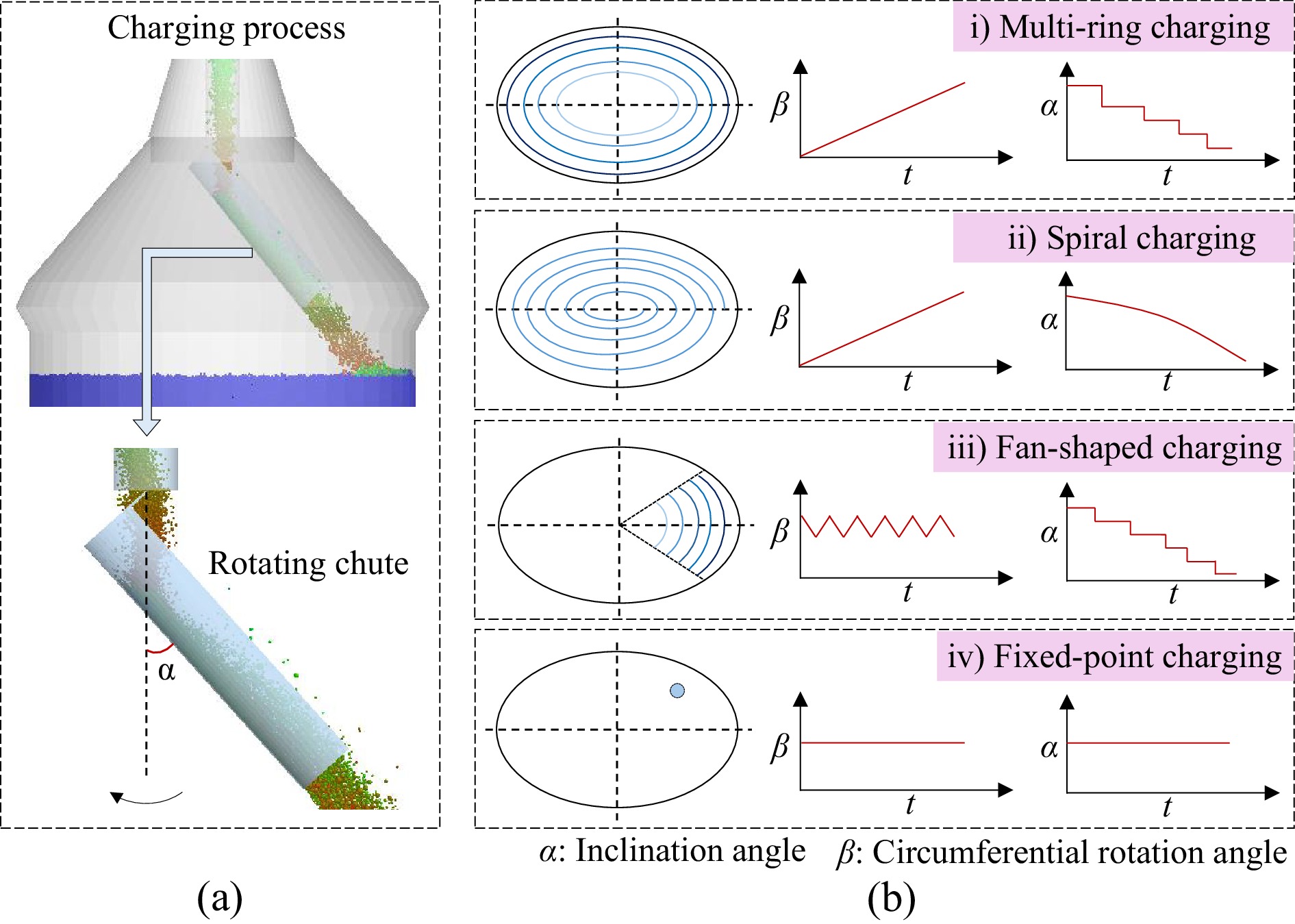
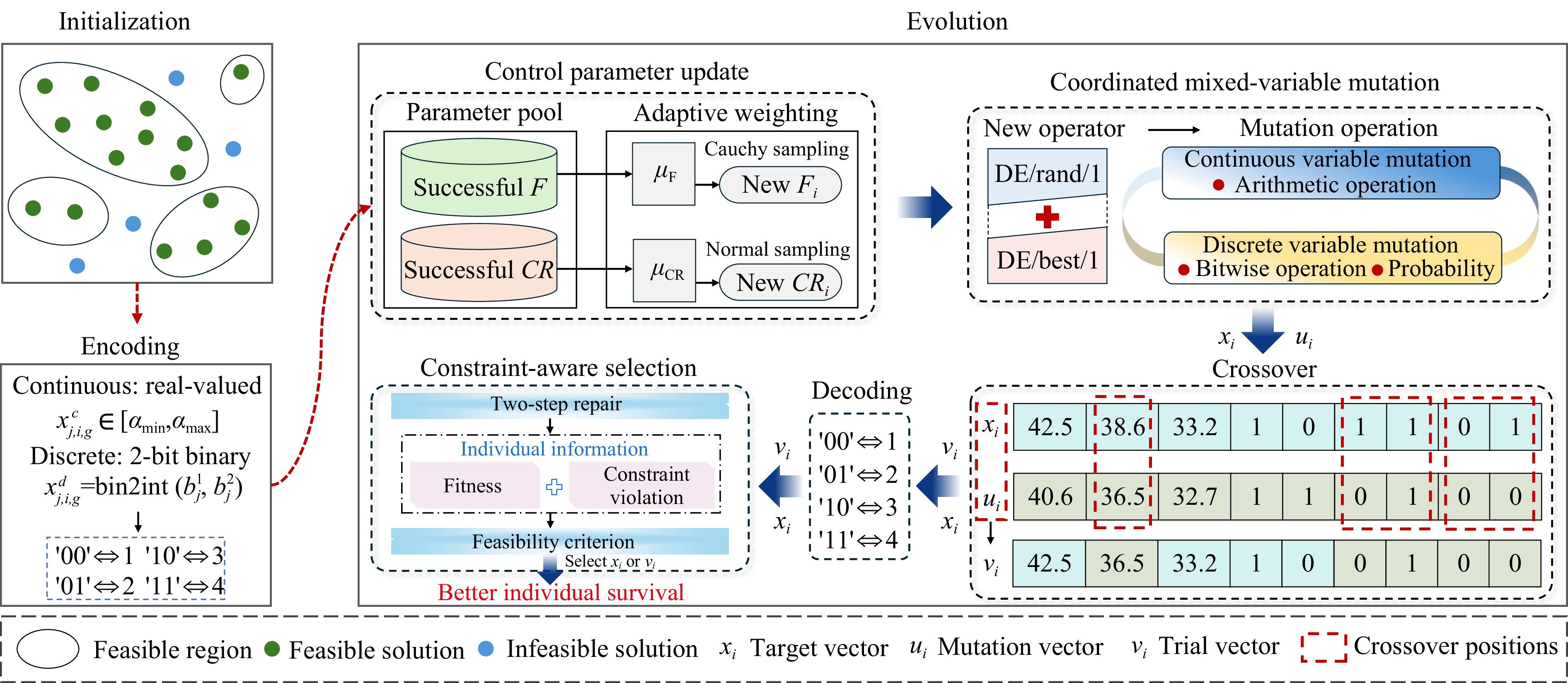
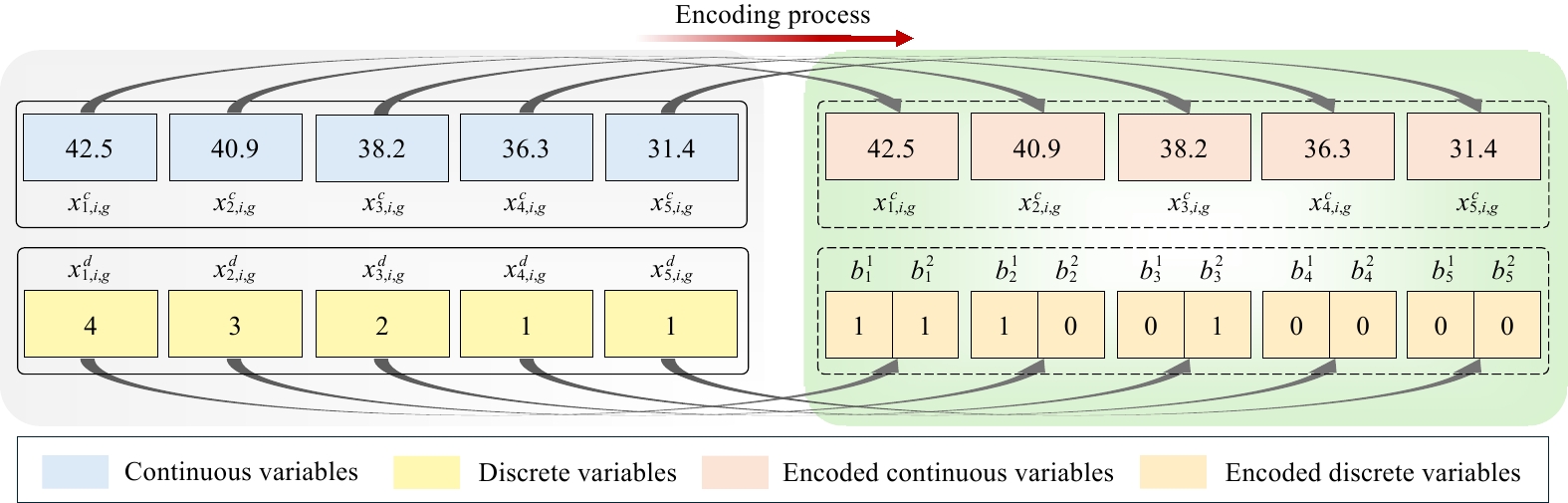
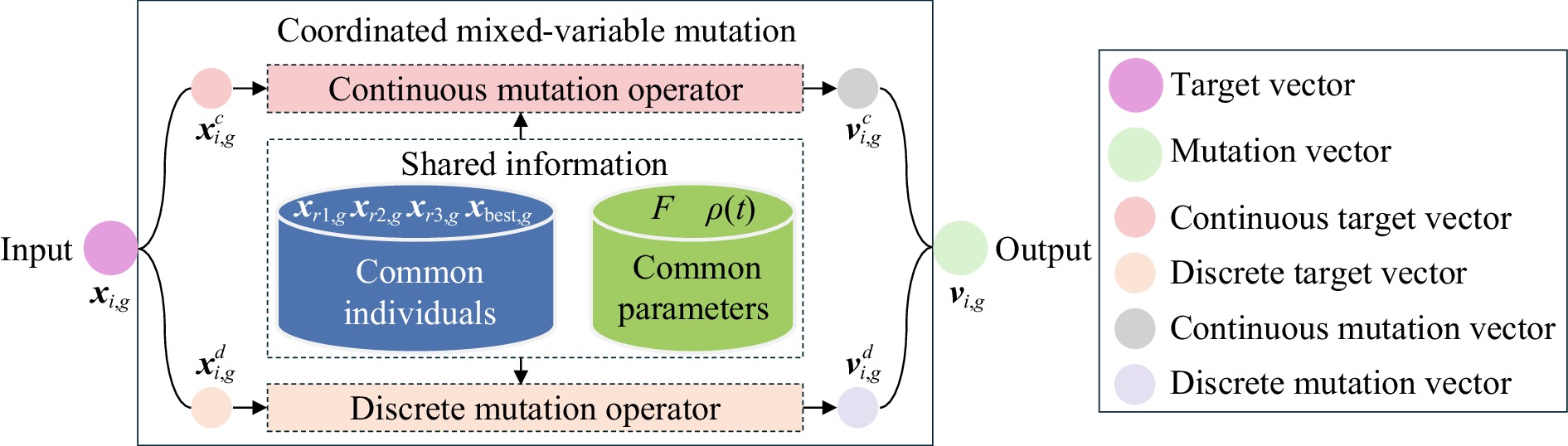
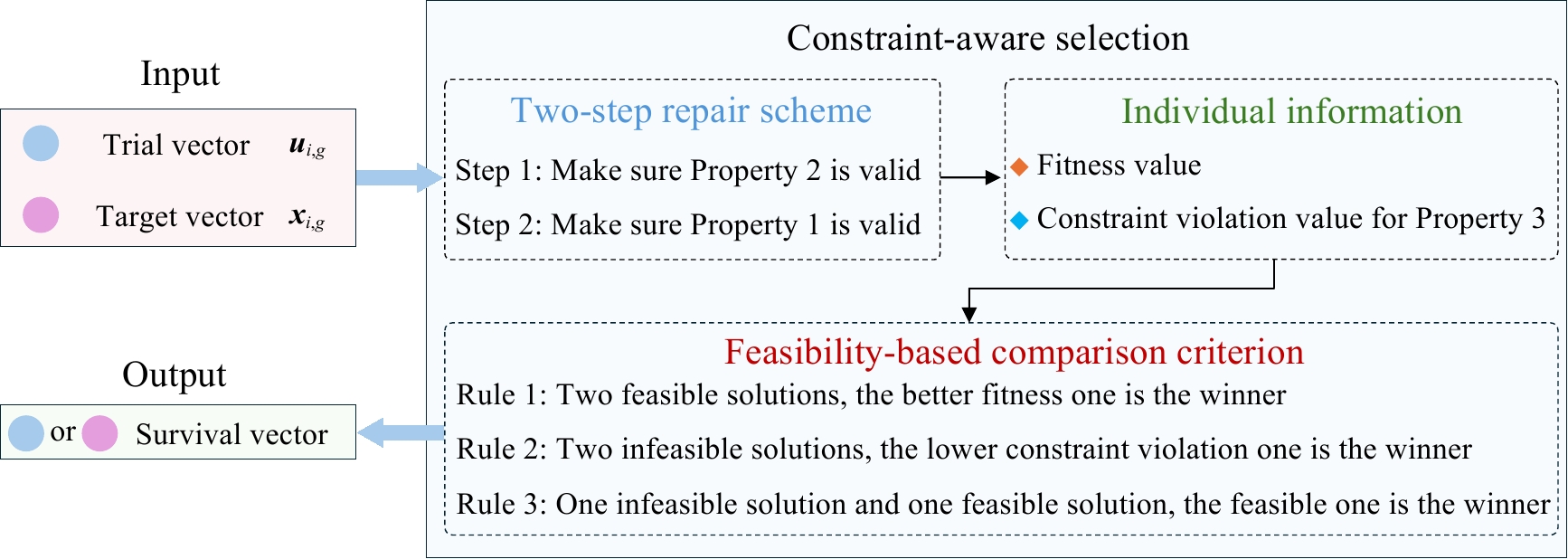
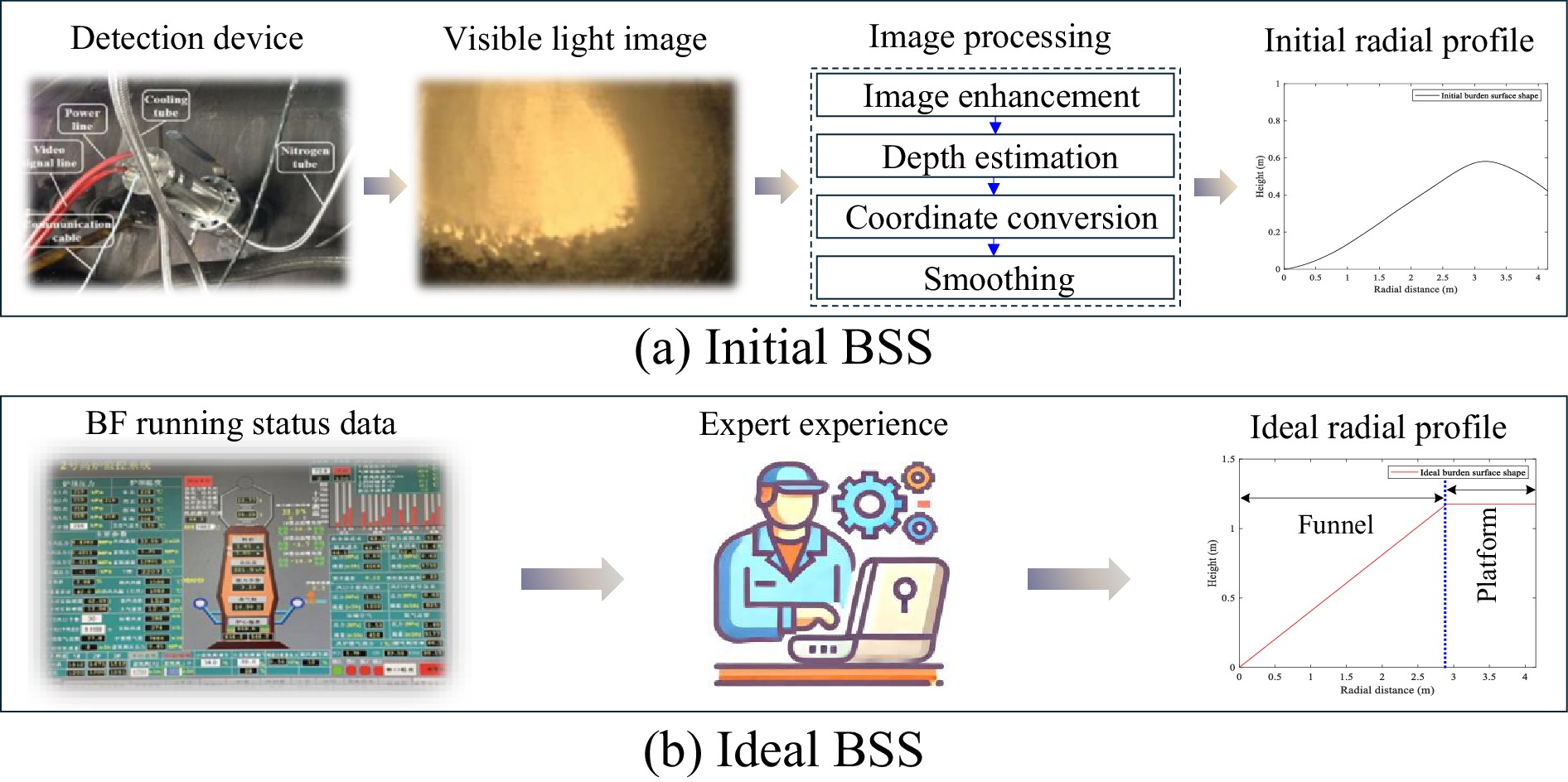
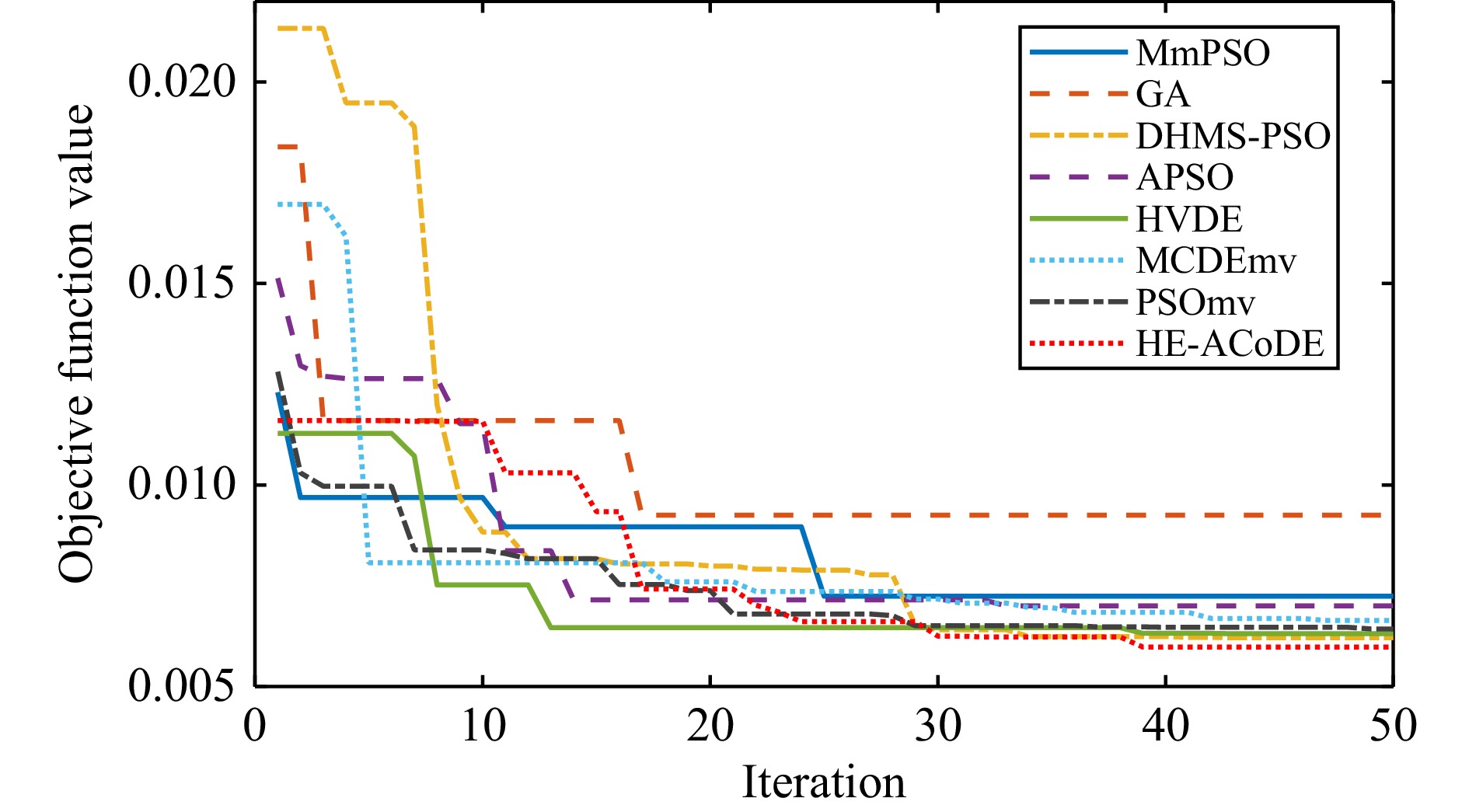
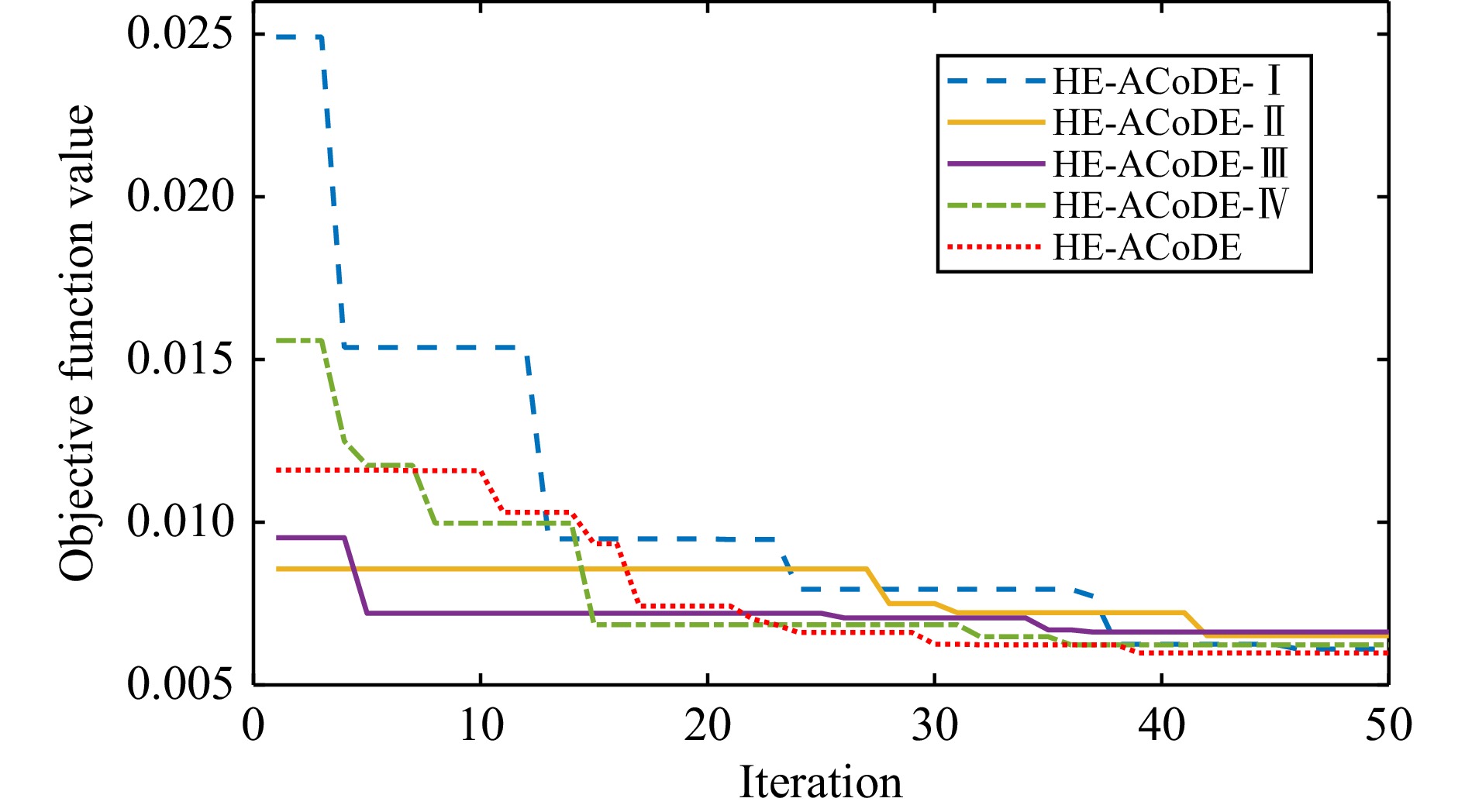
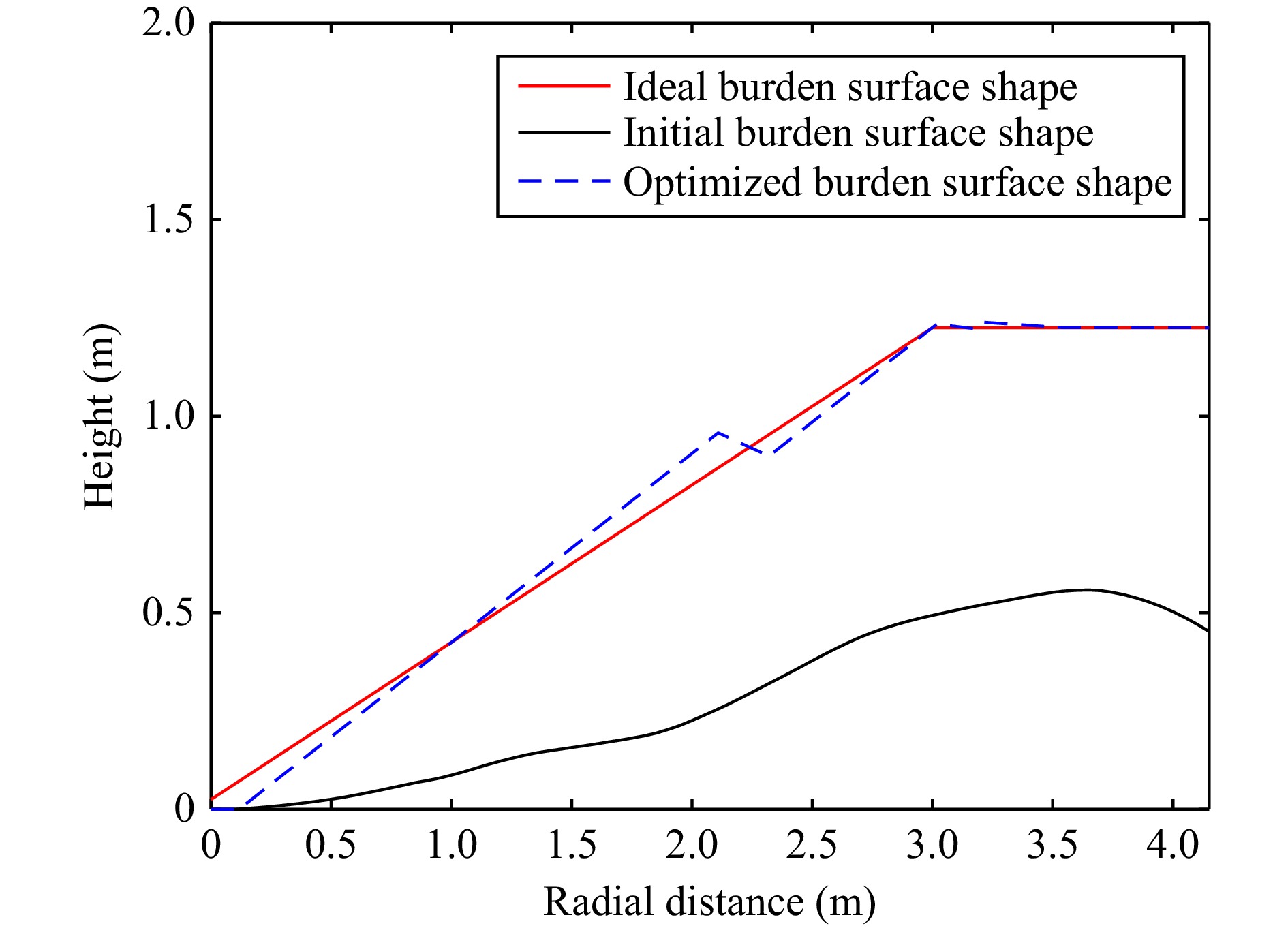
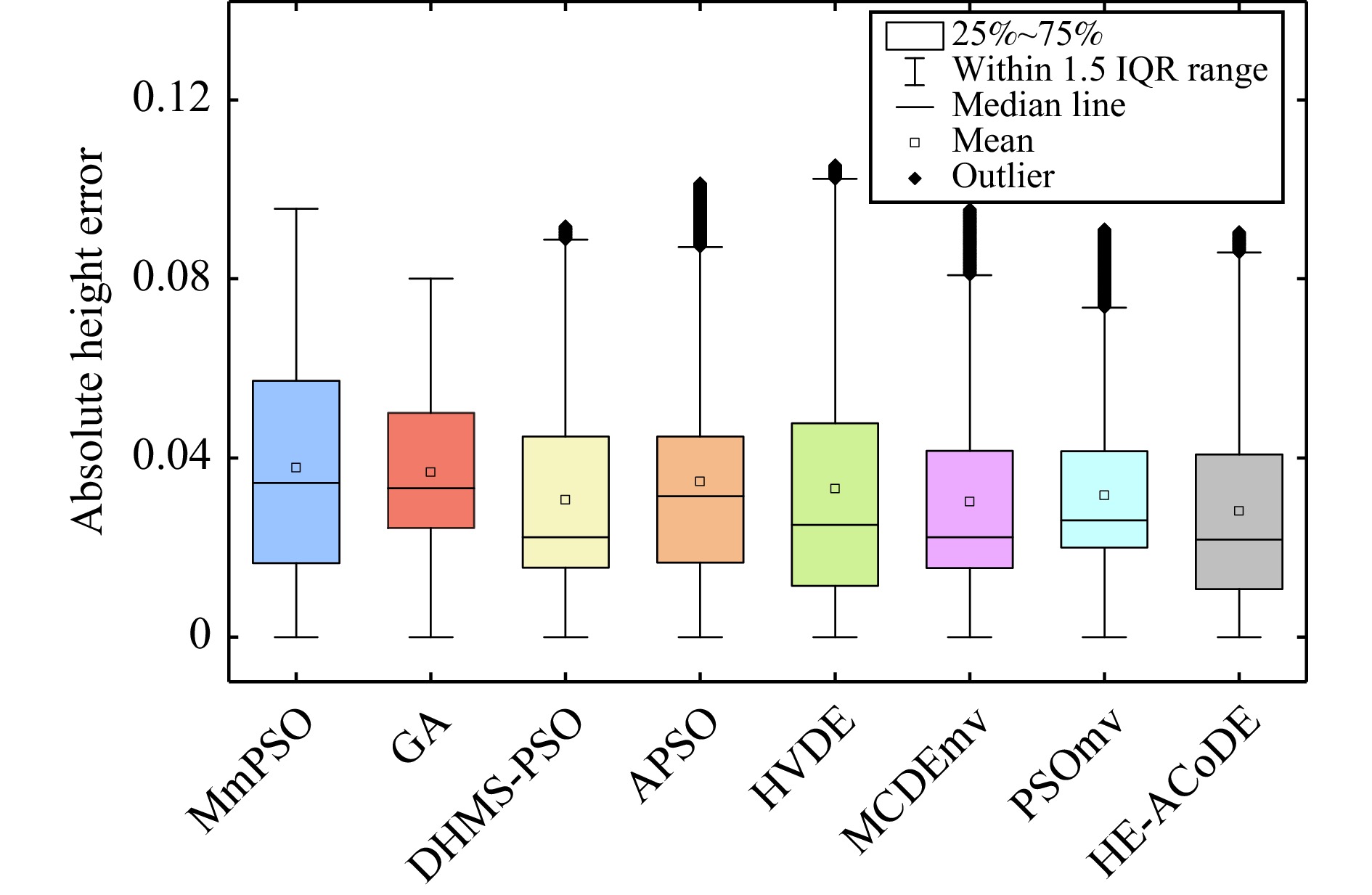
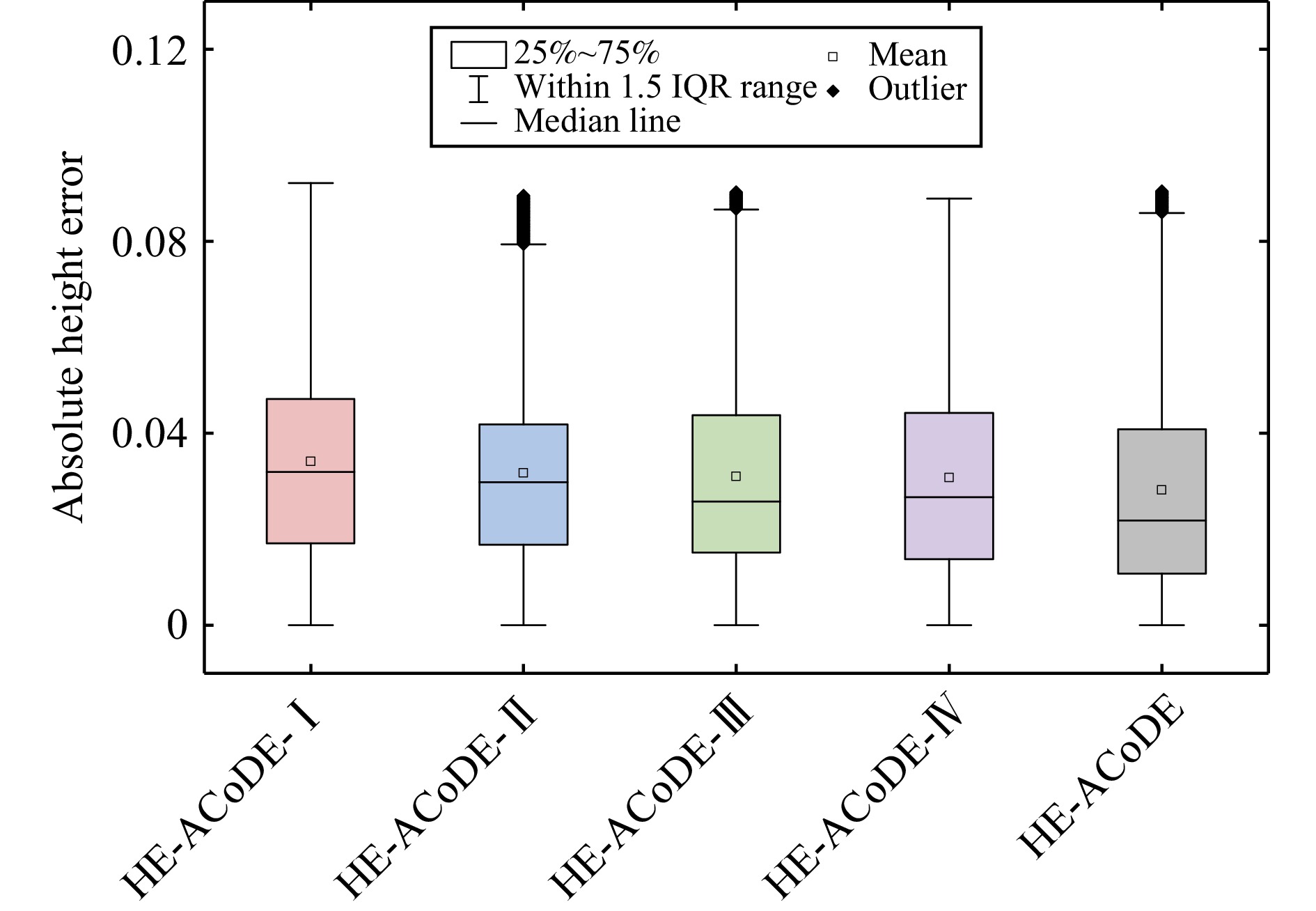
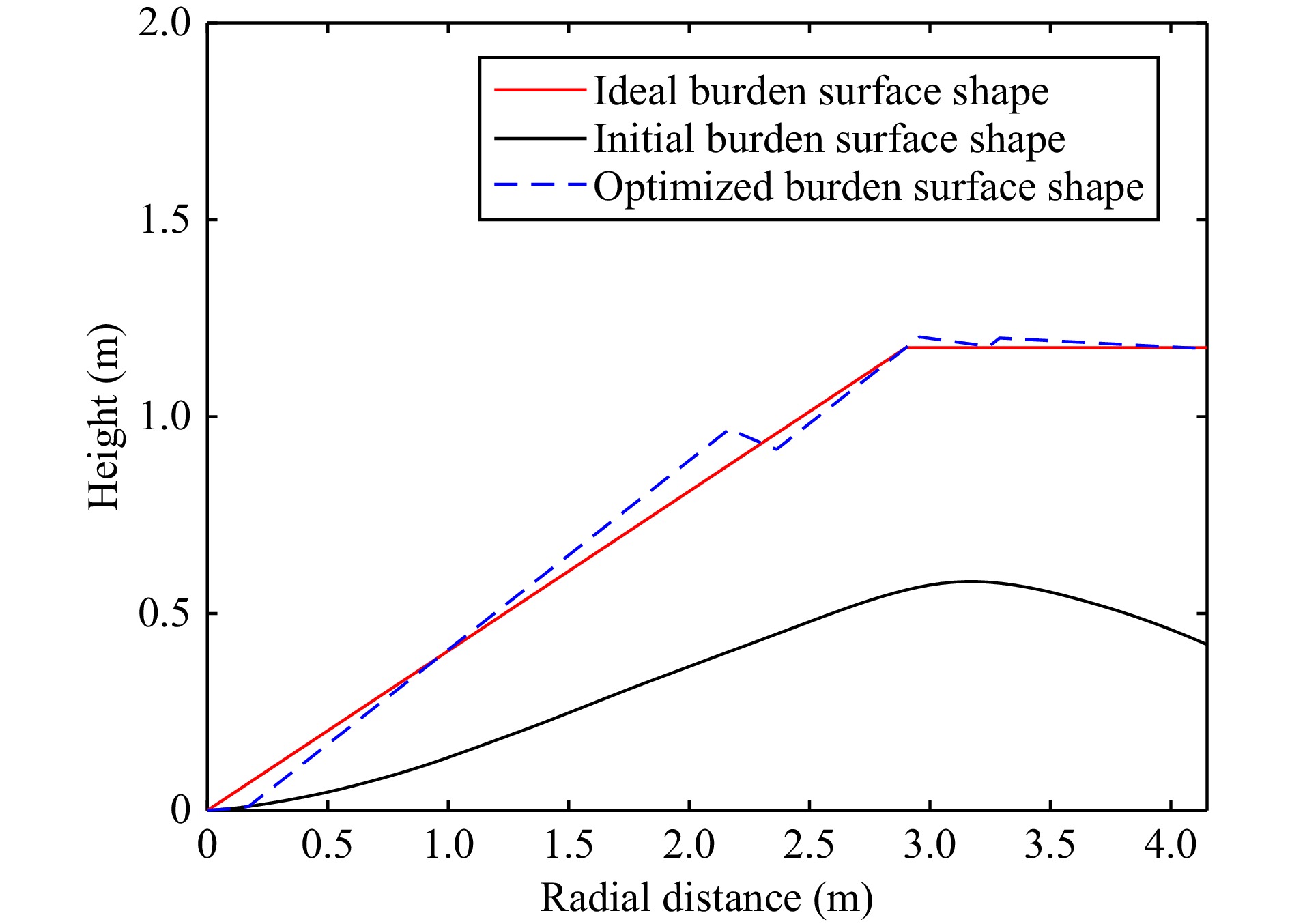
A well-designed charging matrix (CM) is crucial for advancing green and low-carbon production in the blast furnace (BF) ironmaking process. Over recent years, metaheuristics algorithms have been applied to optimize CM, partially reducing reliance on on-site workers. However, CM optimization is a challenging mixed-variable constraint optimization problem. Prior studies predominantly simplify CM to either continuous or discrete forms via variable fixation or type conversion, which hinders the efficient joint optimization of heterogeneous variables, limiting optimization accuracy and search efficiency. To tackle this barrier, this study proposes a novel method named Hybrid Encoding-based Adaptive Coordinated Differential Evolution (HE-ACoDE), marking the first attempt to optimize CM from a mixed-variable perspective. First, a hybrid encoding scheme is devised to provide a unified representation for the mixed variables in CM. Then, a coordinated mixed-variable mutation strategy is developed, effectively facilitating the synchronized evolution of continuous and discrete variables. Moreover, a constraint-aware selection operator and a weight-guided parameter adaptation strategy are proposed, which collaboratively guide the population toward feasible, high-quality solutions across different evolutionary stages and problem landscapes. Extensive comparison experiments on two industrial scenarios demonstrate that HE-ACoDE outperforms state-of-the-art CM optimization and mixed-variable optimization methods in terms of accuracy, stability, and convergence performance.
Training Robust Graph Completion Networks With Extremely Weak Supervision on Graphs With Incomplete Features and Structure
Chengxiang Lei, Sichao Fu, Qinmu Peng, Yiyang Zhang, Bin Zou, Xiao-Yuan Jing, Xinge You
2026, 13(7): 1707-1720. doi: 10.1109/JAS.2025.125906
Abstract(37) HTML (8) PDF(1)
Abstract:
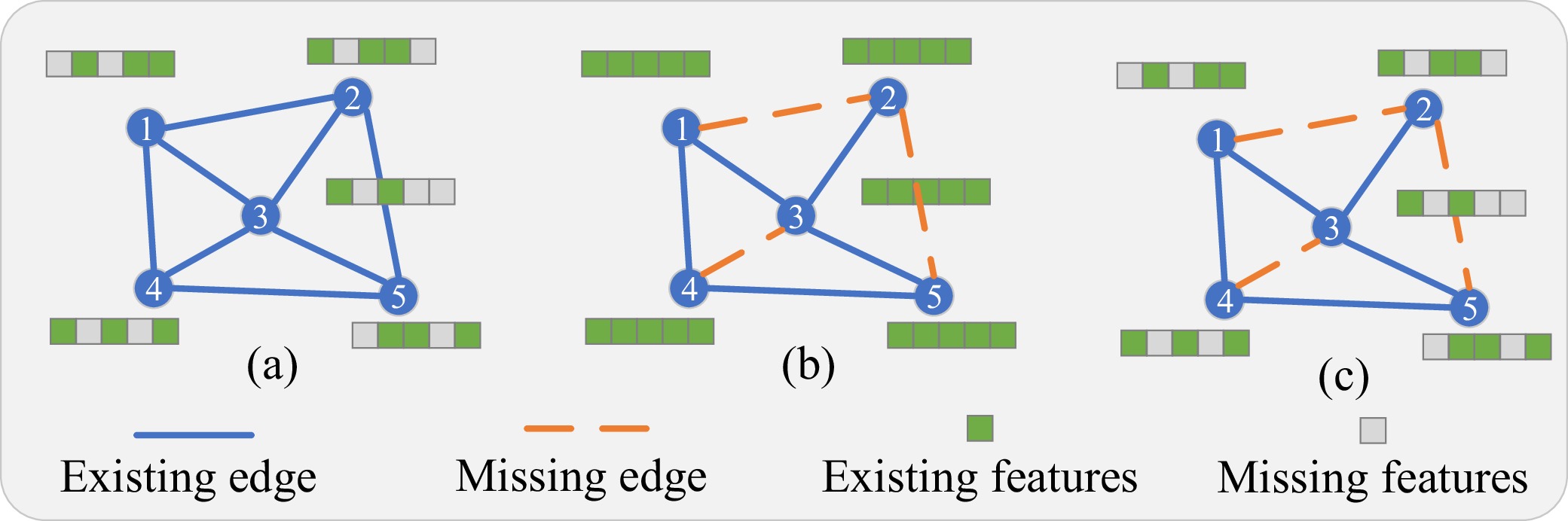
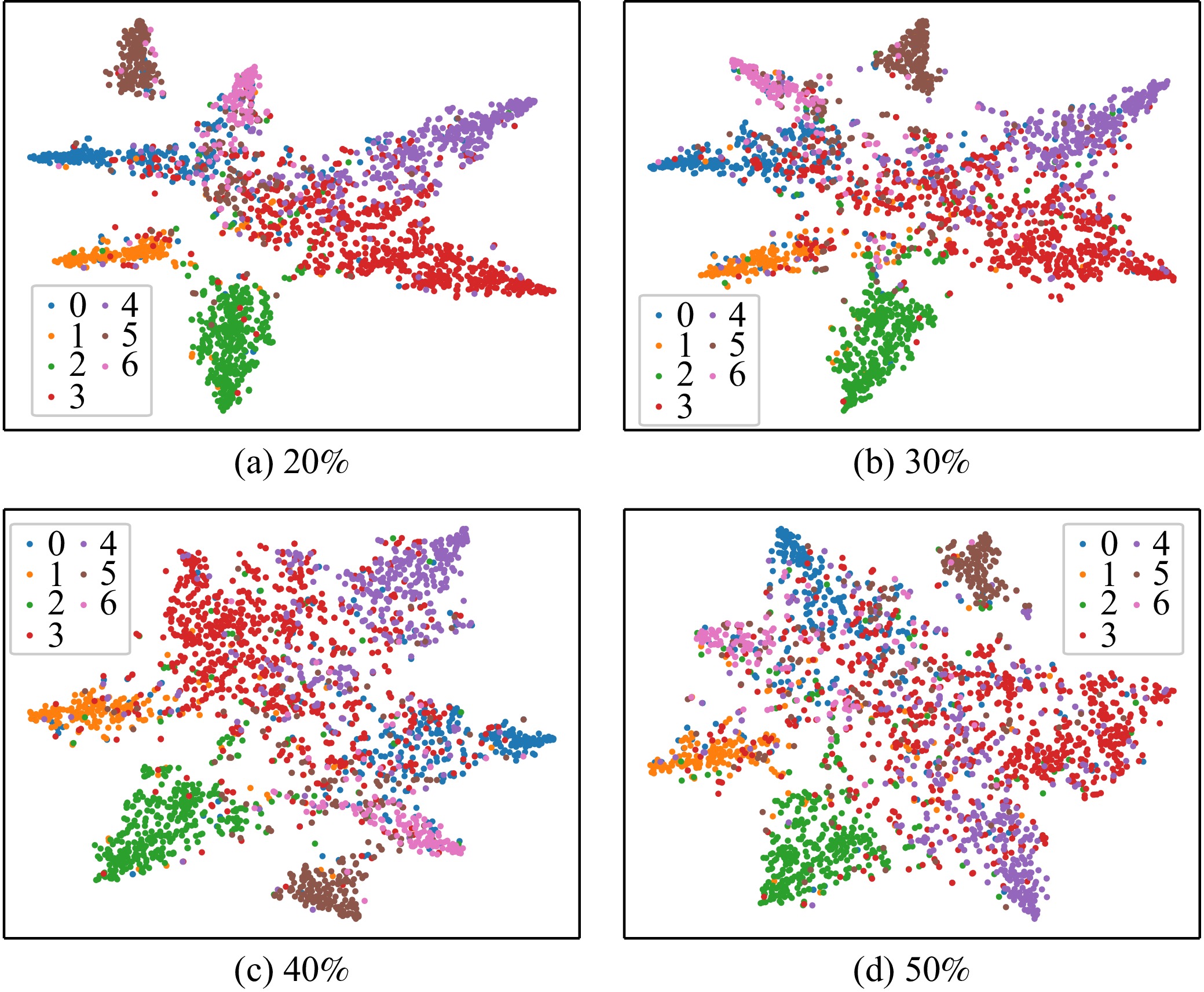
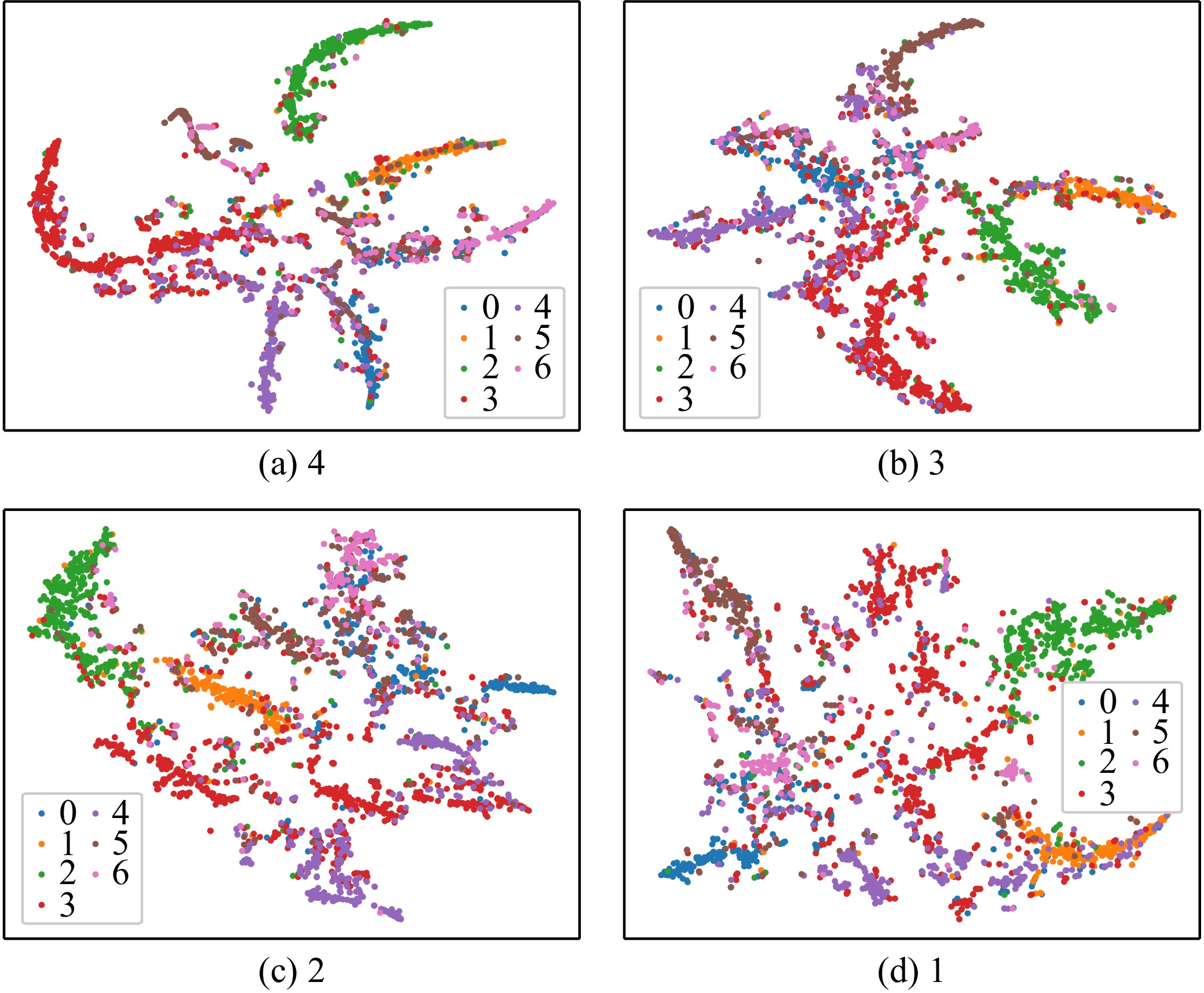
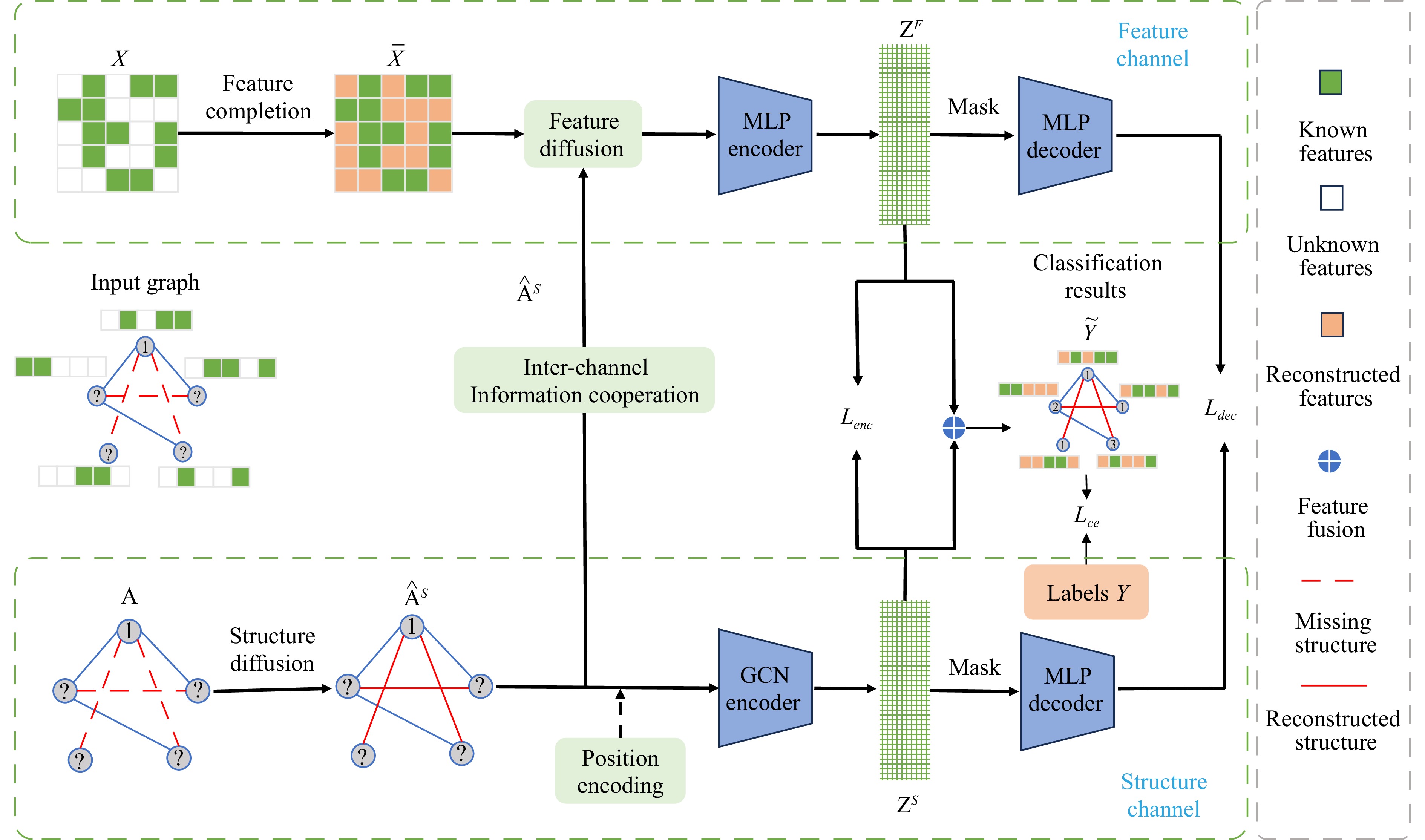
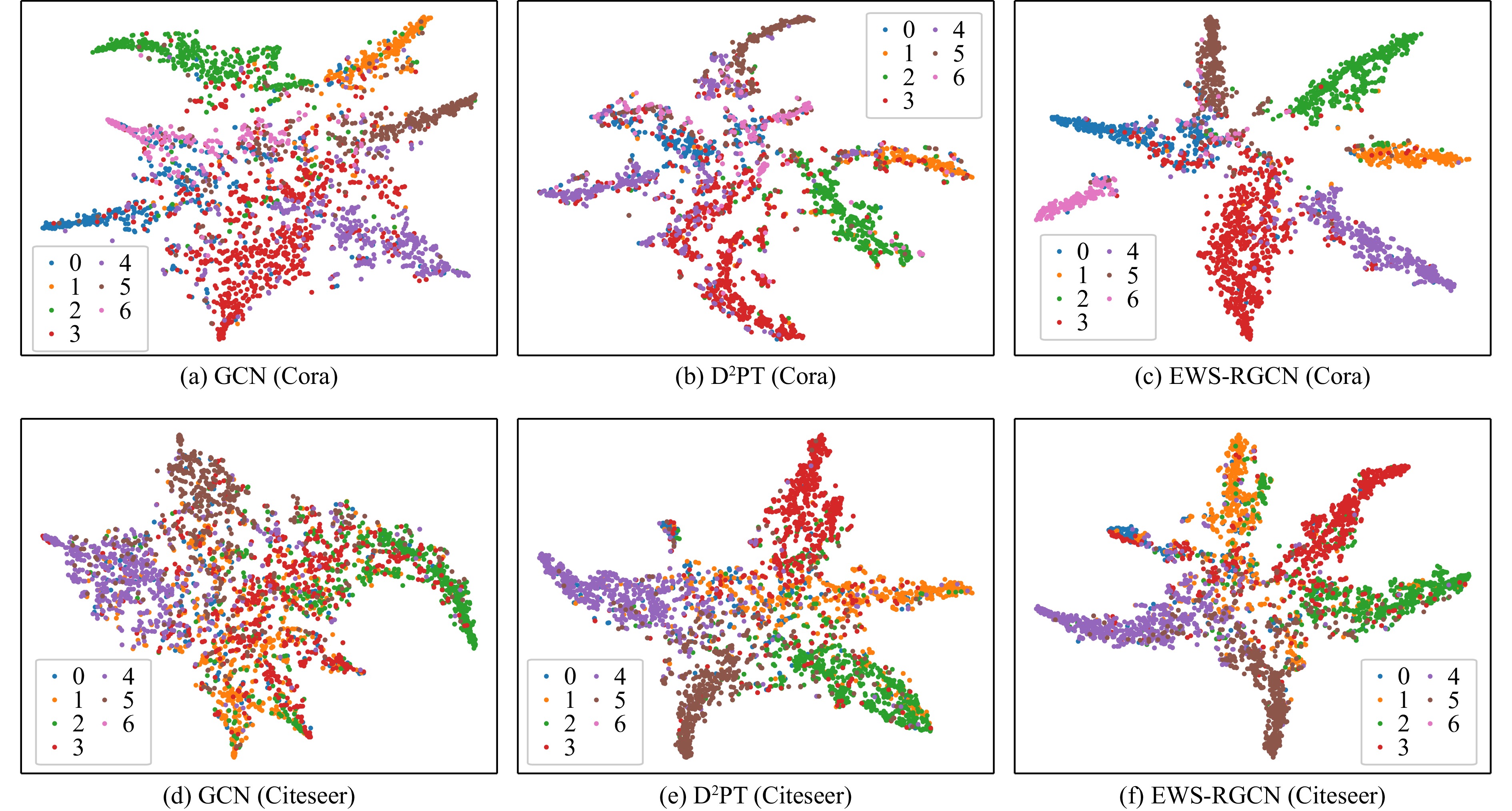
Graph neural networks (GNNs) often suffer from performance degradation due to the incompleteness of node features and structure relationships in the real world. Recently emerged graph completion learning (GCL) enhances the generalization of GNNs by reconstructing the missing node features or structure relationships. Nevertheless, these proposed GCL methods are supervised by a large number of labeled nodes, which limits their applications in extremely limited labeled nodes. Moreover, the existing GCL methods either focus on feature missing or structure missing tasks, and little effort was paid to more challenging scenarios where both node features and structure relationships are simultaneously missing. In this paper, a general GCL framework with the aid of multi-level contrast graph mask autoencoders (EWS-RGCN) is proposed to improve the generalization of GNNs guided by extremely weak supervision on graphs with features and structure missing. Specifically, to alleviate the mutual interference between missing node features and structure relationships caused by message passing of GNNs, we separate the feature and structure completion into two channels. Then, a multi-level contrastive loss is introduced to simultaneously maximize the mutual information between nodes from the encoding and decoding stage, which can discover more effective supervision information from the data itself for EWS-RGCN optimization, apart from label information. To further enhance the space consistency between reconstructed node features and structure relationships, the inter-channel information cooperation module is introduced to enhance the mutual learning of feature and structure completion channels. Extensive experiments on six benchmarks demonstrate the effectiveness of our EWS-RGCN.

Event-Triggered-Based Adaptive Practical Fixed-Time Tracking Control for Uncertain Nonlinear Systems With Unmeasurable States
Lei Liang, Xia Huang, Zhen Wang
2026, 13(7): 1721-1730. doi: 10.1109/JAS.2025.125879
Abstract(26) HTML (13) PDF(4)
Abstract:
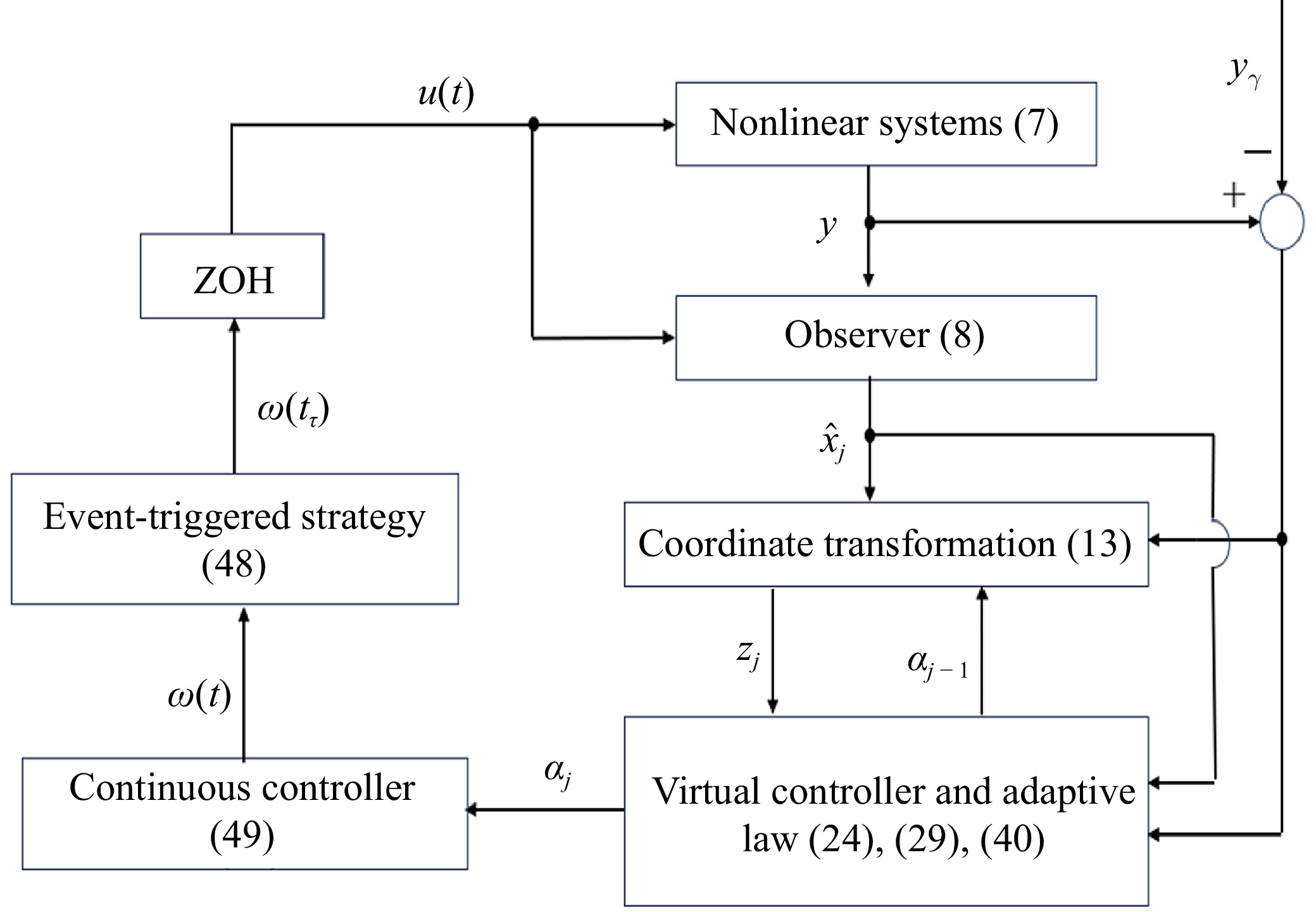
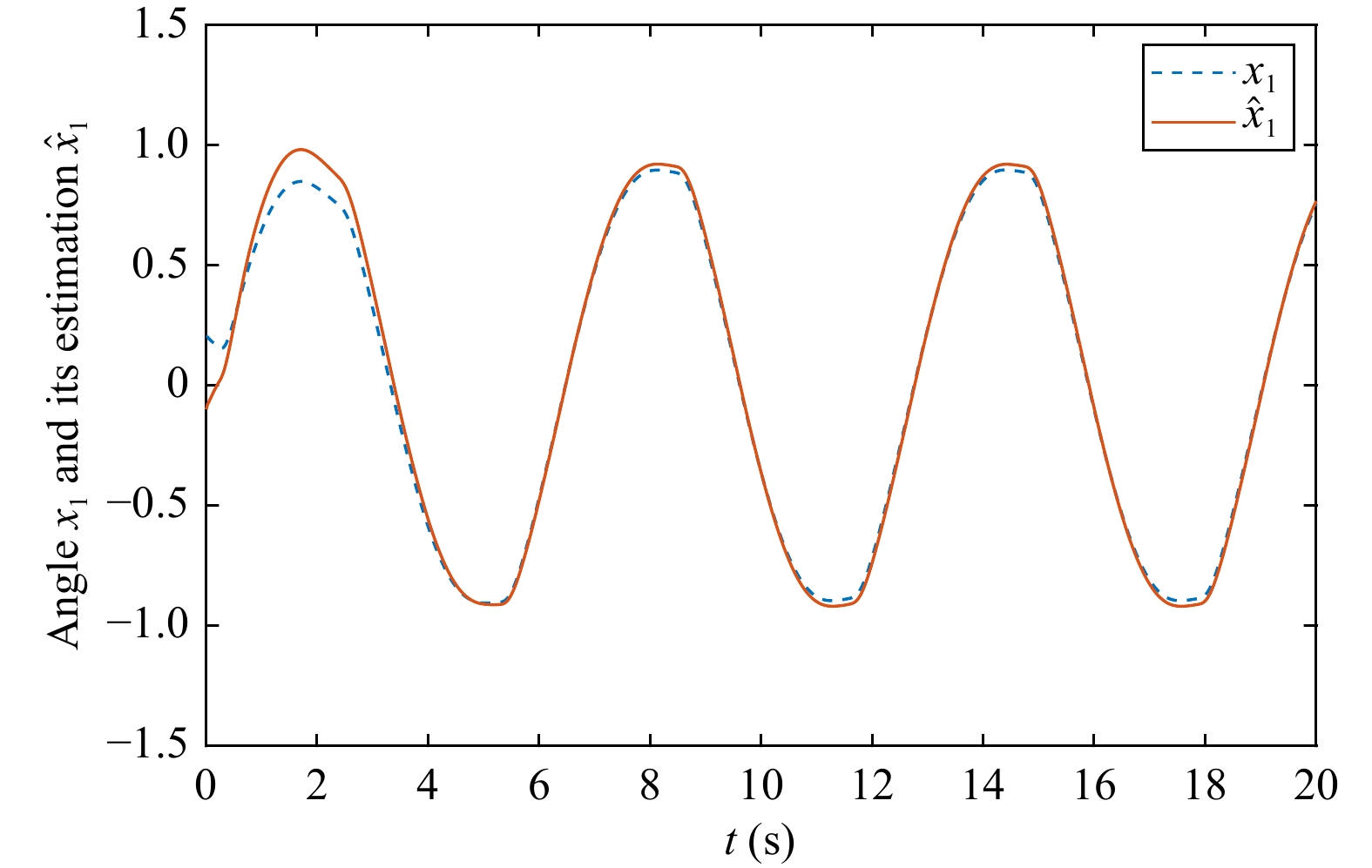
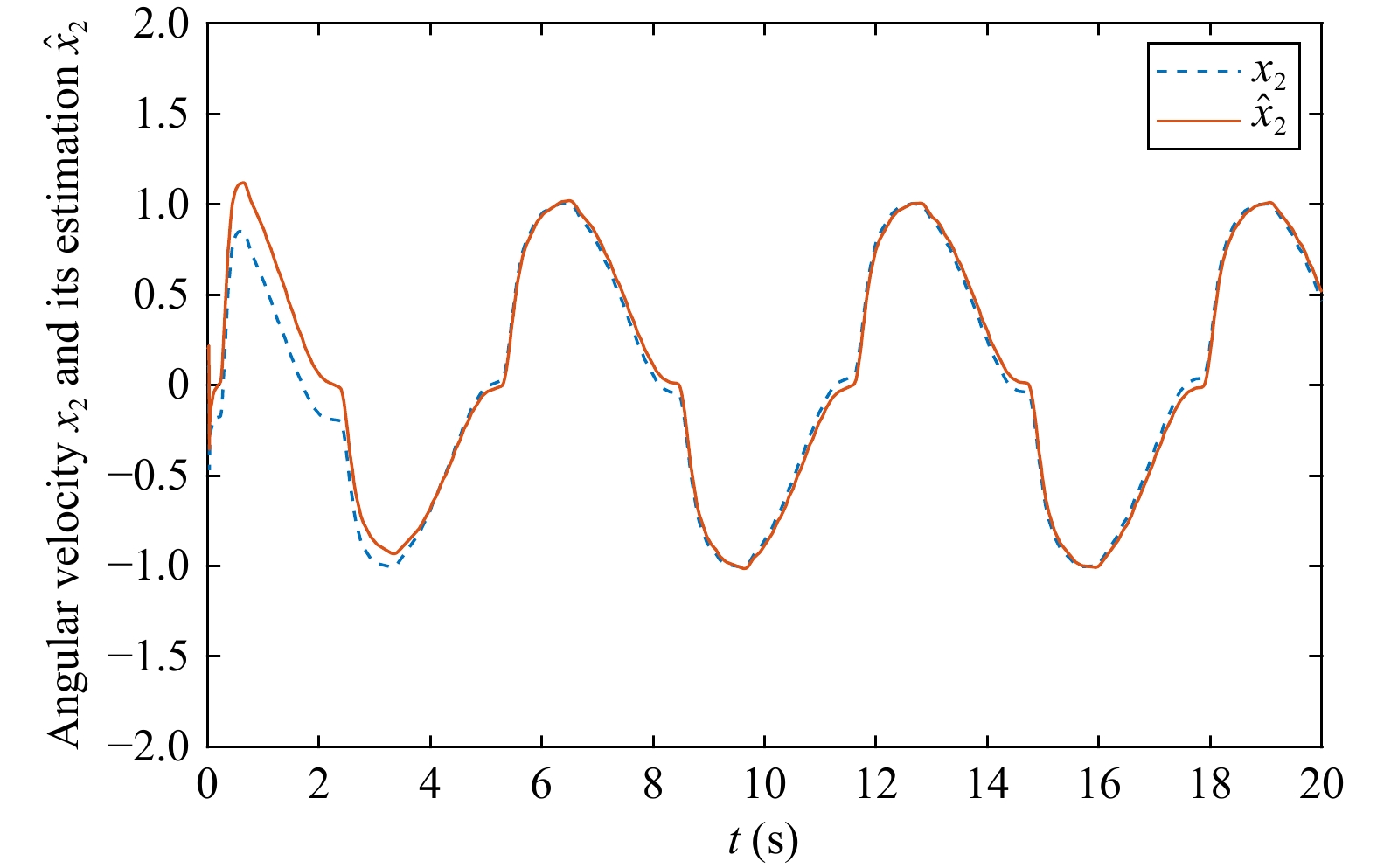
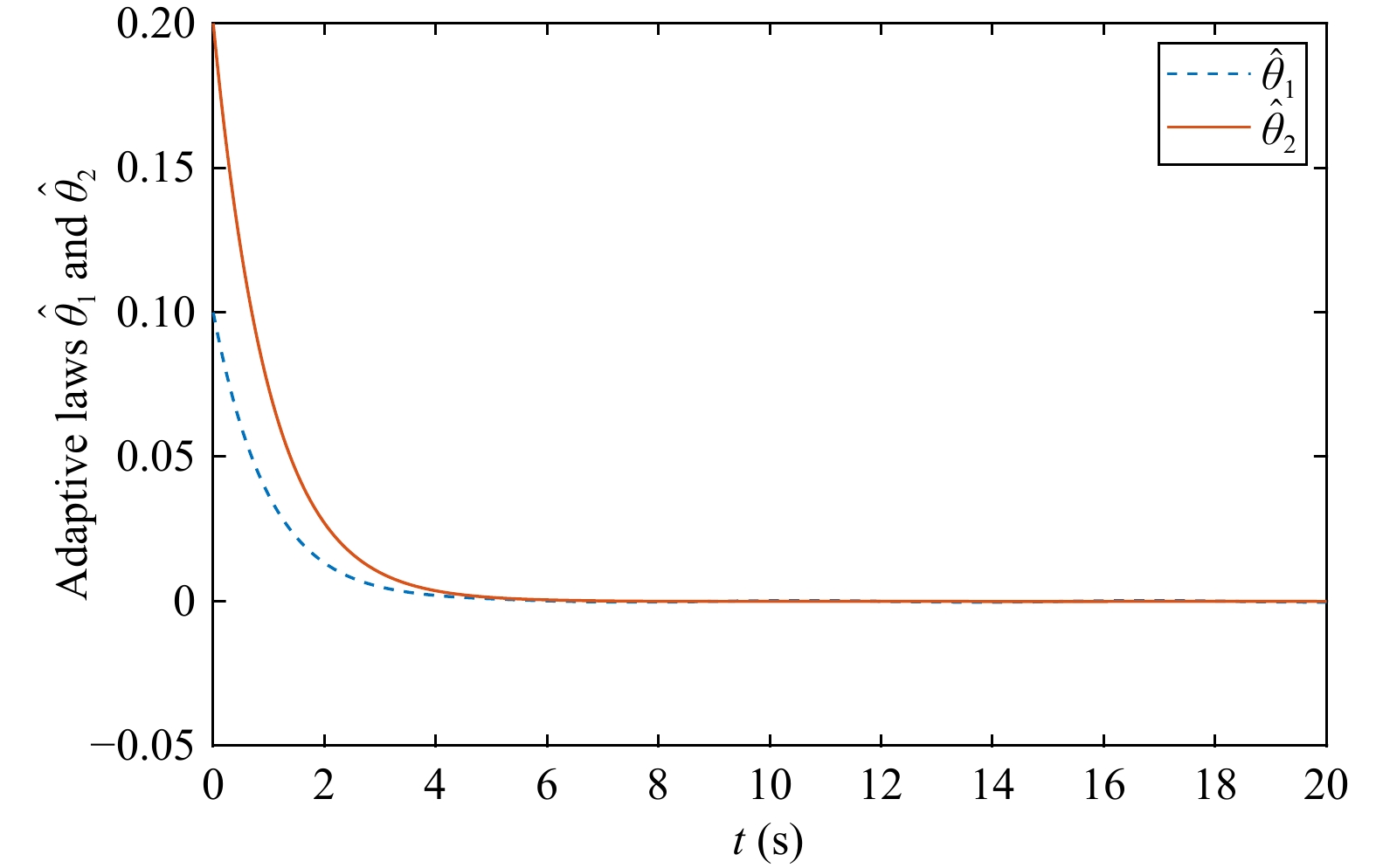
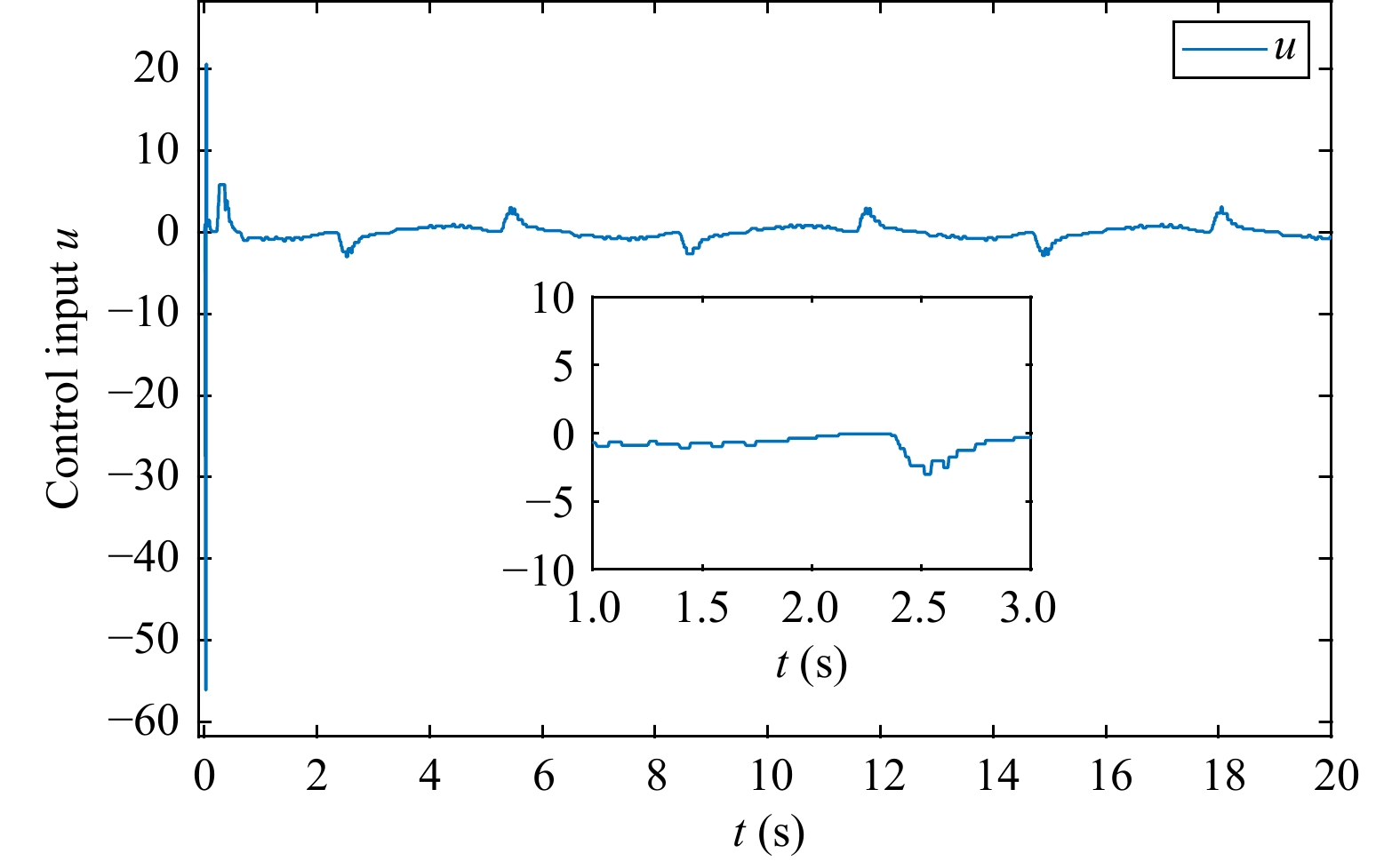
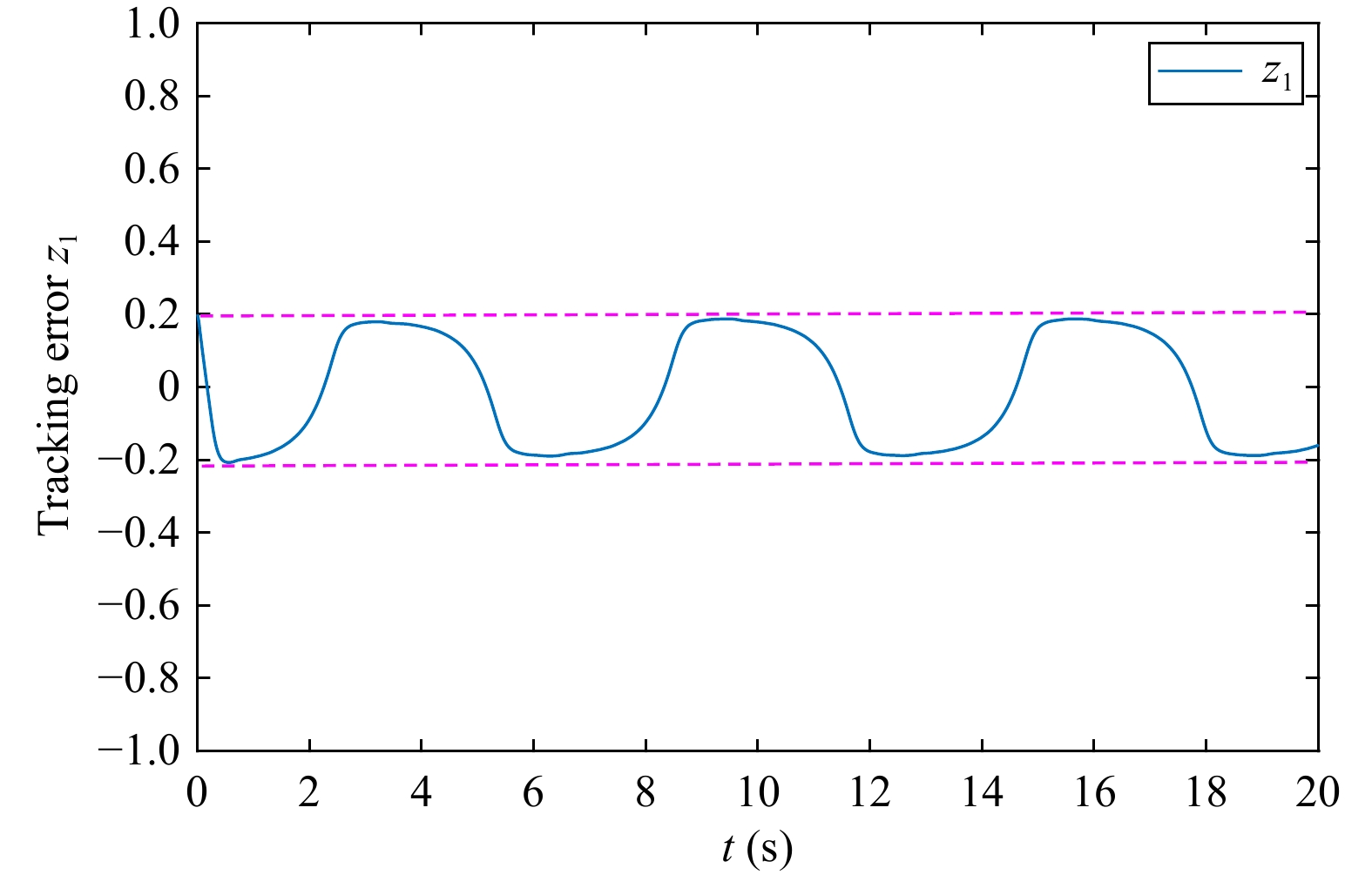
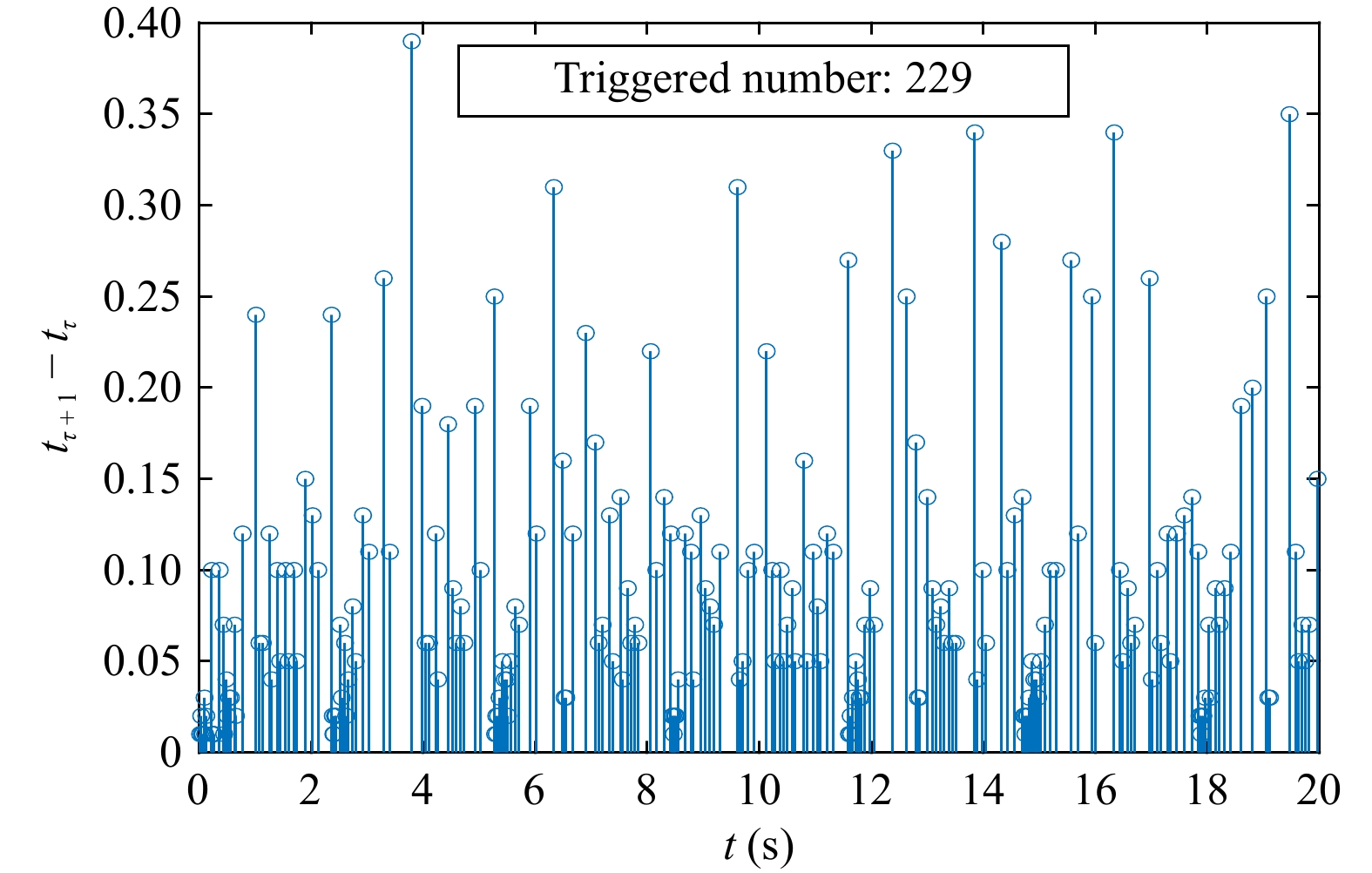
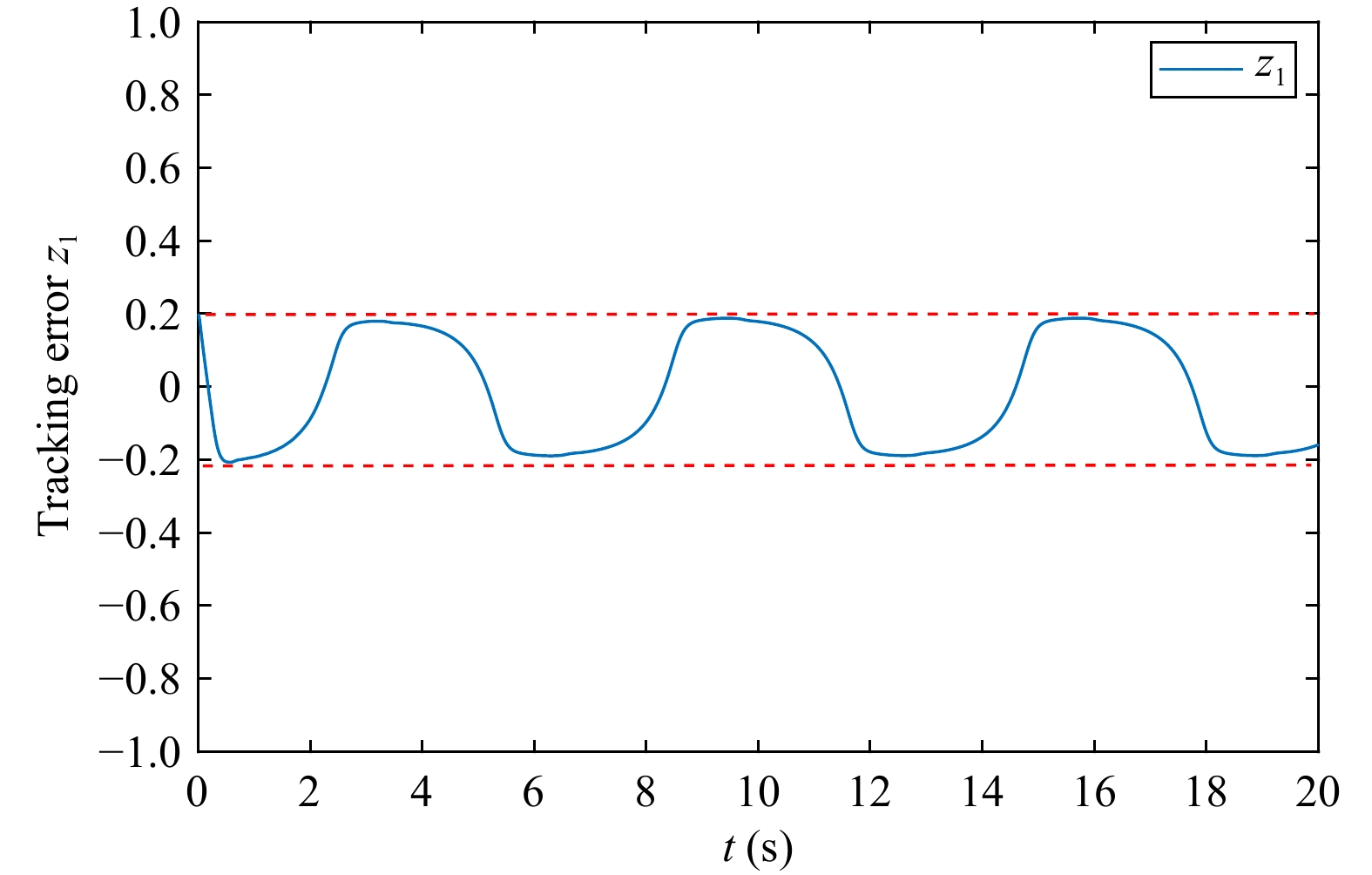
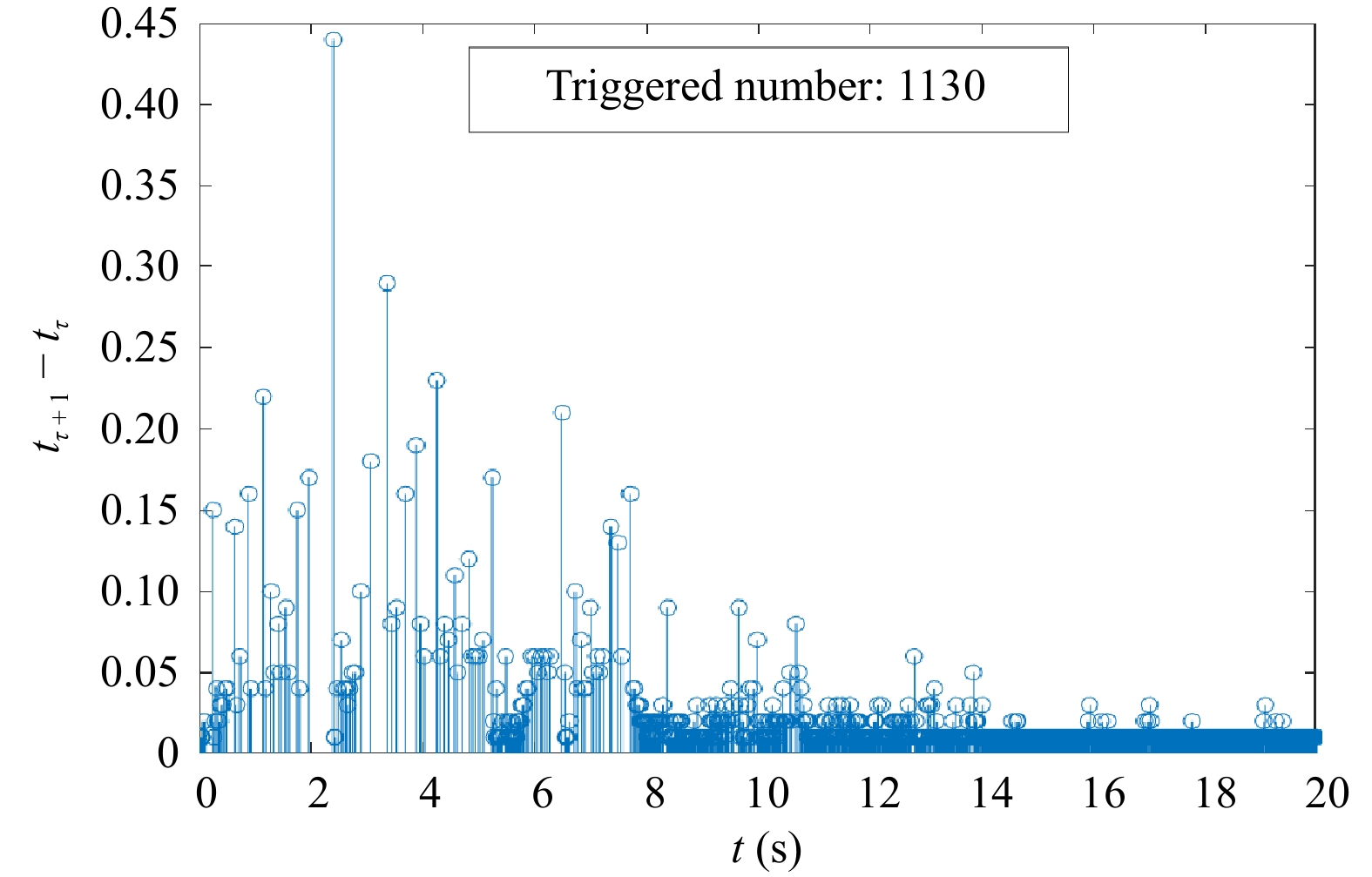
In this paper, the problem of adaptive event-triggered (ET) fixed-time tracking control (FTTC) for a class of uncertain nonlinear systems (NSs) with partially unmeasurable states is investigated. An observer and a set of radial basis function neural networks (RBFNNs) are introduced to reconstruct the unmeasurable states and to approximate the unknown nonlinear functions, respectively. Moreover, in order to reduce the communication resource consumption, an ET mechanism with the relative threshold is adopted. The designed ET controller can ensure that the tracking error converges to a small neighborhood of the origin, all the signals of the closed-loop system are uniformly ultimately bounded (UUB), the settling time depends solely on the design parameters, and the Zeno behavior is successfully avoided. A practical example is given to verify the feasibility of the proposed method.
CMo-IABA: Constrained Multi-Objective Invisible and Adaptive Backdoor Attack for Deep Neural Networks-Based SAR Image Classification
Guo-Qiang Zeng, Hai-Nan Wei, Kang-Di Lu, Guang-Gang Geng
2026, 13(7): 1731-1746. doi: 10.1109/JAS.2025.125888
Abstract(14) HTML (7) PDF(3)
Abstract:
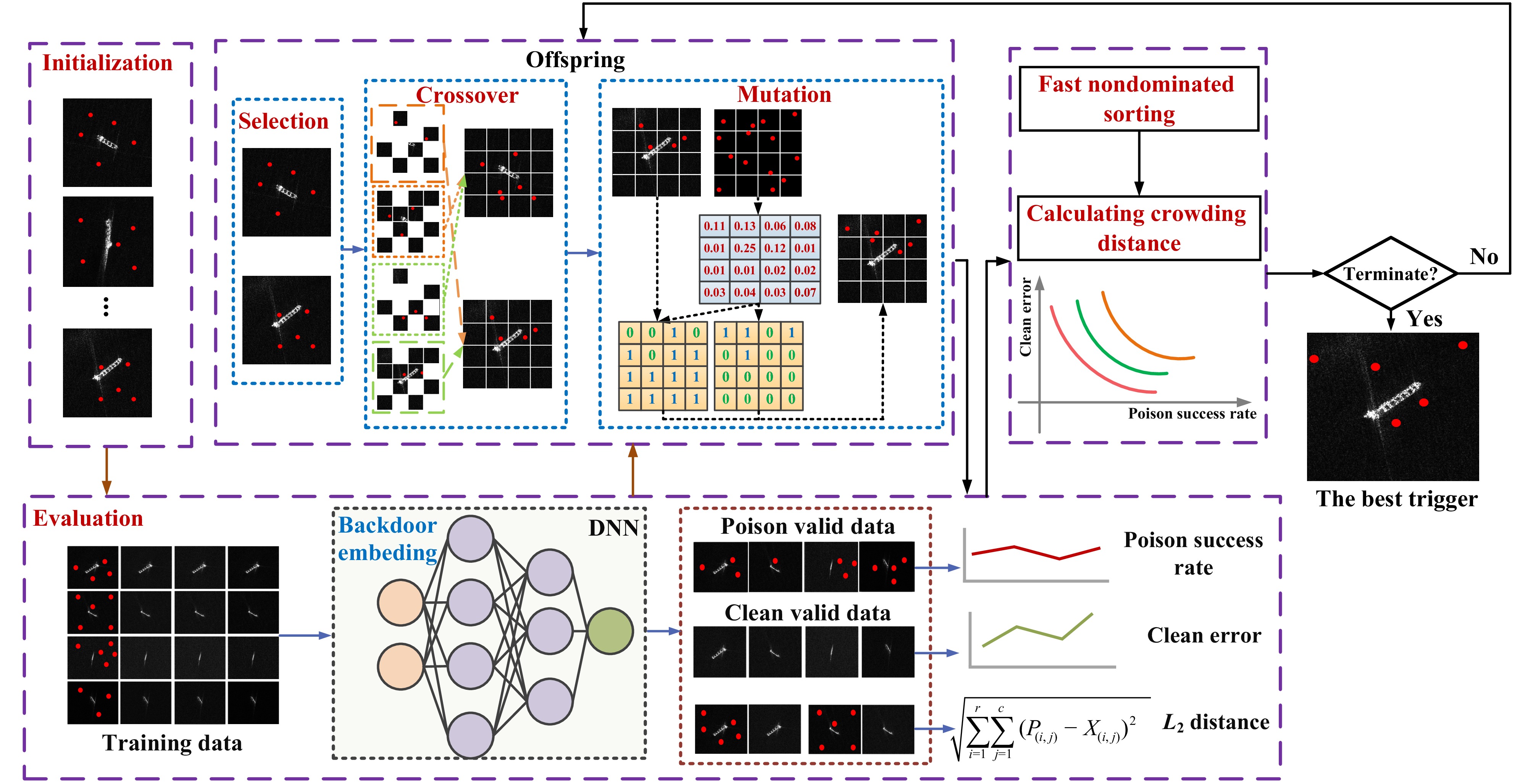
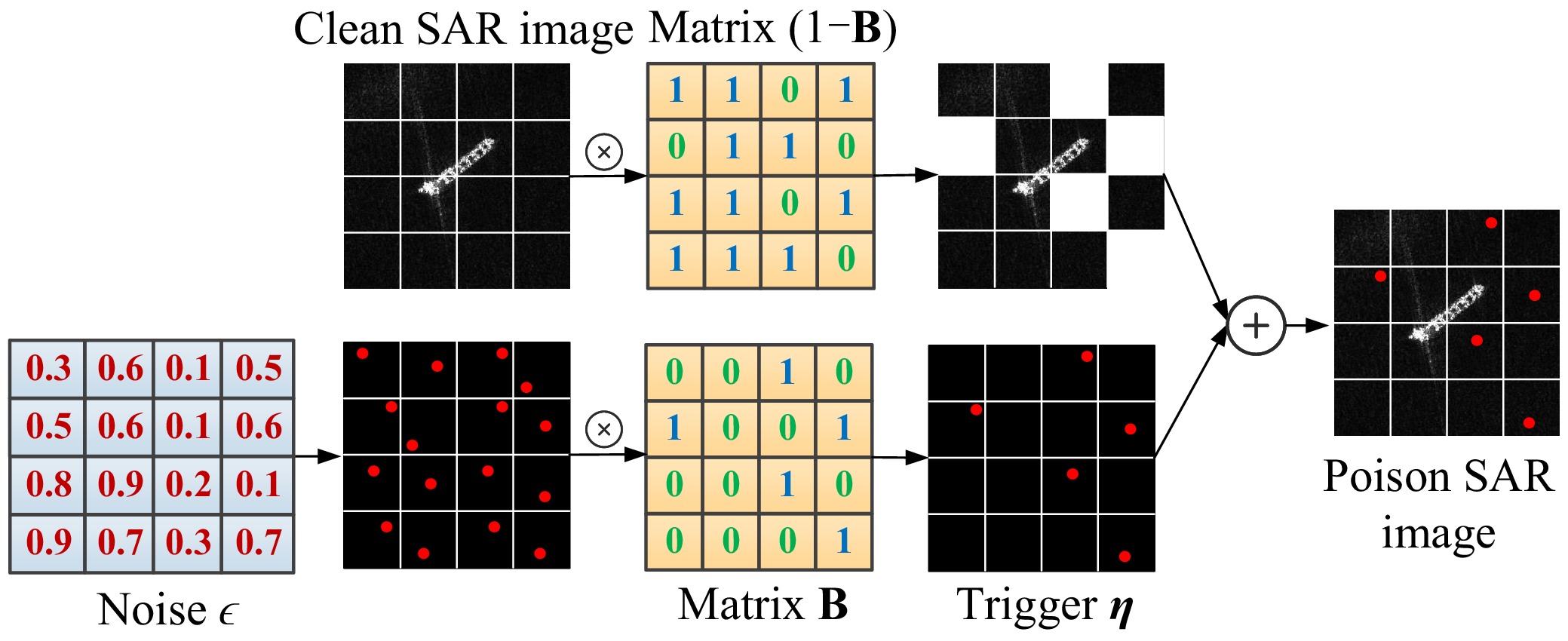
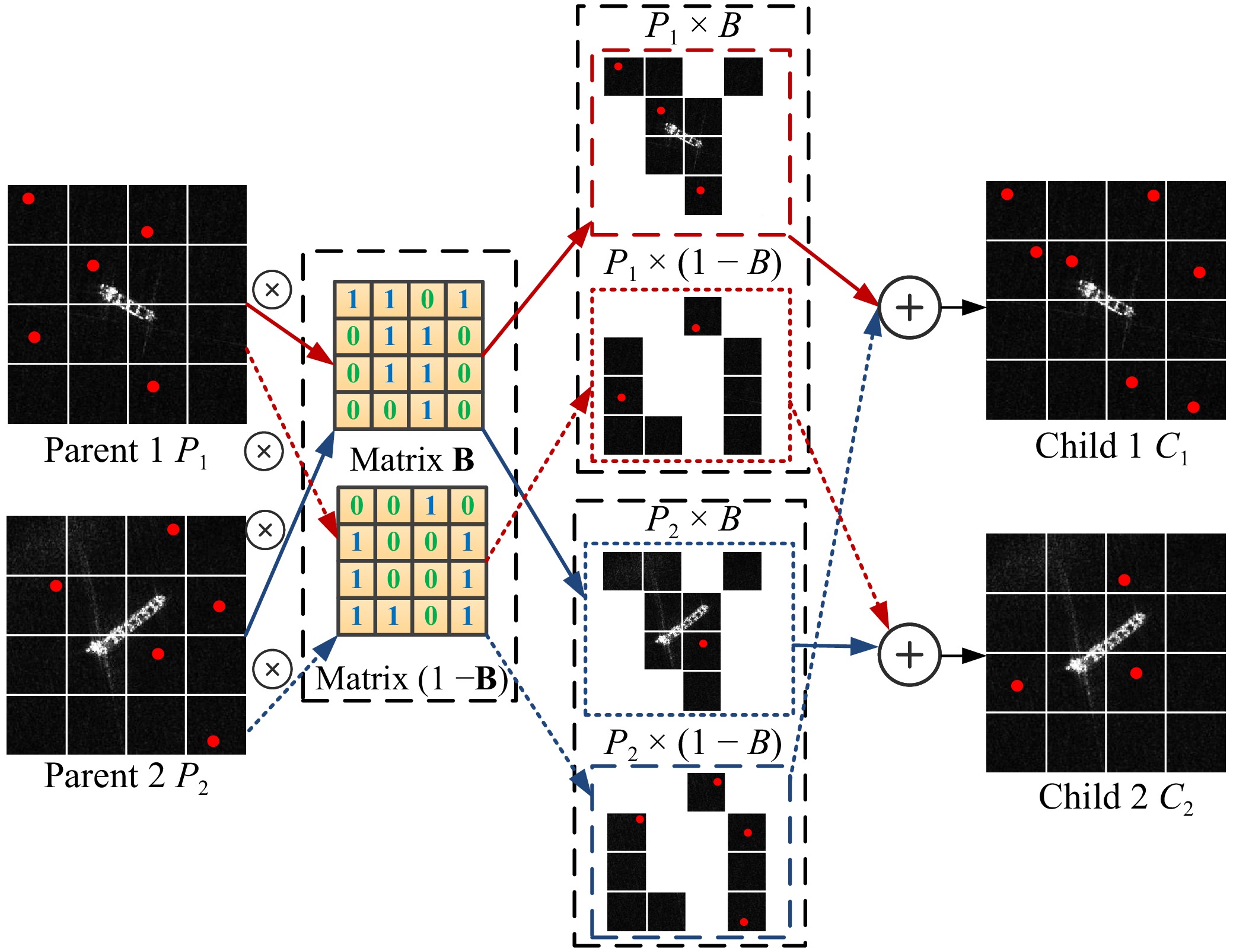
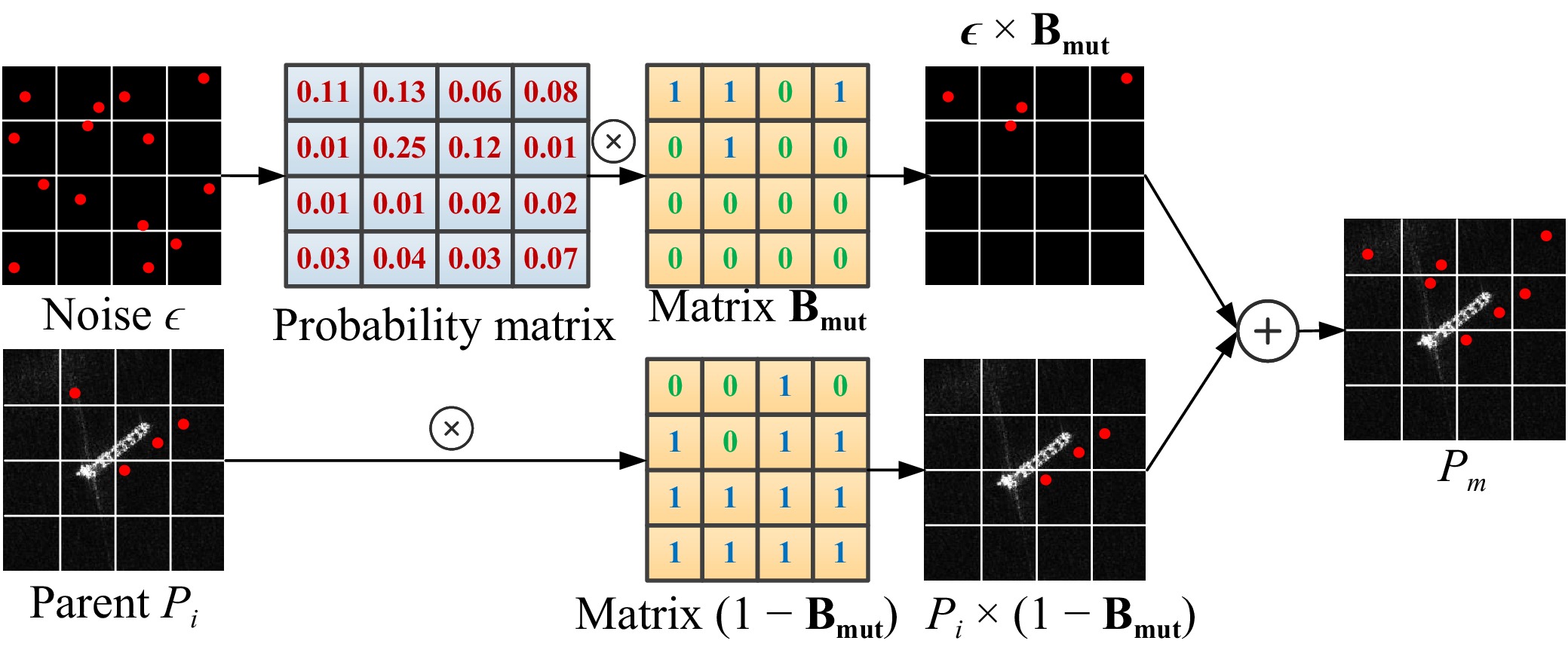
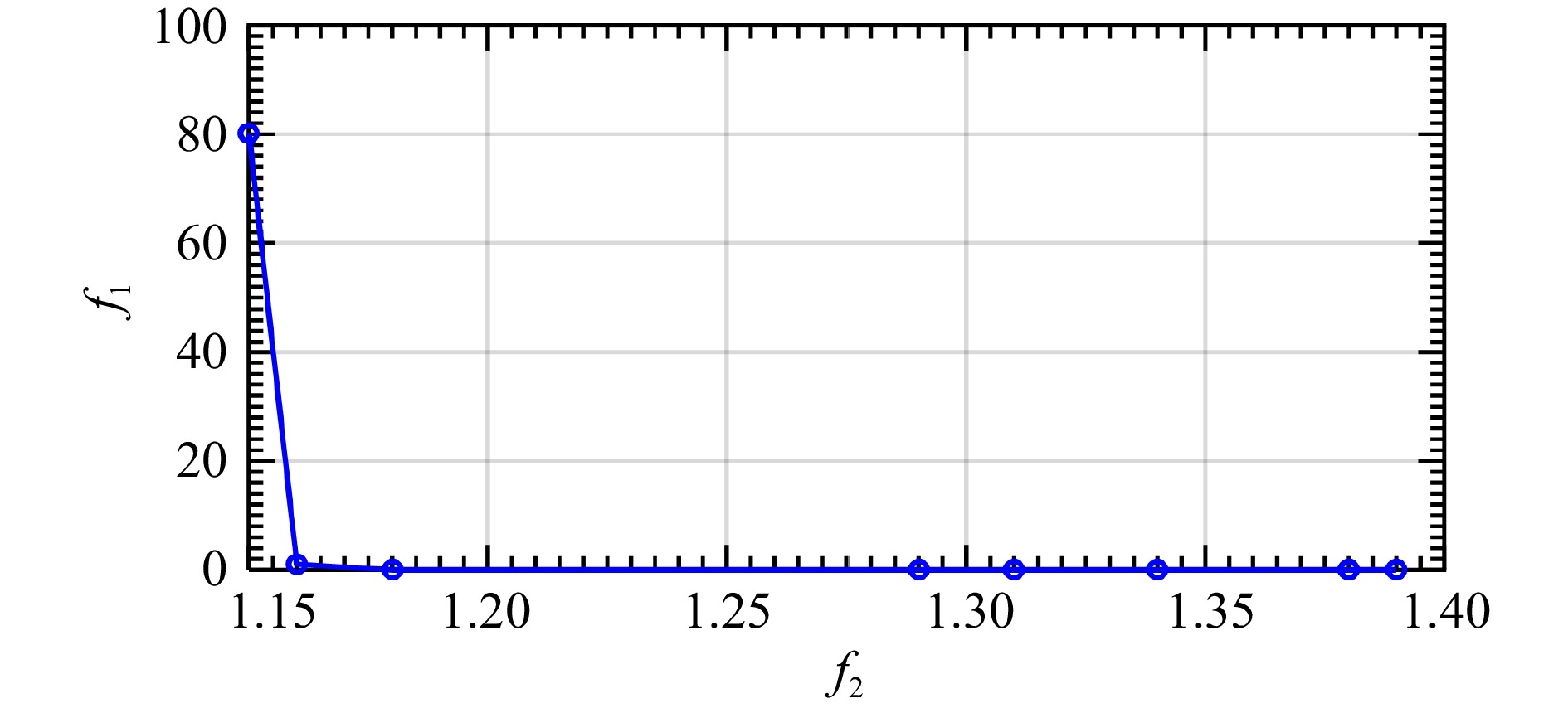
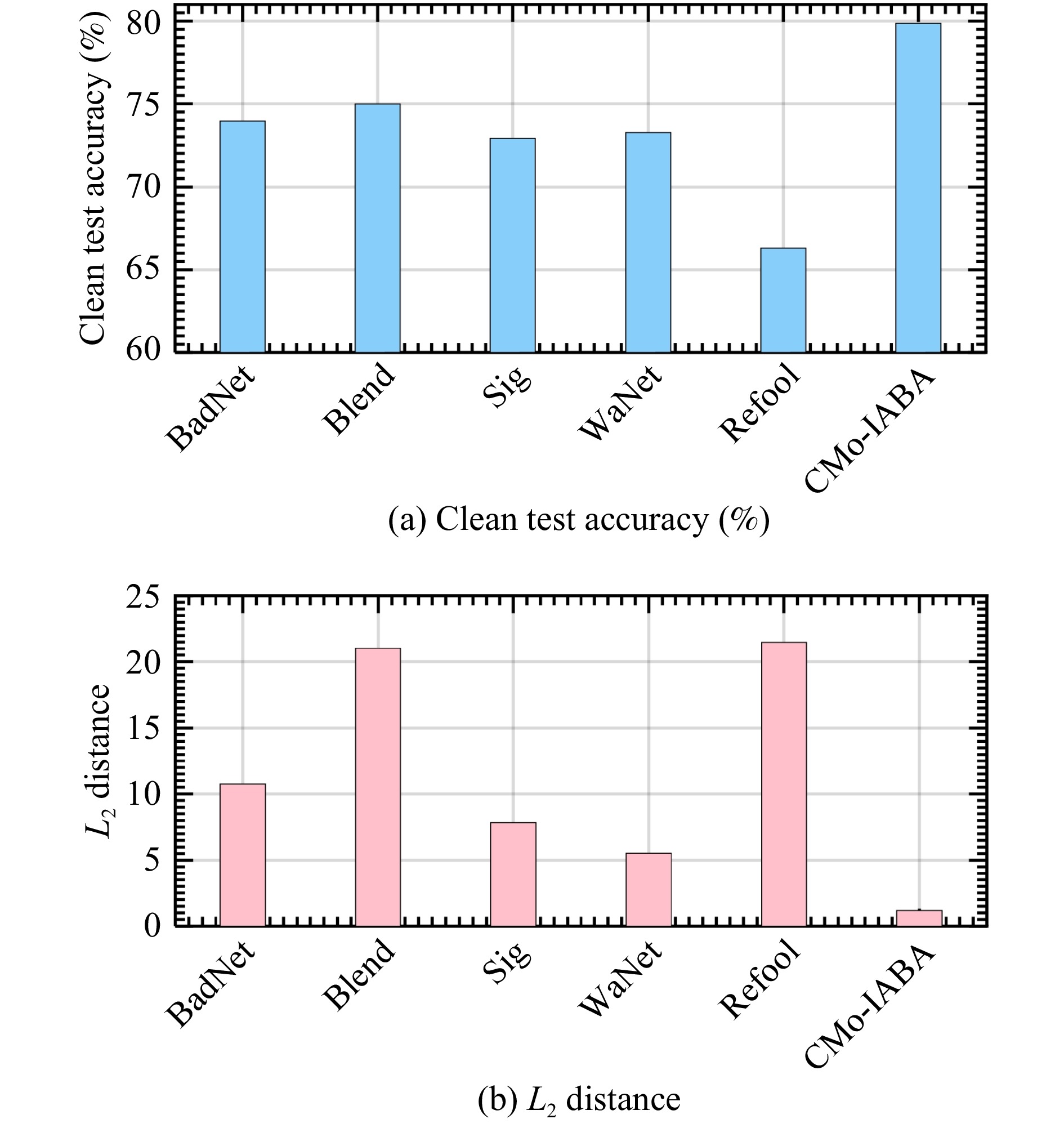
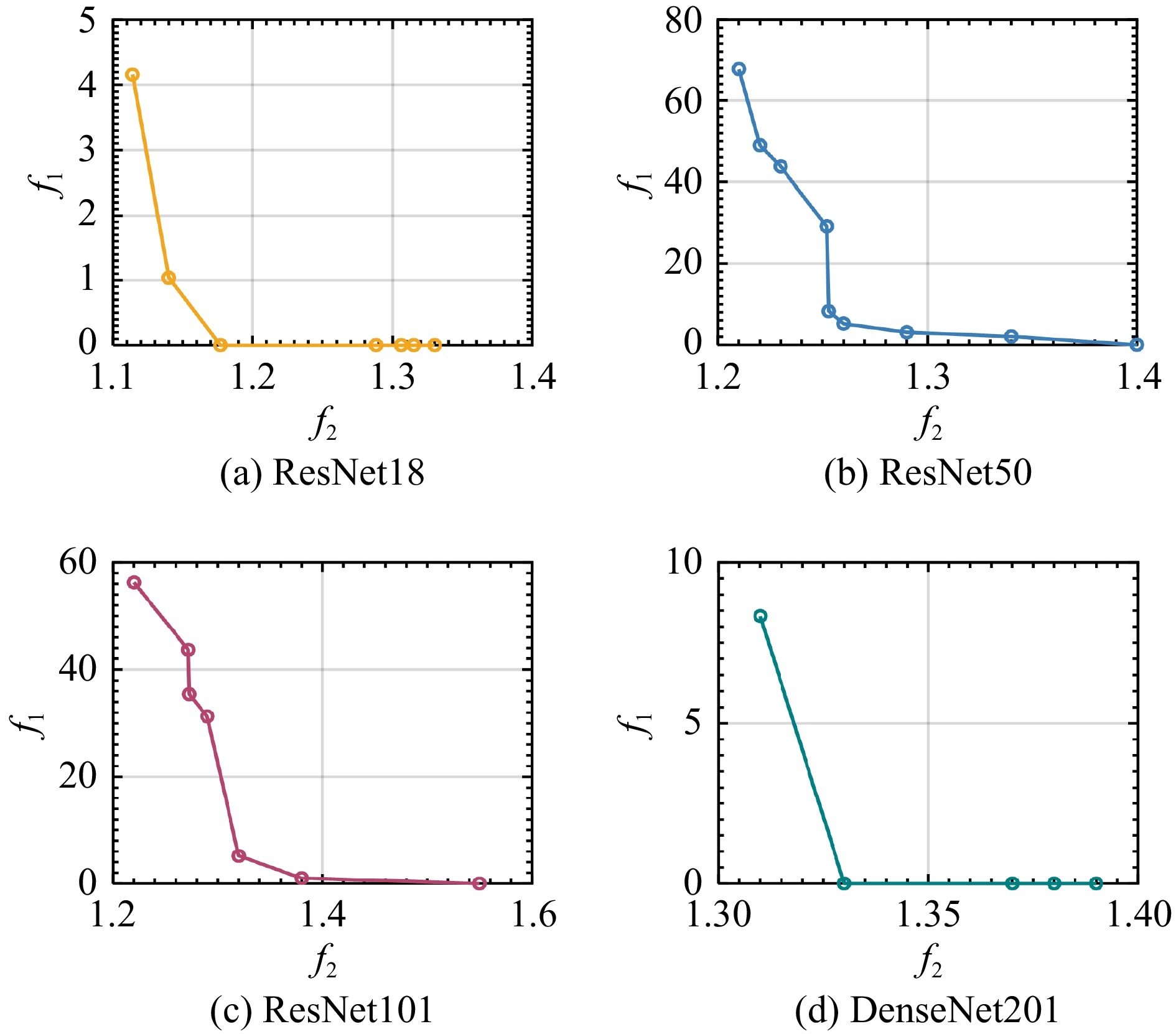
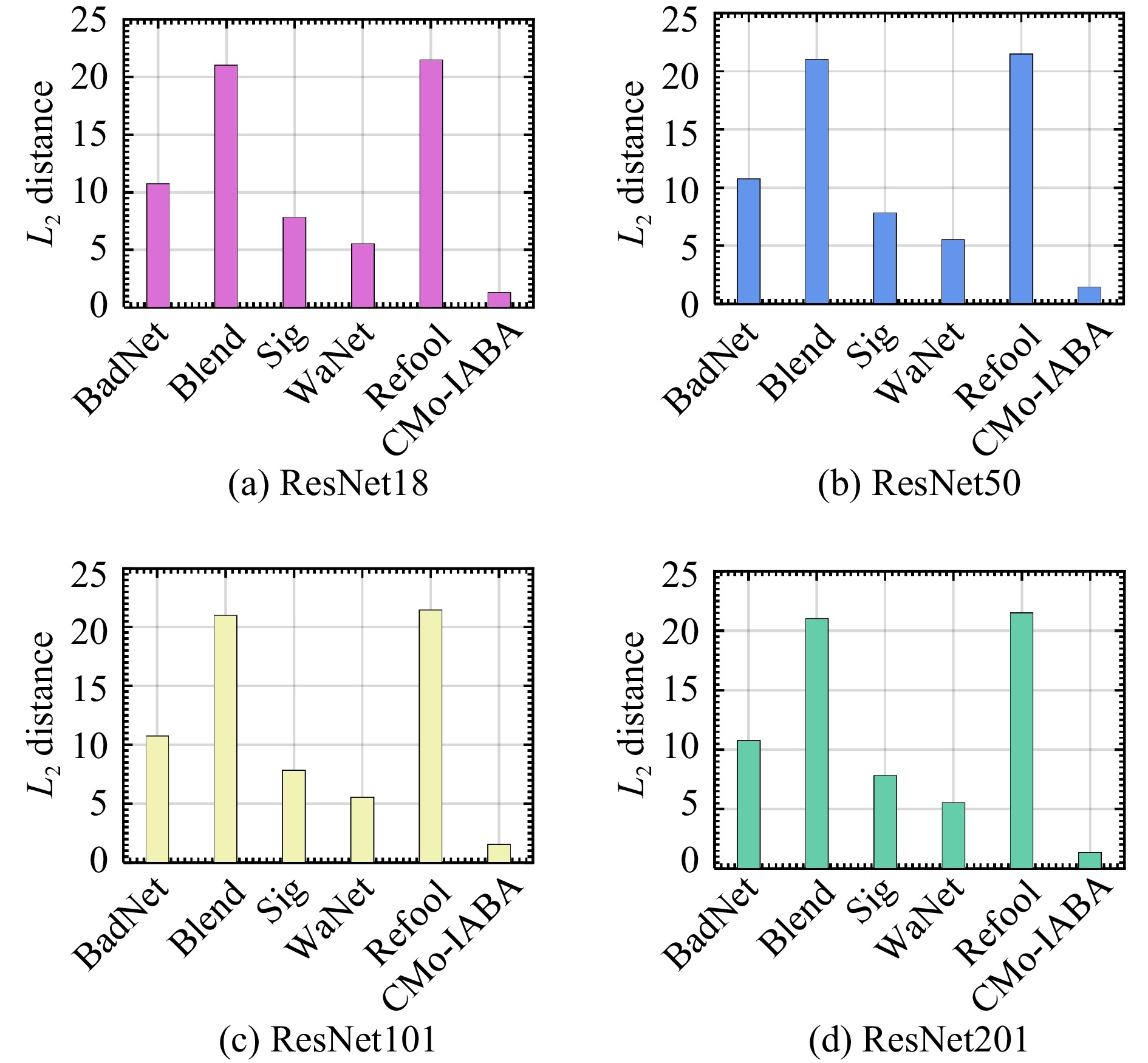
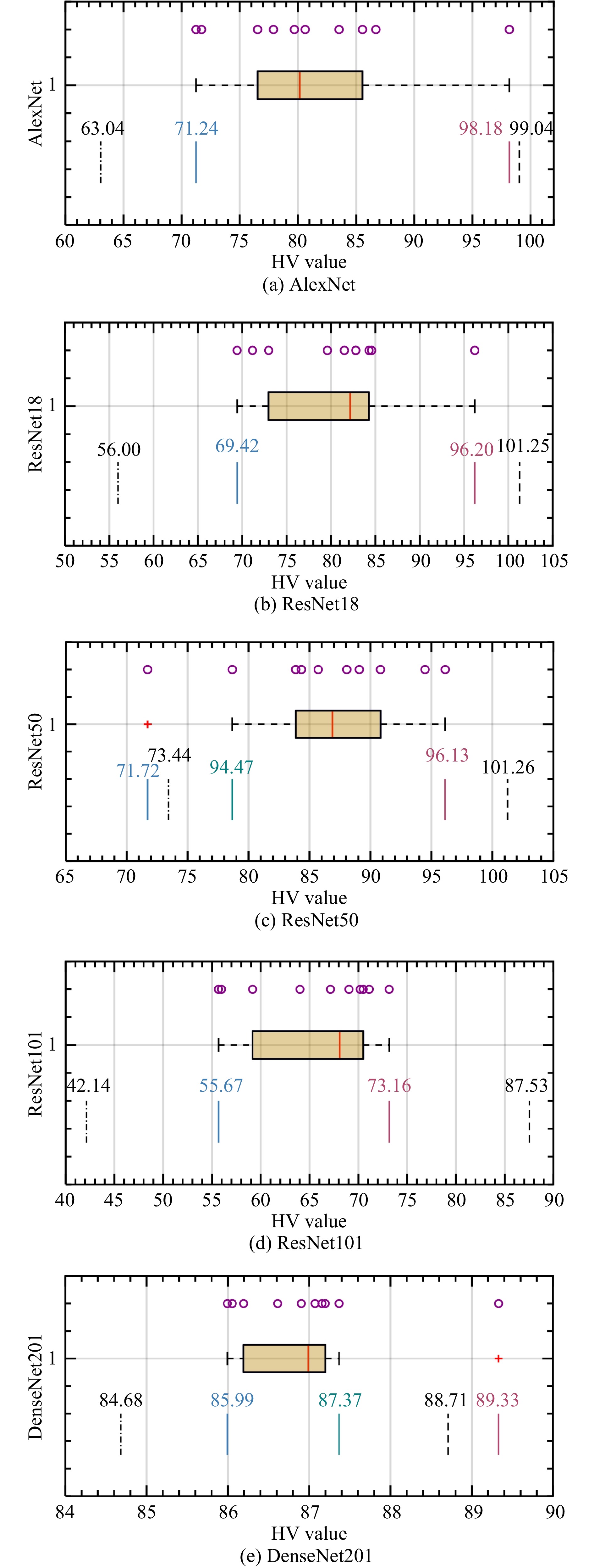
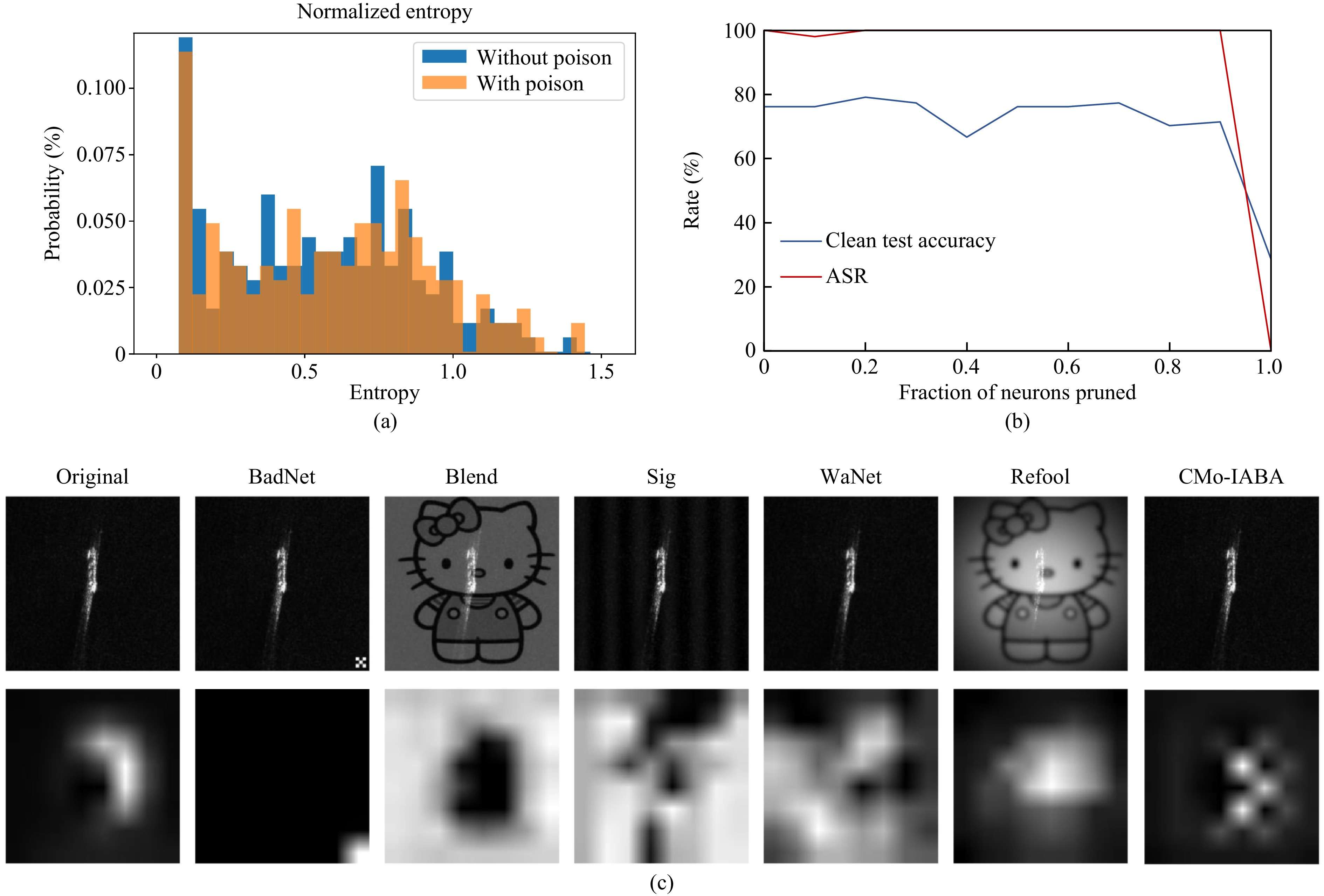
Deep neural networks (DNNs) have been widely applied in the field of synthetic aperture radar (SAR) image while they are facing more and more serious threats from a variety of malicious attacks. As one of the malicious attacks with strong destructiveness and stealth, backdoor attacks have severely affected DNNs, but there are no related research studies concerning the backdoor attacks against the DNNs-based SAR image classification models. In this work, we make the first attempt to automatically design a constrained multi-objective invisible and adaptive backdoor attack termed as CMo-IABA for DNNs-based SAR image classification. In the CMo-IABA, we firstly generate an initial trigger-based backdoor attack randomly by a random combination of pixels with random noise conforming to the Gaussian distribution. Then, we design multi-objective functions by considering the trade-off between maximizing the attack success rate and minimizing $ L_2 $ distance-based invisibility. The classification error between the backdoor DNN and the clean model is considered as the constraint to maintain the original performance of the model. To solve the optimization problem, a discrete non-dominated sorting genetic algorithm-II is introduced as the search engine with the developed crossover operation and mutation operation. The superiority of the proposed CMo-IABA to five state-of-the-art backdoor attacks on six different types of DNNs-based SAR image classification models has been demonstrated by the experimental results on Fudan University SAR (FUSAR)-ship and moving and stationary target acquisition and recognition (MSTAR) datasets in terms of attack success rate and $ L_2 $ distance-based invisibility.
Optimal Sensor Selection of Linear Quadratic Regulation With Unknown Sensor Noise Covariances
Jinna Li, Xinru Wang, Xiangyu Meng, Frank L. Lewis
2026, 13(7): 1747-1754. doi: 10.1109/JAS.2025.125915
Abstract(17) HTML (10) PDF(0)
Abstract:
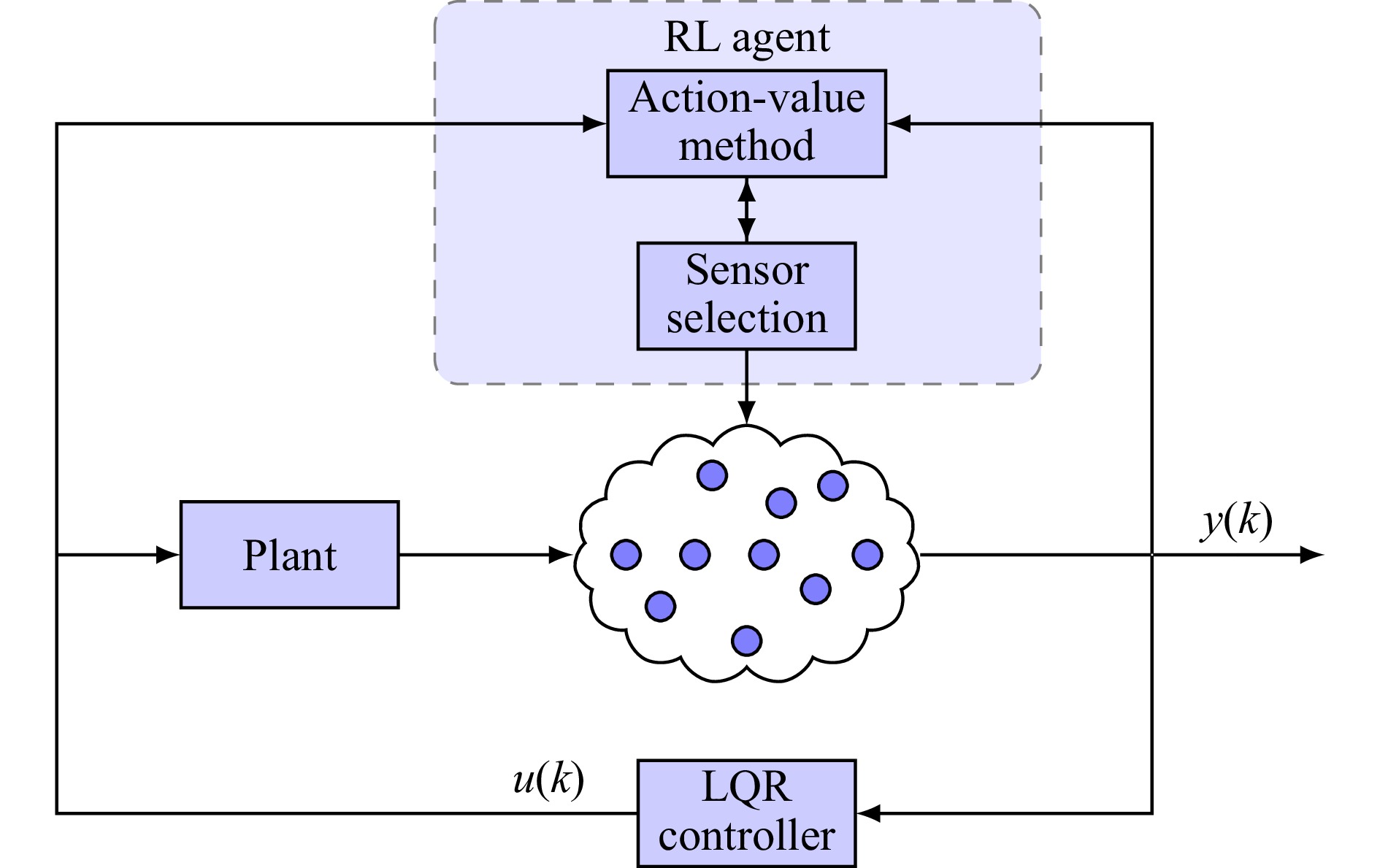
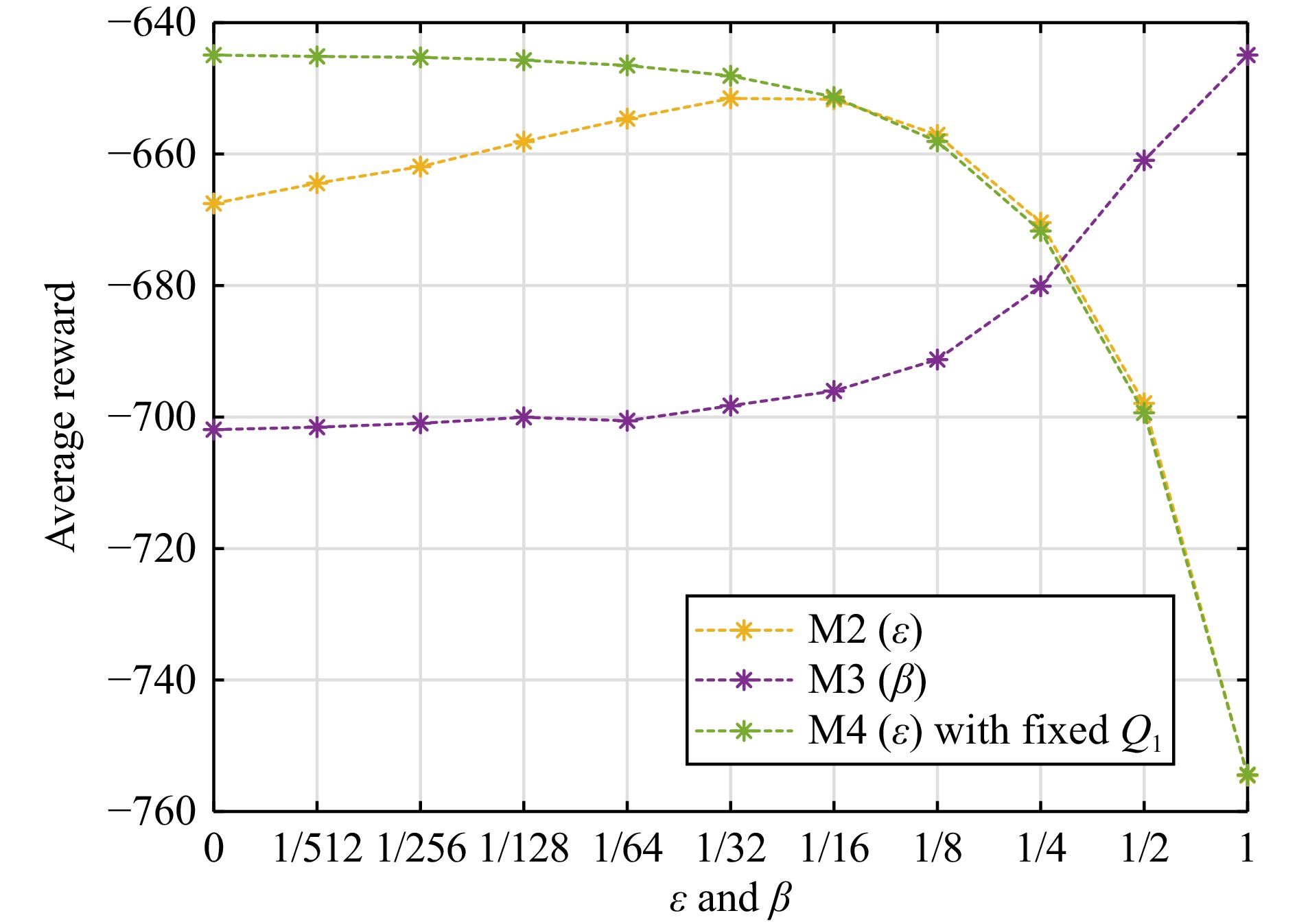
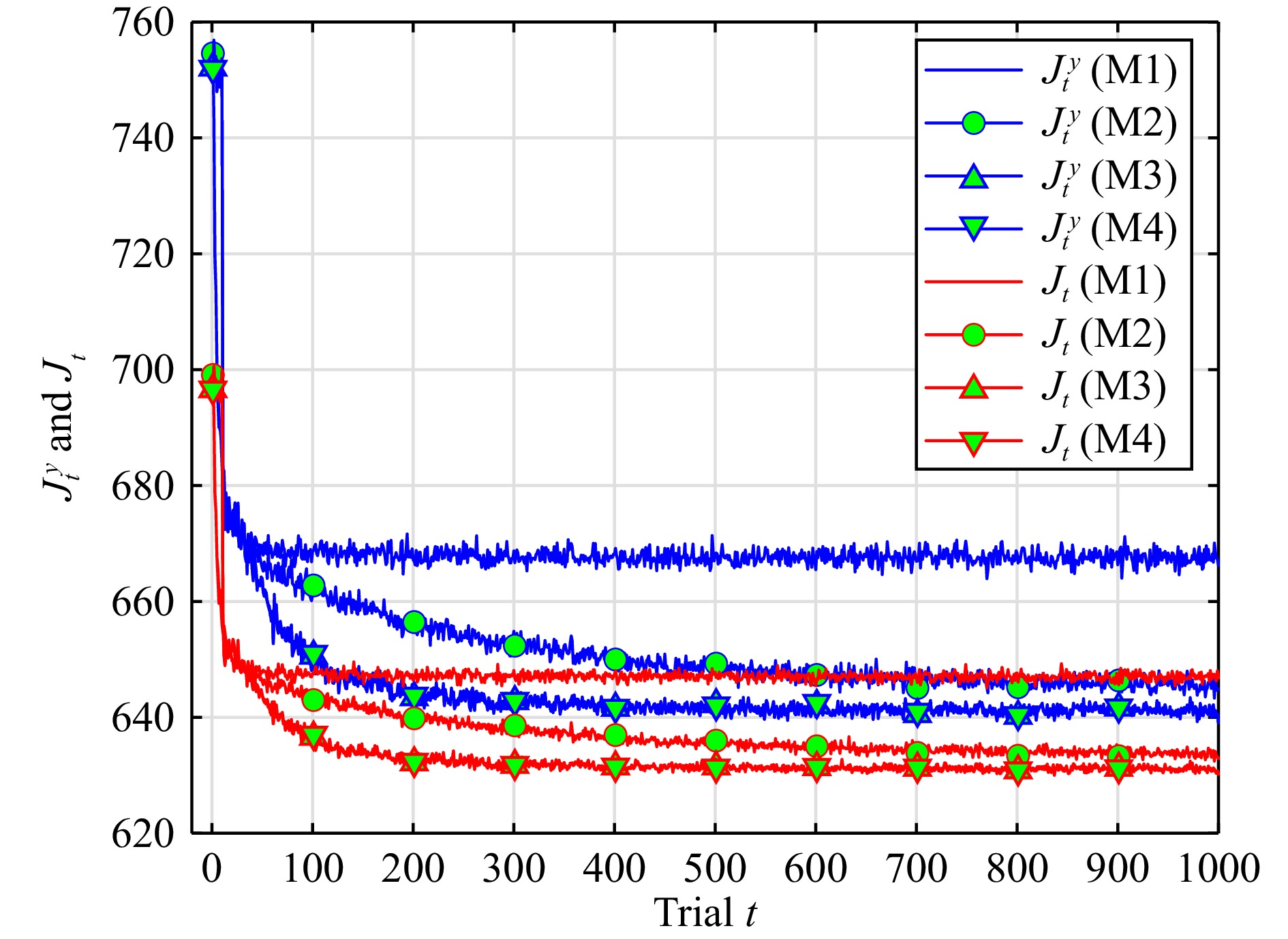
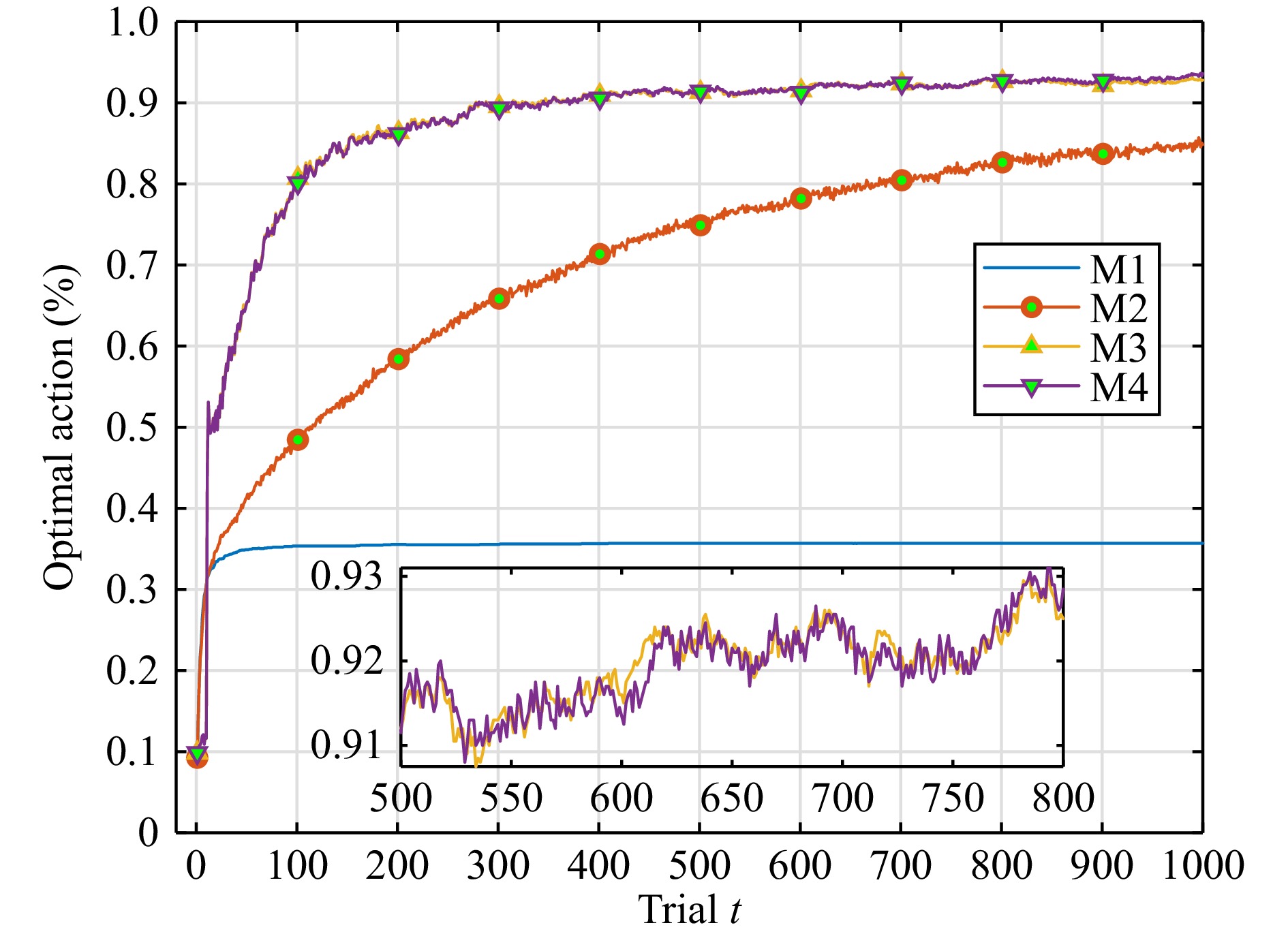
This paper addresses an optimal sensor selection problem under the framework of linear quadratic regulation. Unlike prior work on optimal sensor scheduling, we assume that the sensor noise covariance matrices are comparable but unknown. Then, the optimal sensor selection problem is formulated as finding an optimal policy of selecting a sensor from a set of sensors to minimize the expected quadratic performance of a linear system given the number of trials. An action value method from reinforcement learning is adopted for estimating the values of selections and making selection decisions based on the estimates. Several ways of balancing exploration and exploitation are presented and compared for efficacy. Numerical simulations are conducted to demonstrate the effectiveness of the proposed algorithms.
LETTERS
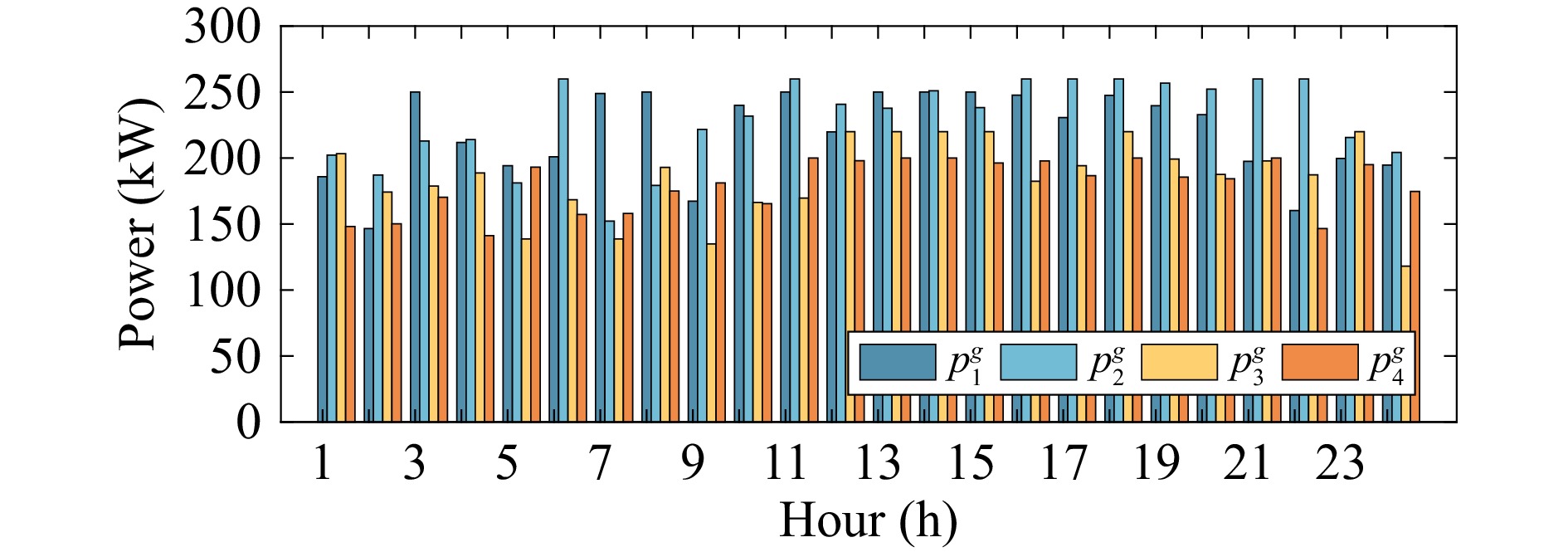
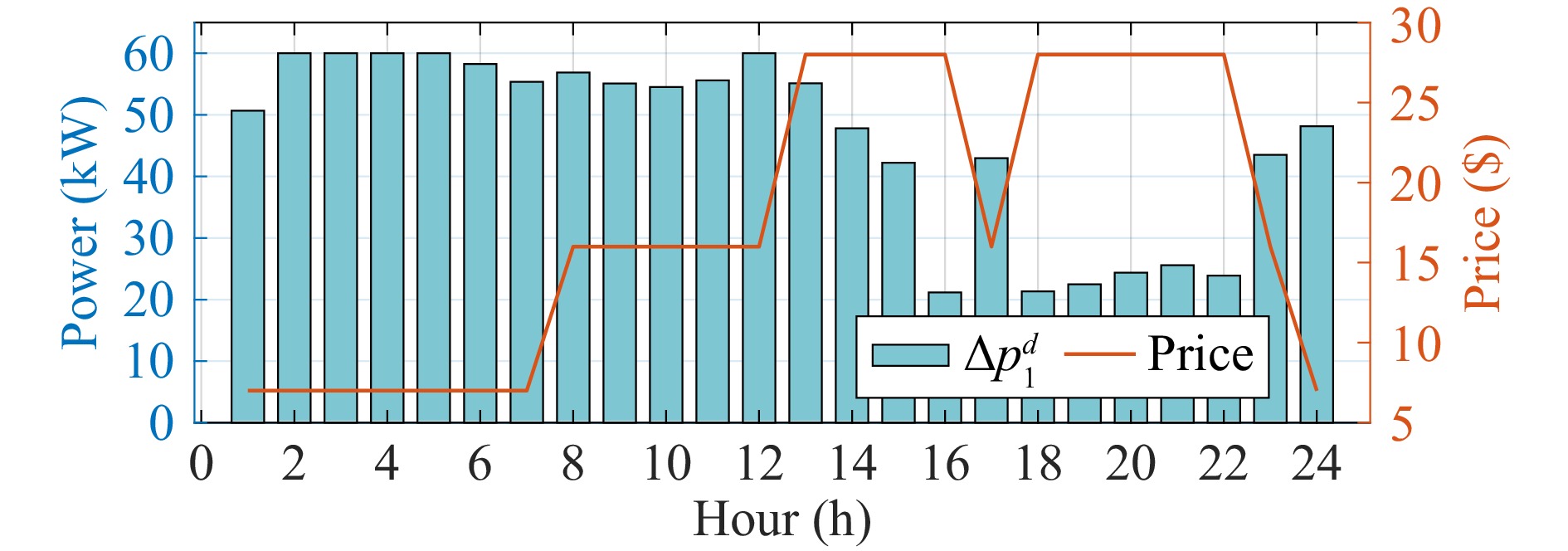
Fully Distributed Reinforcement Learning for Efficient Networked Microgrids Resource Management: Source-Load-Storage Coordination
Xiaowen Wang, Xinquan Shao, Shuai Liu
2026, 13(7): 1755-1757. doi: 10.1109/JAS.2025.125636
Abstract(14) HTML (8) PDF(0)
Abstract:
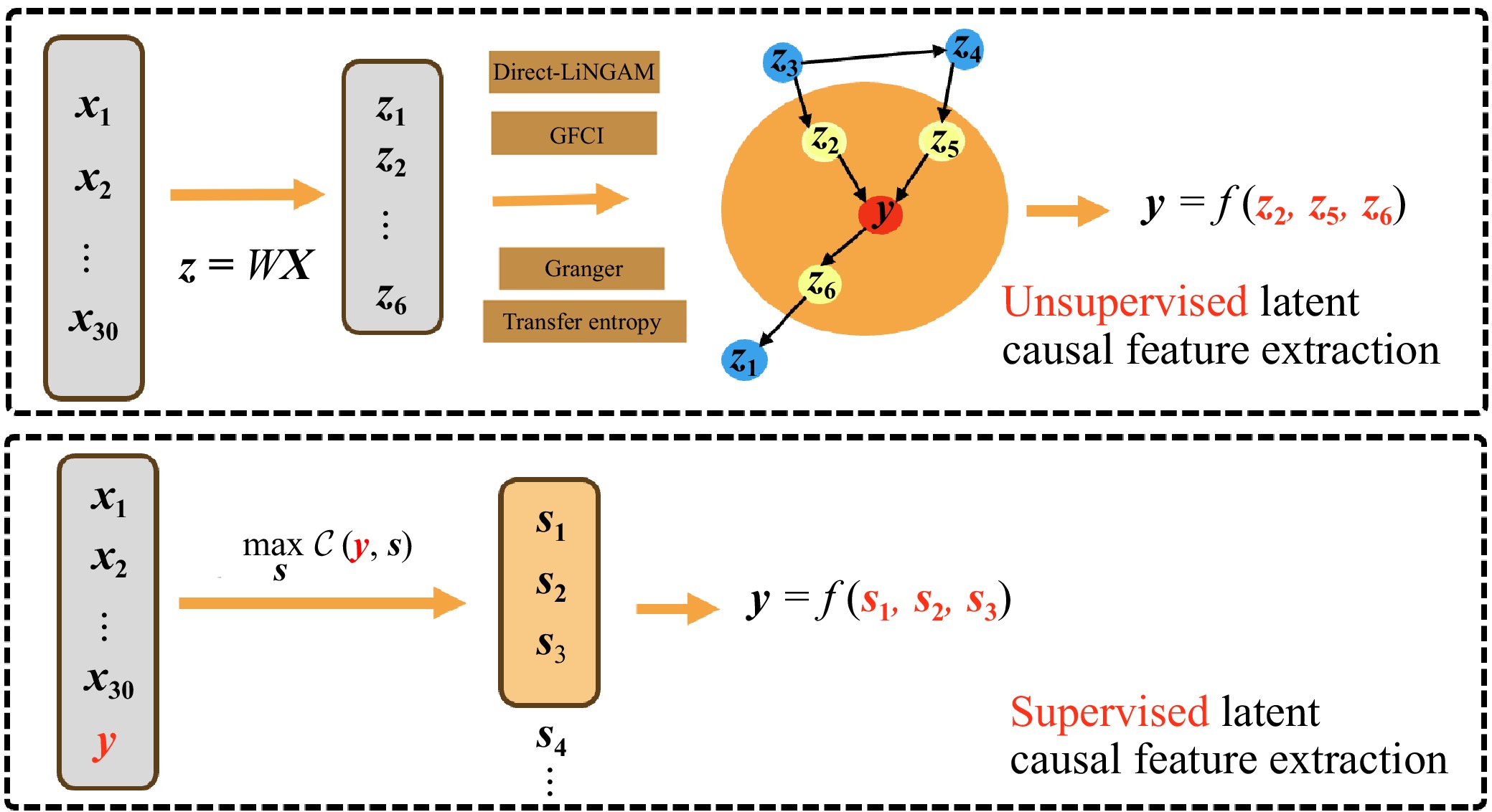
Causal Representation Learning for Trustworthy Industrial Process Modeling
Liang Cao, Fan Yang, Youqing Wang
2026, 13(7): 1758-1760. doi: 10.1109/JAS.2025.125678
Abstract(16) HTML (7) PDF(0)
Abstract:
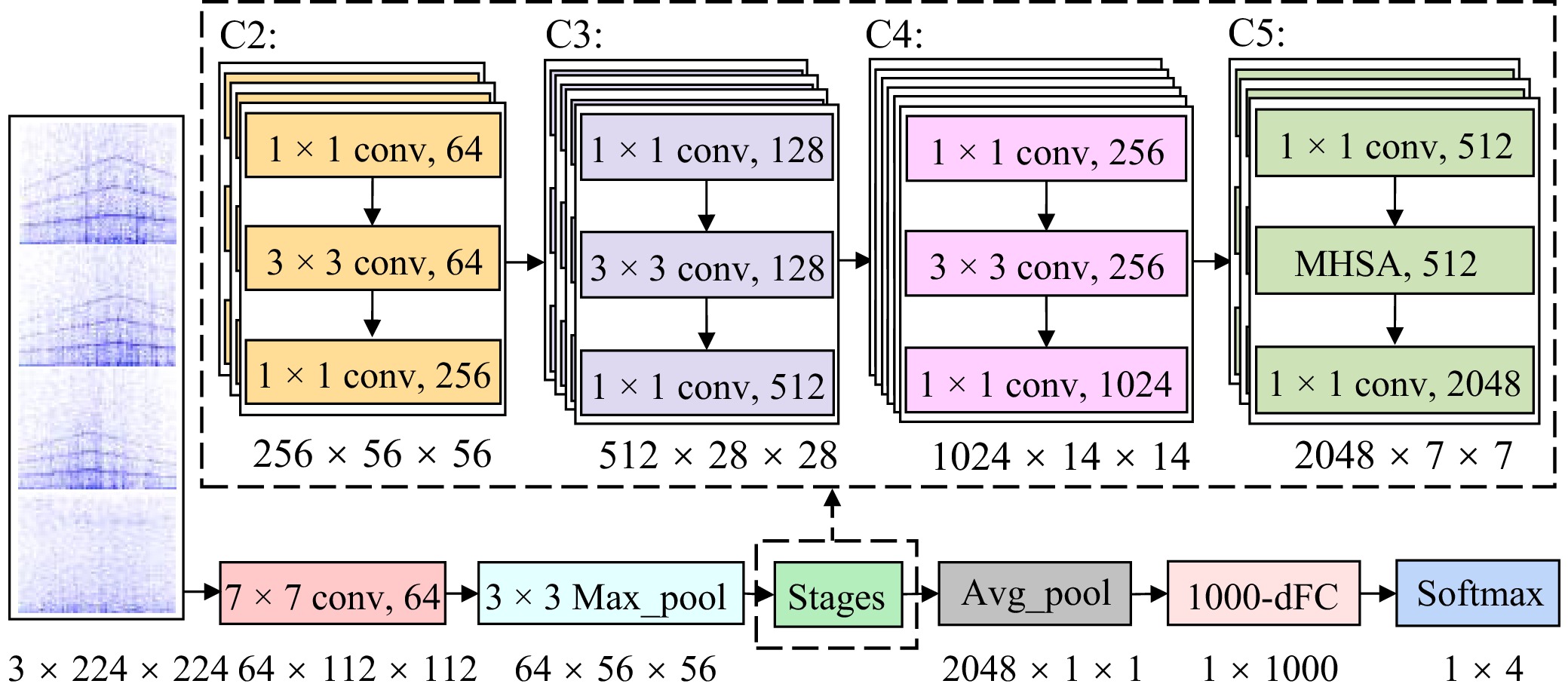
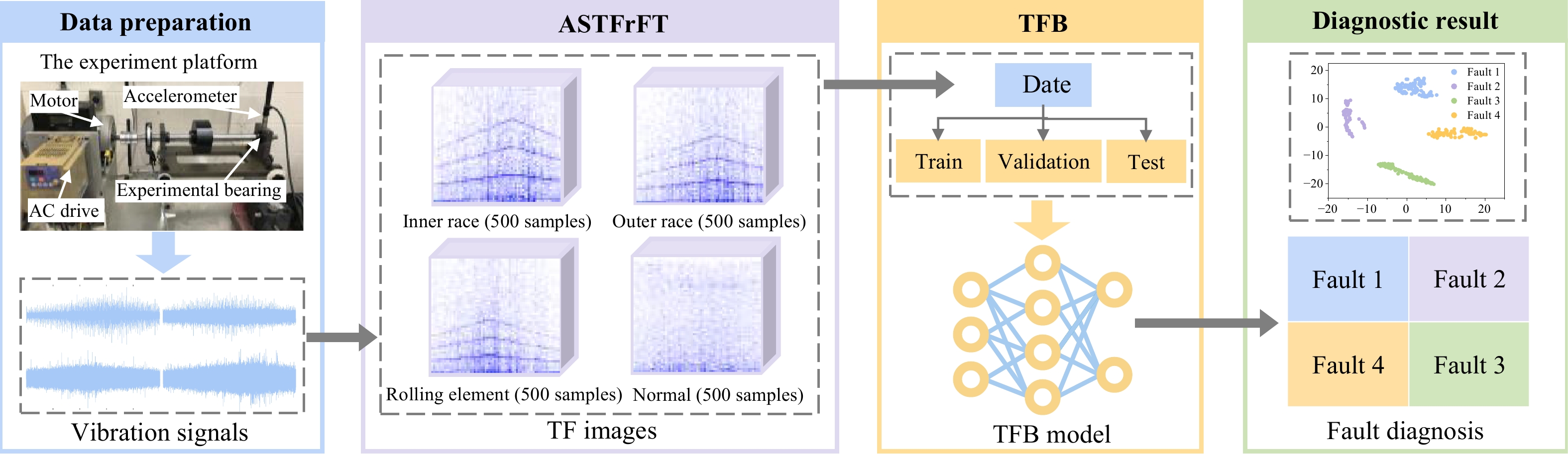
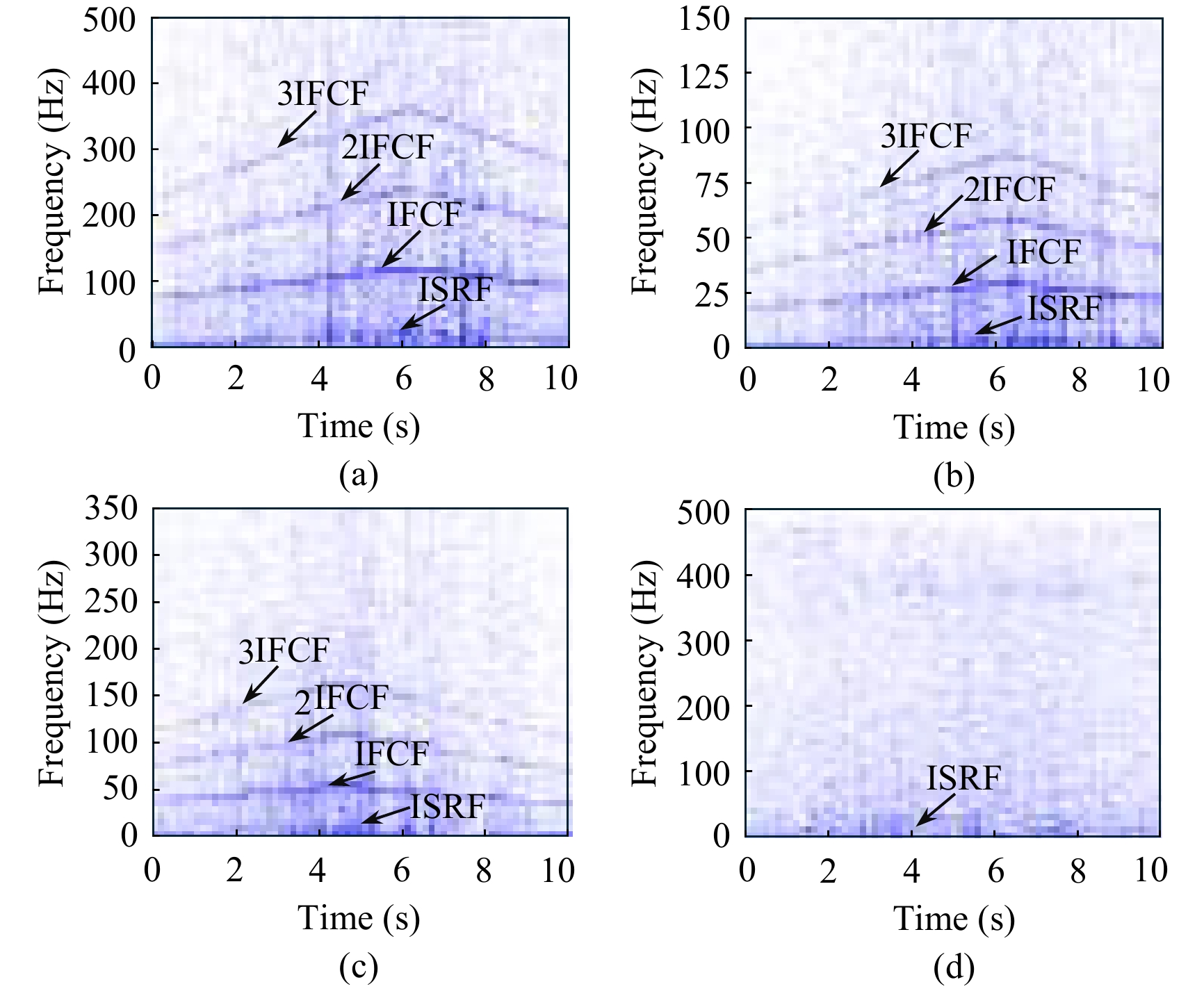
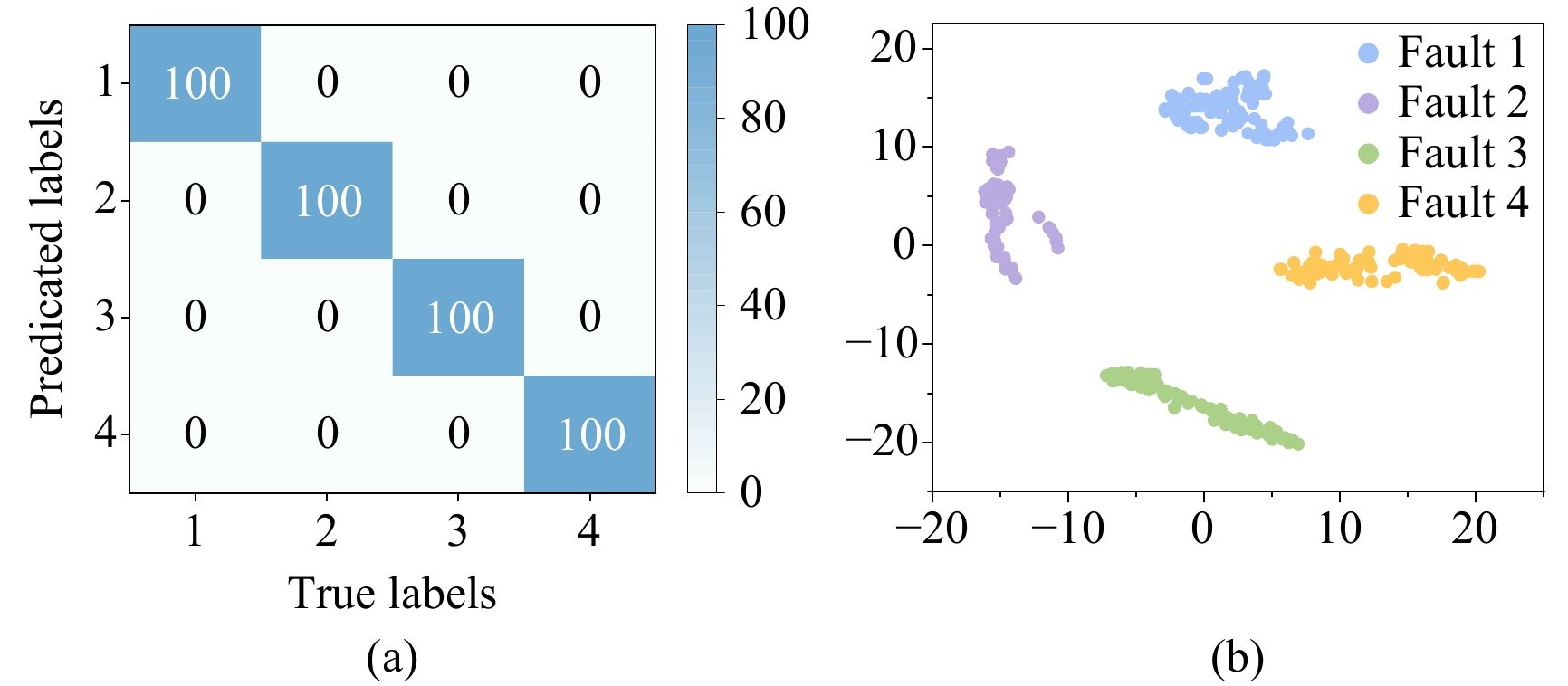
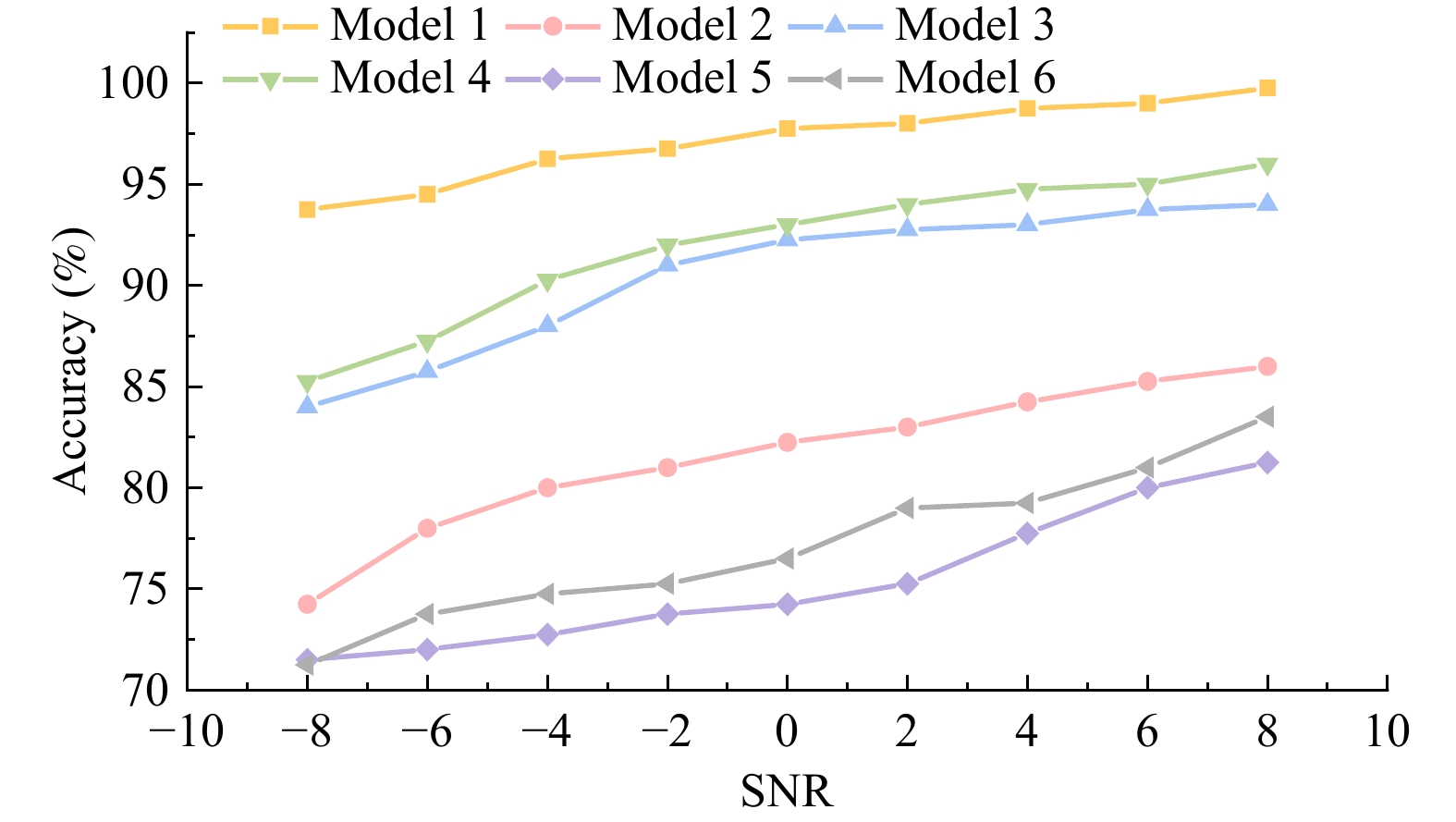
Intelligent Fault Diagnosis of Rolling Bearing With Variable Speed Based on ASTFrFT and Time-Frequency BoTNet Model
Jie Ma, Jun Wei, Xinyu Wang
2026, 13(7): 1761-1763. doi: 10.1109/JAS.2025.125264
Abstract(12) HTML (9) PDF(0)
Abstract:
Security Control of Nonlinear Systems Subject to Deception Attacks: A Reinforcement Learning Approach
Lifeng Ma, Yongyi Dai, Chen Gao
2026, 13(7): 1764-1766. doi: 10.1109/JAS.2025.125513
Abstract(15) HTML (9) PDF(0)
Abstract:
Fixed-Time Fault-Tolerant Control for Small UUV With Dual-Layer Evolving Performance Boundary Under Full-State Constraints
Hongtao Liang, Huiping Li, Junzhi Yu
2026, 13(7): 1767-1769. doi: 10.1109/JAS.2025.125516
Abstract(17) HTML (10) PDF(2)
Abstract:
Random Search Deep Neural Networks Driven Koopman Subspace Modeling of Nonlinear Dynamics
Zixiang Yuan, Jie Ding, Dezhi Shen, Min Xiao
2026, 13(7): 1770-1772. doi: 10.1109/JAS.2025.125612
Abstract(19) HTML (9) PDF(1)
Abstract:
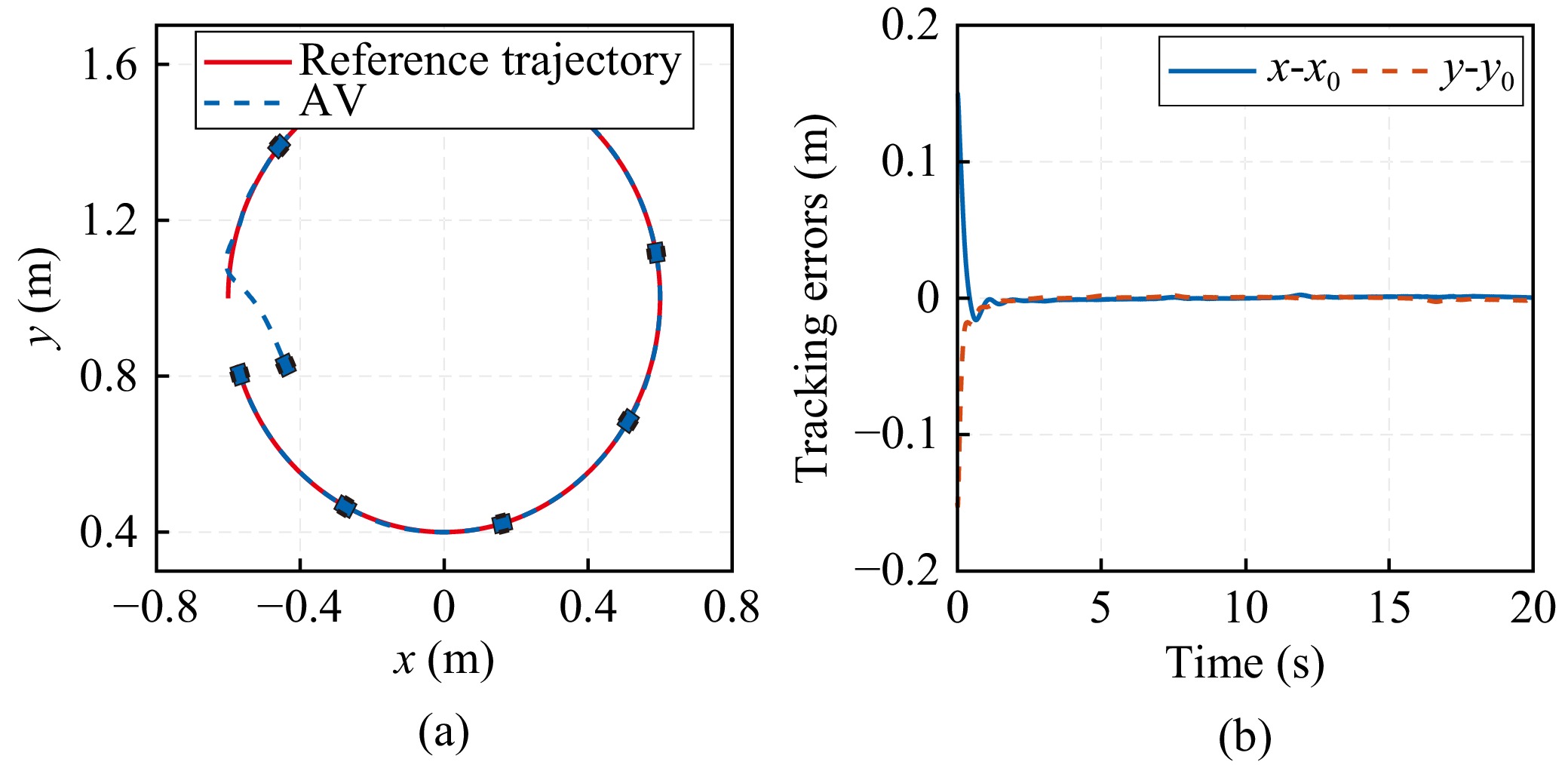
Robust Tracking Control of Automated Vehicles With Model Uncertainties: An Actor-Critic Learning Strategy
Zhao-Qing Liu, Hao Xie, Lei Ding, Liping Han
2026, 13(7): 1773-1775. doi: 10.1109/JAS.2025.125648
Abstract(16) HTML (9) PDF(1)
Abstract:
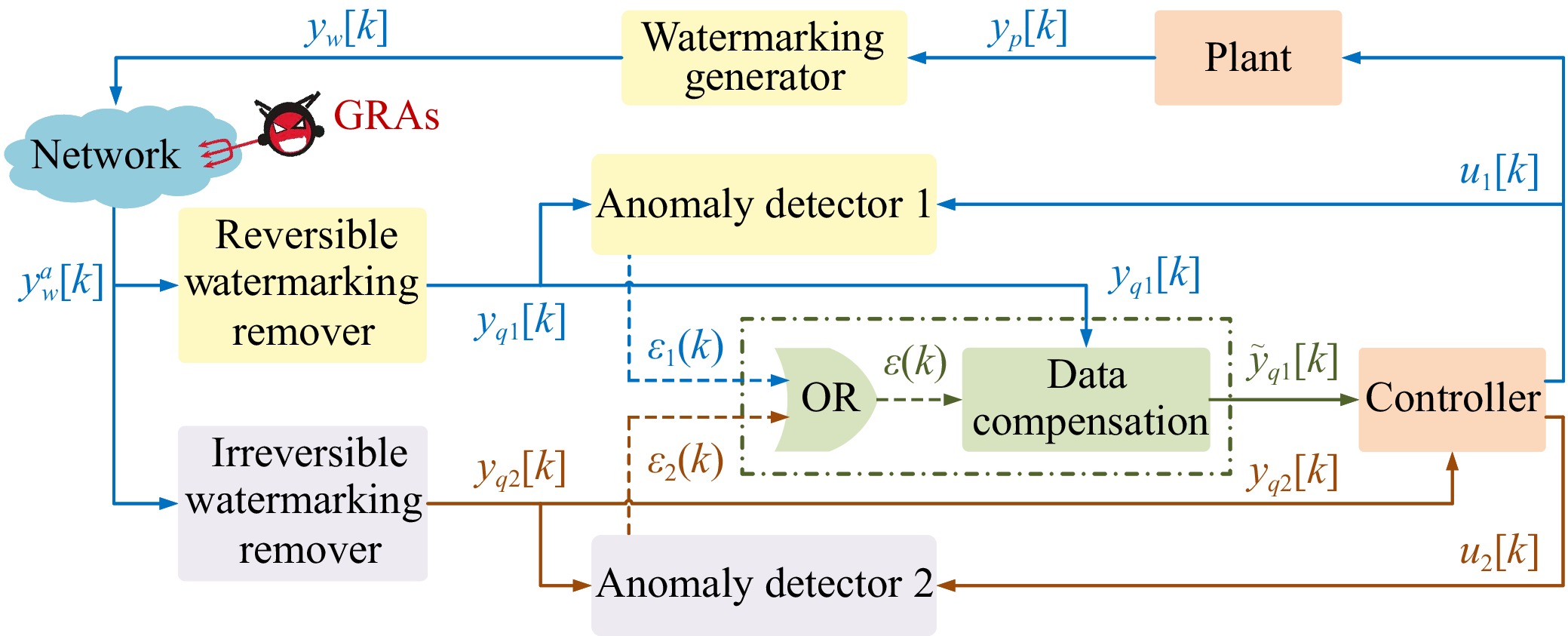
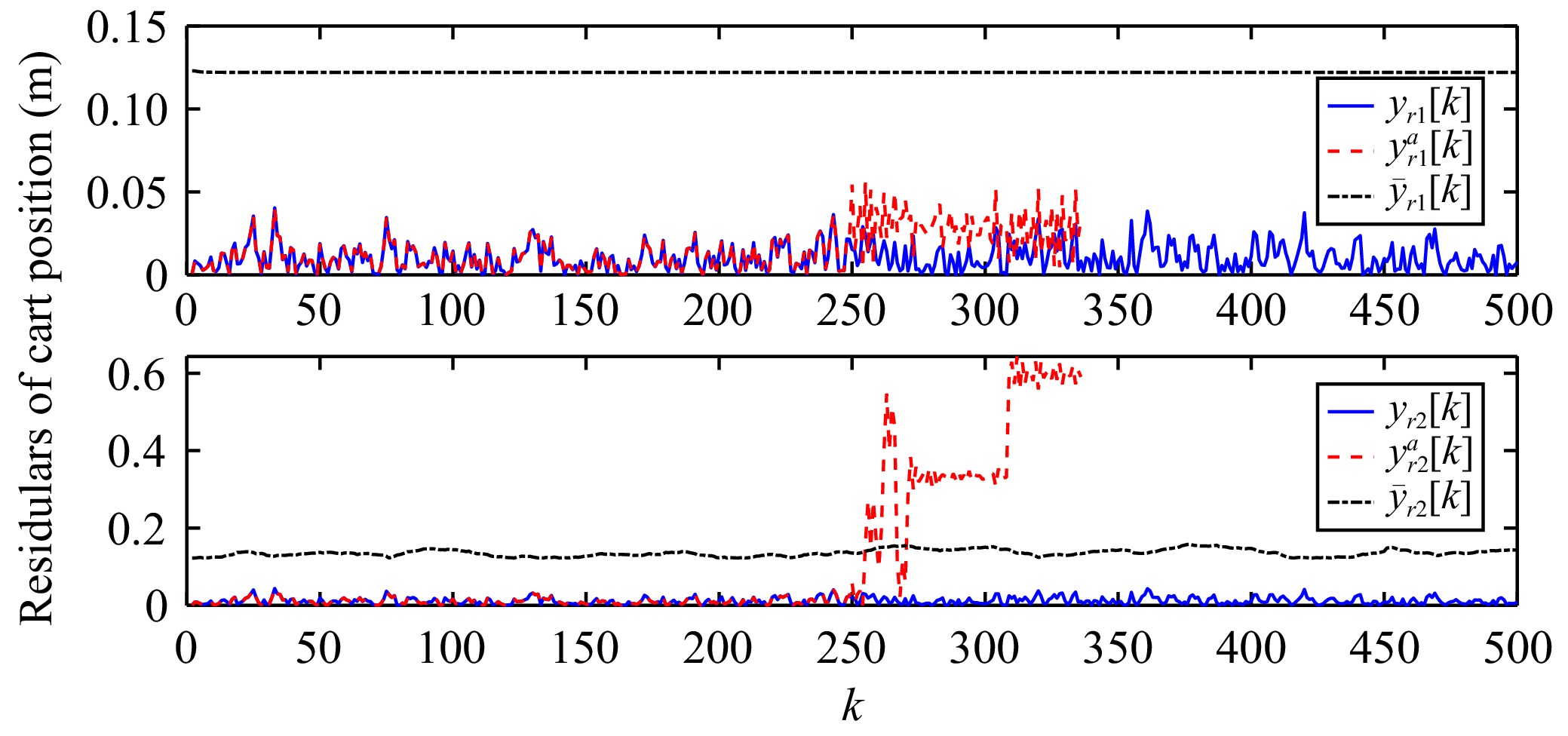
Secure Control of Networked Control Systems Based on Multiplicative Watermarking-Based Detection and Data Compensation
Lang Wu, Dajun Du, Yang Xiao, Qing Sun, Minrui Fei
2026, 13(7): 1776-1778. doi: 10.1109/JAS.2025.125753
Abstract(17) HTML (9) PDF(5)
Abstract: